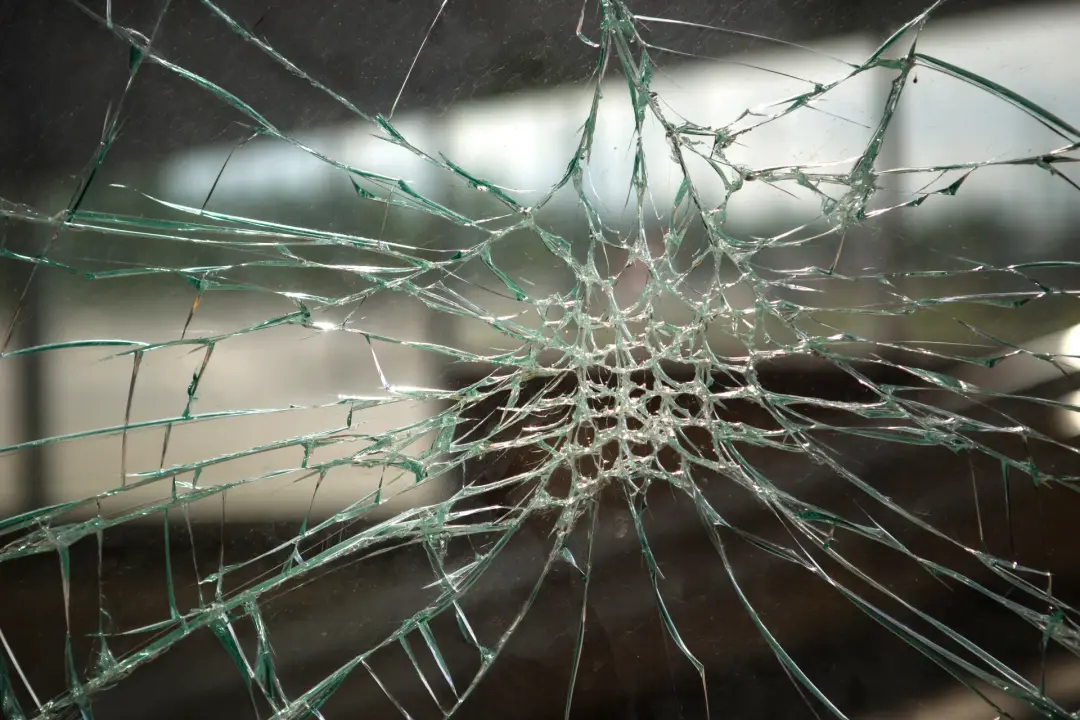
What Causes Double-Glazed Windows to Crack?
Impact is the most obvious cause. A stone thrown by a mower, a football, falling debris or an attempted break-in can chip or fracture either pane. The damage often begins at a clear point of contact and spreads outwards in radiating lines. Even a small edge chip matters because the edges of glass carry high stresses and sit close to the unit’s seal.
Temperature differences can also create thermal stress. One part of a pane may heat in direct sunlight while another remains shaded by a curtain, blind, deep reveal or sticker. If the temperature difference becomes large enough, expansion is uneven and a crack can start at the edge. Dark objects placed close to the glass can intensify this pattern, especially on strongly sunlit elevations.
The glass may have been weakened before the crack became visible. Poor handling, tight glazing blocks, an oversized unit or debris trapped against an edge can create local pressure. Movement in a distorted sash or settling frame can then load the pane every time the window opens, closes or responds to wind. Manufacturing inclusions are possible, particularly in toughened glass, but they are less common than impact or installation stress.
Building movement and severe weather complete the picture. A shifting opening, warped frame, slamming sash or rapid pressure change can expose an existing weakness. Identifying the cause is important because simply fitting new glass will not solve a distorted frame, blocked drainage route or incorrect support. A glazier should therefore inspect the crack pattern, edges, beads, packers, sash alignment and surrounding structure before recommending replacement.
How to Assess the Type and Severity of the Crack
Begin without pressing, tapping or trying to flex the glass. Keep people and pets away, photograph the pane from a safe position and note whether the crack is on the room side, within the cavity or on the external face. Reflections can be misleading, so view it from several angles. Do not run a finger over the surface; fine shards and sharp edges may be difficult to see.
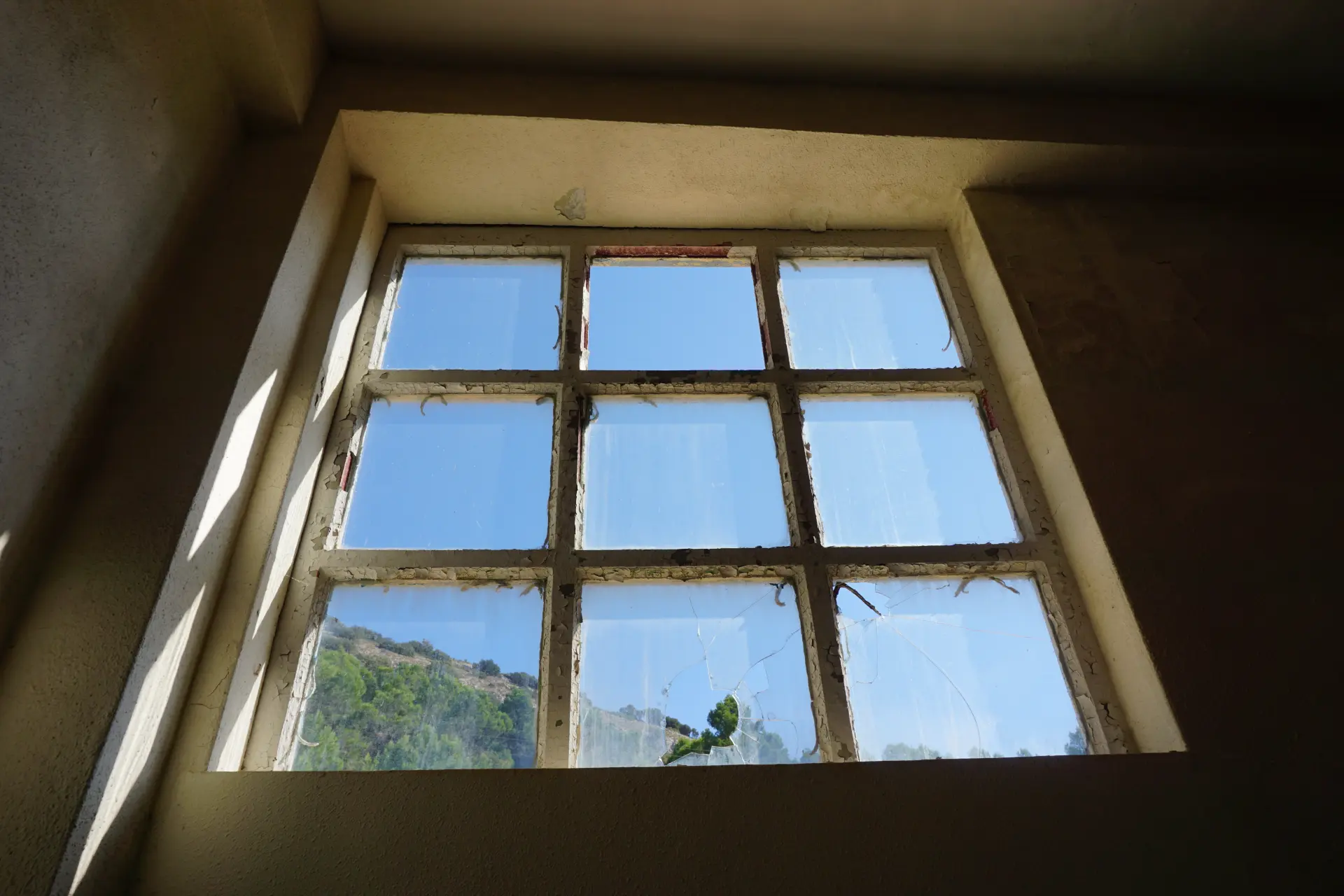
The pattern provides useful clues, although it is not a substitute for professional inspection. A starburst or crater suggests impact. A long line beginning at the edge with little visible contact damage may indicate thermal or mechanical stress. Multiple branching lines, loose fragments, audible movement or a pane bowing away from the frame point to a more urgent failure than a short, stable hairline crack.
Location changes the risk. Damage near a corner or edge can threaten the sealed perimeter and may spread as the sash moves. Cracks in doors, beside doors or close to floor level demand particular caution because accidental human impact is more likely. Overhead, high-level or difficult-to-access glazing also needs prompt attention, since falling fragments could affect a wider area and temporary protection may require specialist equipment.
Check the surrounding symptoms as well. Moisture or haze between panes suggests that the seal has opened; draughts may indicate a separate frame or gasket problem. A sash that catches, a bowed bead or recent building movement may explain why the glass failed. When calling a glazier, provide approximate dimensions, frame material, floor level, crack location and clear photographs. That information helps them plan safe access and the correct replacement specification.
Can a Cracked Double-Glazed Unit Be Safely Repaired?
A structural crack in a double-glazed pane is not normally repaired with resin, glue or a surface patch. Those products may disguise a tiny blemish temporarily, but they do not restore the engineered strength, airtight cavity or predictable breakage behaviour of the original unit. Once a pane is cracked, the dependable remedy is usually to replace the complete sealed glass unit while retaining a sound sash and frame.
This distinction is often misunderstood. The sealed unit consists of two panes, a spacer, desiccant and perimeter seals assembled as one component. A glazier generally removes that component and installs a newly manufactured unit of matching dimensions and suitable glass. They are not necessarily replacing the opening window, hinges, locks, sill or wall-fixed frame. A glass-only replacement can therefore be a focused repair to the window system.

There are limited cosmetic processes for superficial scratches or certain small chips in non-critical glass, but a qualified specialist must decide whether the defect is truly surface-level. A crack that passes through the pane, reaches an edge or affects safety glass should not be treated as a polishing job. Windscreen-style injection methods are not a general solution for domestic insulated glazing because the construction, loads and required optical quality differ.
Temporary measures serve only to control immediate risk until replacement. A professional may secure loose glass, protect the opening or board it when the pane is unstable. Household tape is not proof that the window is safe, and drilling the unit can destroy its seal. Avoid DIY removal: sealed units are heavy, sharp, made to measure and sometimes toughened or laminated. Safe repair means correct diagnosis followed by appropriate component replacement.
When Does the Entire Glass Unit Need Replacing?
The complete insulated glass unit normally needs replacing whenever either pane has a through-crack. Although only one sheet appears damaged, both panes are bonded into a sealed assembly. Separating them on site, inserting a new pane and recreating factory-controlled sealing is generally impractical and unreliable. A new unit restores the cavity, spacer system and continuous edge seal together rather than preserving compromised components.
Replacement is also indicated when the crack reaches the perimeter, the cavity contains condensation, the spacer has shifted or fragments are moving. These signs show that the unit can no longer perform as designed. Toughened glass that has shattered into small pieces plainly requires renewal, while laminated glass may remain held by its interlayer but still needs replacing because its strength and clarity have been permanently affected.
The specification should be reviewed rather than copied blindly. A glazier must match overall thickness, width, height, cavity depth and any low-emissivity coating, gas fill, tint, pattern, acoustic laminate or decorative bars. Safety glazing may be required in critical locations. The new component must also suit the frame’s weight capacity and drainage design; an inappropriate upgrade can overload hinges or leave insufficient space for correct packing.
Replacing the sealed unit is different from replacing the entire framed window. The frame can usually remain when it is square, secure, weather-resistant and in good working order. Full-window replacement becomes sensible if the frame is rotten, badly distorted, extensively corroded, poorly installed or repeatedly allowing units to fail. The inspection should establish whether the crack is an isolated glass event or evidence of a broader structural and performance problem.
Does a Cracked Outer Pane Affect the Inner Pane?
A crack in the outer pane does not automatically mean the inner pane is broken. The spacer separates the sheets, so damage may remain confined to the exterior glass after a local impact. The intact inner pane can continue to form a physical barrier for a time. It should not, however, be treated as a full-strength substitute for the complete unit or as justification for delaying inspection.
The outer crack can compromise the perimeter seal or allow moisture into the cavity. Once the dry, controlled space between the panes is lost, condensation may appear and insulating performance can decline. Water reaching the edge system may also affect the spacer and sealants. Freeze-thaw cycles, wind pressure and repeated heating can lengthen the crack, particularly when it begins near an unsupported or stressed edge.
Loads may transfer differently after one pane fails. The sealed assembly was designed to share environmental pressures while held and packed in a particular way. A weakened outer sheet can flex, shed pieces or expose the inner pane to direct weather and impact. If the exterior pane is toughened it may collapse suddenly; if laminated, it may remain attached but sag. Neither behaviour can be judged safely from indoors alone.
Until a professional attends, keep the window closed and avoid operating the sash, blind or curtain if doing so touches the glass. Restrict access below the opening, especially outside, and do not lean ladders or coverings against it. If pieces are loose, the crack is spreading or the window is above a public route, request urgent glazing or boarding. The intact inner pane reduces immediate exposure but does not remove the hazard.
How Cracked Glass Affects Insulation and Energy Efficiency
Double glazing slows heat transfer through two panes, a sealed cavity and, in many modern units, a low-emissivity coating with an insulating gas fill. A crack interrupts that controlled construction. If it opens the cavity to outside air, gas can escape and moist air can enter. The unit may then conduct and circulate heat more readily than it did when intact, although the exact loss depends on crack and seal condition.
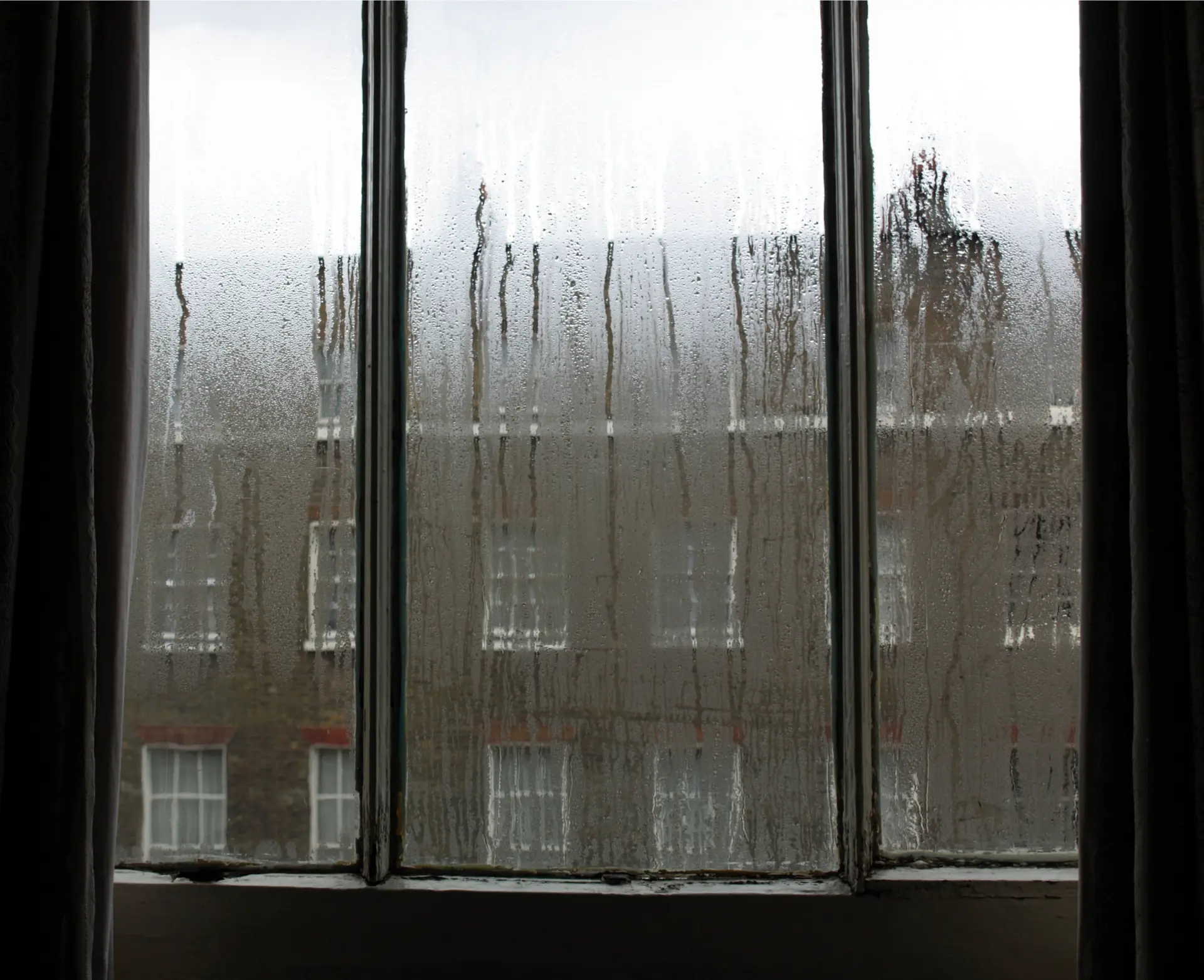
The first visible change may be condensation between the panes rather than a dramatic draught. That moisture confirms that the cavity is no longer isolated from surrounding air. Deposits can form on internal glass surfaces as water repeatedly evaporates and condenses. Because those surfaces cannot be cleaned without dismantling the unit, appearance tends to worsen and useful daylight can be reduced alongside thermal performance.

A cracked pane can also create comfort problems that are felt before they appear clearly on an energy bill. The inner glass surface may become colder in winter, increasing downdraughts and making a room feel unevenly heated. Occupants may turn up the thermostat to compensate. Local heat loss through one modest unit will not explain every high bill, but several failed units can undermine an otherwise well-insulated building envelope.
Replacement should preserve or improve the original specification. Ask whether the quotation includes low-emissivity glass, a warm-edge spacer and an appropriate gas-filled cavity, and request the stated centre-pane or whole-window performance where relevant. Do not assume thicker glass alone means better insulation. Frame condition, airtight fitting, spacer type and coating orientation all matter. Correctly specified glass restores performance without automatically requiring a new frame.
Safety Risks of Leaving a Cracked Window Unrepaired
Cracks can grow with temperature cycles, wind, vibration and normal sash movement. A pane that looks stable in calm conditions may behave differently during a cold night, hot afternoon or storm. Annealed glass can form long, sharp shards; toughened glass may release into many small pieces; laminated glass can remain attached yet lose rigidity. The timing and direction of further failure cannot be predicted by appearance alone.
Location determines who is exposed. A ground-floor crack may be reached by children or pets, while an upper-storey exterior pane can drop fragments onto a path, drive or neighbouring property. Glass in doors and low-level areas is more likely to be struck by a person. A damaged window can also offer reduced resistance to forced entry, even when the inner pane remains unbroken and the locks still operate.
Improvised intervention adds another layer of risk. Pressing tape firmly across a crack, trying to remove shards or applying heat can cause the pane to give way. Boarding fixed through the frame may damage hidden drainage channels or reinforcement. If the window is unstable, a glazier can select a safe method of containment and work from suitable access equipment. Emergency services may be appropriate when falling glass poses an immediate public danger.
Treat sudden spreading, loose pieces, bowing, rattling or a complete toughened-glass fracture as urgent. Move people away, close off the area and contact an emergency glazing provider. For a small stable crack, arrange prompt assessment and avoid using the sash in the meantime. Check home insurance and any installation guarantee before authorising non-emergency work, but do not let administrative delays leave an active hazard unmanaged.
How Professionals Replace a Double-Glazed Glass Unit
The process starts with diagnosis and measurement. The glazier identifies which pane is damaged, checks the frame and sash, and determines whether access or temporary boarding is needed. They establish width, height, overall unit thickness, glass build-up and any coating, tint, pattern, safety marking or internal bar. Accurate measurement is critical because sealed units are manufactured to order and require installation clearances around their edges.
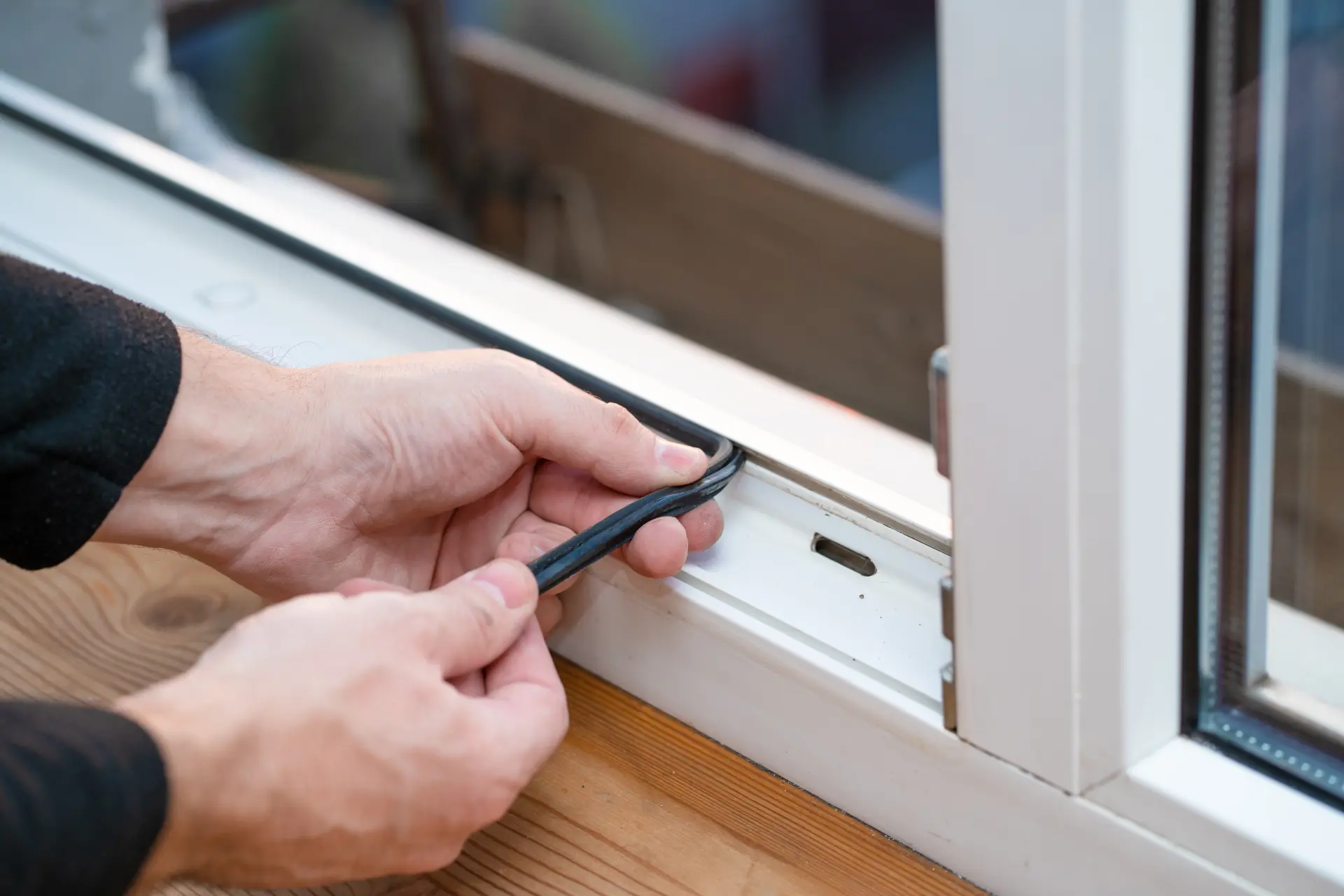
Once the replacement is ready, the fitter protects the work area and supports the sash. Depending on the window system, glazing beads are released from the correct side and gaskets or sealant are removed without distorting the profile. The damaged unit is lifted out using appropriate handling equipment. Large panes may require two people, suction lifters or external access, and broken glass is contained for lawful disposal or recycling.
The fitter then checks the glazing rebate, drainage paths and setting blocks. Failed sealant, debris or incorrect packer positions should be corrected before new glass goes in. The unit is placed on suitable blocks so its edges are supported and kept clear of standing water. Packers may also brace an opening sash to maintain alignment. Beads and gaskets are reinstated evenly without creating excessive point pressure.
Final checks cover bead engagement, gasket contact, drainage, sash operation and visual orientation of specialist glass. The installer should clean the pane, remove labels that are not permanent markings and explain any curing or handling restrictions. Keep the invoice and the unit specification, including guarantees. These details make future matching easier and provide evidence that safety glass or energy-efficient glazing was used where the location required it.
How Much Does Double-Glazed Window Repair or Replacement Cost?
UK prices vary widely, so a remote figure should be treated as a budgeting guide rather than a quotation. Published 2026 guides commonly place a straightforward fitted sealed-unit replacement at roughly £80 to £300, with small accessible units toward the lower end. A large, heavy or specialist unit can exceed that range. Minimum call-out charges also make a single tiny pane relatively expensive.
The glass specification is a major cost driver. Toughened or laminated safety glass, acoustic laminates, solar-control coatings, patterned glass, Georgian bars, lead designs and unusual shapes cost more than basic clear units. Overall thickness and gas or spacer choices matter too. Access can add scaffolding, tower or lifting costs, particularly above conservatories or on restricted elevations. Regional labour rates, urgent attendance and disposal charges further affect the total.

A complete replacement window includes a new frame, sash, hardware and installation work, so it costs substantially more than swapping sound glass in a serviceable frame. Indicative single-window figures may range from several hundred pounds to well over £1,000 according to size, material, opening configuration and access. That larger expense is justified only when the frame, security, weather sealing or overall performance also needs renewal.
Obtain itemised quotations that separate the sealed unit, labour, access, making good, VAT and waste removal. Confirm the glass specification, guarantee and whether temporary boarding is charged separately. Comparing like with like is more useful than choosing the lowest headline price. Also check insurance excesses and existing warranties: accidental damage may be covered, while premature seal failure might fall under an installer or manufacturer guarantee.
How to Prevent Double-Glazed Windows from Cracking Again
Reduce avoidable impact around vulnerable windows. Direct mower discharge away from glazing, keep stones out of lawns and use door restraints where handles or furniture could strike a pane. In exposed play areas, relocate goals or add a suitable barrier that does not obstruct ventilation or escape. Avoid placing ladders, tools or heavy planters where wind could knock them into the glass.
Manage thermal stress by allowing heat to disperse evenly. Do not press dark furniture, foil, large stickers or reflective coverings against strongly sunlit panes. Leave space between glass and blinds, and follow the glazing manufacturer’s advice for films because some products increase heat absorption or invalidate a guarantee. If part of a pane is permanently shaded, ask whether heat-treated glass is appropriate when replacement is specified.
Maintain the window system, not just the visible surface. Keep frame drainage slots clear, clean gaskets gently and address stiff hinges or misaligned sashes before they start twisting the unit. Do not force a window that catches. Inspect external sealant and timber finishes as part of routine maintenance. Persistent movement, water ingress or cracking at the same position deserves investigation of the frame and opening rather than another like-for-like glass order.
Quality installation is the strongest long-term safeguard. Use a competent glazier who measures correctly, checks edge clearances, selects suitable setting blocks and follows the system manufacturer’s glazing method. Retain specification and guarantee documents, then investigate any unusual chip promptly before it spreads. No glass is unbreakable, but correct design, careful use and early maintenance greatly reduce preventable stress and repeat failure.
John's Glass and Glazing provides window replacement and repair services for homes and businesses. Our services include removing old or damaged windows and replacing or repairing them with secure, well-sealed versions. New windows can improve your insulation, weather protection, security and comfort.