Why Frame Material Matters When Replacing Glass
A window frame does much more than hold the glass in place. Its profile determines the space available for the sealed unit, the position of the glazing beads and the way water is directed away from the opening. uPVC, timber and aluminium frames achieve these tasks differently, so a glass unit that fits one system may be unsuitable for another even when the visible pane appears to be the same size.
The frame also controls how the glass is supported. Setting blocks beneath the unit distribute its weight and keep the edges away from standing water, while packers help maintain the correct position within the sash. Their placement must suit the opening method and frame design. Poor support can make a sash drop, place pressure on the glass edge or prevent a window from closing correctly.
Thermal movement is another consideration. Aluminium, uPVC and timber expand and contract at different rates as temperatures and moisture levels change. The glazing method must leave enough tolerance for that movement without allowing the unit to rattle or lose its weather seal. Correct gaskets, glazing tape or sealant therefore matter as much as the nominal dimensions of the glass.
Before ordering a replacement, a glazier should identify the frame system and inspect its condition. Damaged beads, distorted profiles, blocked drainage paths or decayed timber may need attention before new glass is installed. Treating the frame and glass as one assembly helps prevent a straightforward replacement from becoming a recurring problem.
Understanding Glass Thickness and Compatibility
Glass thickness affects strength, weight and the amount of space required inside the frame. A single pane, a laminated sheet and a double-glazed unit can have very different overall depths even when their face dimensions match. The existing rebate and bead profile usually limit the thickness that can be accommodated without modifying or replacing parts of the frame.
For sealed units, the overall depth includes both panes and the spacer cavity between them. Increasing one part of that build-up may improve a particular aspect of performance, but the finished unit must still sit correctly behind the beads with adequate gasket compression. A unit that is too thick may be forced into the opening, while one that is too thin may not be held securely or sealed evenly.
Large panes and exposed positions can require thicker or specially processed glass to cope with wind pressure and everyday loads. The correct specification depends on the pane size, aspect ratio, installation height, support conditions and location. Thickness should therefore be selected from an on-site assessment rather than copied from a different window elsewhere in the building.
Compatibility also extends to coatings, edge finishes and the glazing materials surrounding the unit. Some sealants can react with the edge seal of an insulated glass unit, and certain coatings need to face a specified side of the cavity. Accurate measurement and a complete description of the proposed build-up allow the manufacturer and installer to supply components that work together.
Single, Double or Triple Glazing
Single glazing consists of one sheet of glass and is most often encountered in older windows, outbuildings and some internal applications. It is light and relatively simple to replace, but it provides limited resistance to heat transfer and external noise. Retaining it may be appropriate where the frame is very slim or the appearance of an older property must be preserved, although the wider condition of the window should be considered.
Double glazing uses two panes separated by a sealed cavity. The cavity reduces heat transfer, and its performance can be improved with a low-emissivity coating, a suitable spacer and an insulating gas fill. It is the usual choice for many replacement projects because it offers a practical balance of thickness, weight, comfort and compatibility with common residential frames.
Triple glazing adds a third pane and a second cavity. It can deliver lower heat loss when it forms part of a properly designed window, but it is heavier and deeper than a typical double-glazed unit. Existing hinges, sashes and beads may not accept the additional load or thickness, so upgrading the glass alone is not always possible or sensible.
The best option depends on the whole opening rather than the number of panes alone. Frame insulation, seals, installation quality, ventilation and the orientation of the window all influence the result. A well-specified double-glazed replacement in a sound frame can outperform a thicker unit that has been squeezed into an unsuitable or poorly sealed system.
Best Glass Options for uPVC Window Frames
Most modern uPVC windows use removable glazing beads and flexible gaskets to retain a sealed unit. When the frame is in good condition, a failed or damaged unit can often be replaced without changing the complete window. The new unit must match the opening, overall thickness and bead arrangement closely enough to restore an even seal around all four sides.
Energy-efficient double glazing is a common choice for uPVC frames. A low-emissivity inner pane, an insulated spacer and an appropriate cavity can reduce heat loss through the centre of the glass. The benefit will be greatest when the sash seals properly and the frame is not distorted, so the survey should include hinges, locking points and compression seals rather than concentrating on the glass alone.
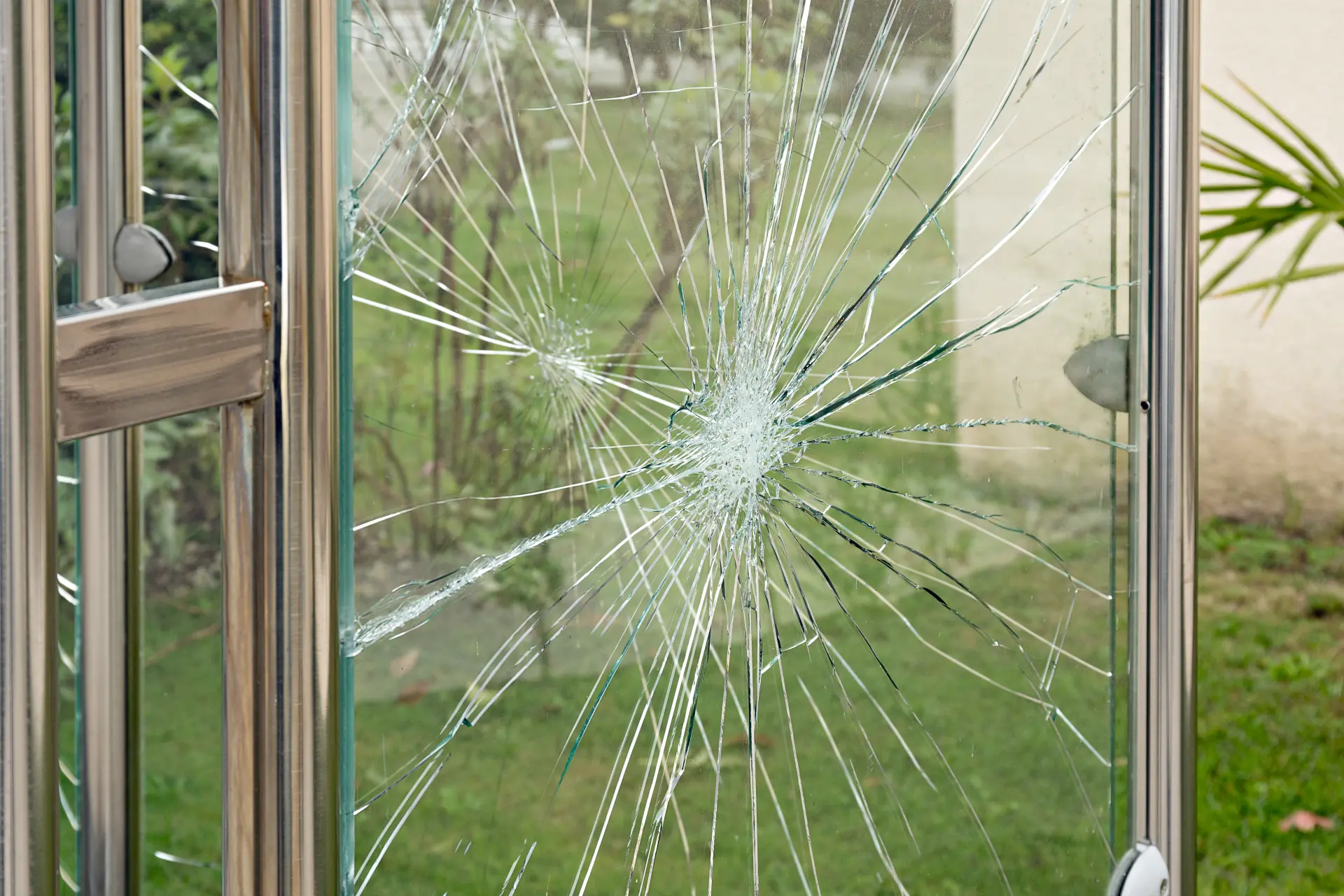
Safety or security glass may be needed in vulnerable positions. Toughened glass breaks into small fragments after a sufficiently heavy impact, while laminated glass tends to remain attached to its interlayer. The appropriate option depends on where the pane is located and whether the priority is accidental-impact safety, resistance to forced entry or a combination of both.
The replacement process should preserve the frame's drainage and pressure-equalisation paths. Packers must not block drainage slots, and the glass should not rest directly on the bottom of the sash. Careful installation keeps the unit square, helps the opening leaf operate smoothly and protects the edge seal from prolonged moisture exposure.
Choosing Glass for Traditional Timber Frames
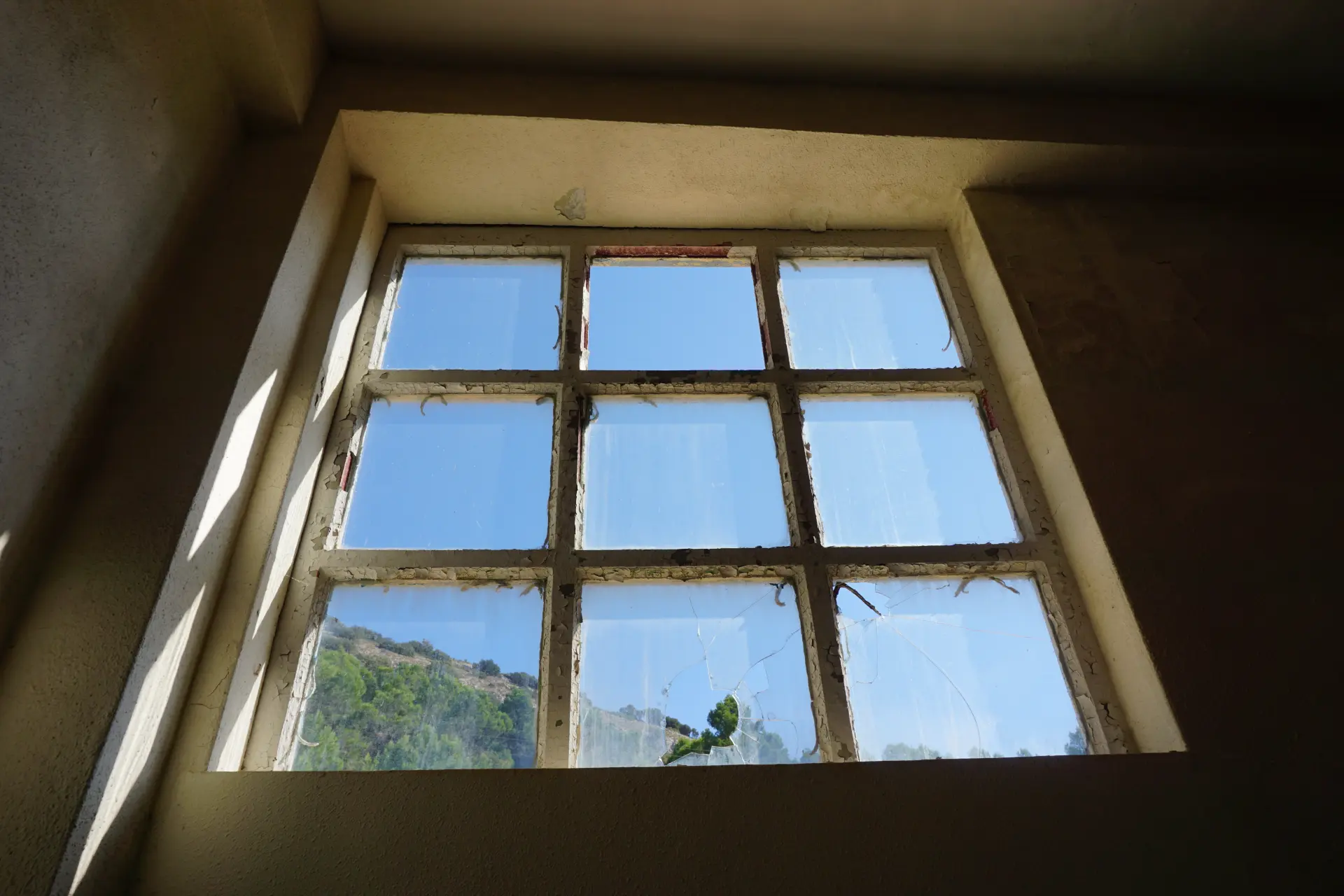
Timber windows vary widely, from slim historic sashes to newer frames designed for insulated units. The first task is to establish how the existing glass is retained and how much sound timber remains around the rebate. Putty glazing, timber beads and modern dry-glazed systems require different removal and installation methods, even when the replacement pane itself appears straightforward.
Moisture condition deserves close attention before new glass is fitted. Soft timber, failed paint and open joints can allow water to reach the rebate, where it may damage the frame and shorten the life of the glazing seal. Local repairs and suitable protective finishes should be completed where necessary so the replacement is installed into a stable, weather-resistant opening.
Older windows may have shallow rebates that cannot accept a standard double-glazed unit. Slimmer insulated units can sometimes provide an upgrade, but their suitability depends on the dimensions, frame strength and desired appearance. A survey should also consider whether changing the glass will alter glazing bars, reflected sightlines or other details that contribute to the character of the window.
Movement must be allowed for because timber responds to changes in moisture as well as temperature. The glass should be bedded and retained using a method compatible with the frame, coating and unit edge seal. Good preparation is essential: even high-quality glass will not perform well if it is fitted against damp, unstable or poorly finished timber.
Glass Requirements for Aluminium Frames
Aluminium frames are strong and can support relatively large glazed areas with narrow profiles, but their glazing pockets and gasket systems are precisely formed. The replacement unit must suit the original profile, bead type and required edge clearance. Small errors in thickness can make beads difficult to refit or leave the gaskets without enough pressure to create a reliable weather seal.
The thermal design of the frame is important. Modern aluminium windows often include a thermal break that separates the inner and outer parts of the profile, whereas older frames may conduct heat more readily. Upgrading the glass can improve comfort, but it cannot correct every source of heat loss or internal condensation associated with an ageing, non-thermally broken frame.

Large aluminium windows may need glass selected for wind loading, solar exposure and safe handling as well as insulation. Solar-control coatings can reduce overheating in strongly sunlit rooms, while laminated or toughened products may be appropriate for doors, low-level panes or exposed commercial elevations. These requirements should be established before manufacture because processing and coatings cannot usually be added after the pane is made.
Aluminium surfaces and gaskets should be protected during removal and refitting. Scratched powder coating, stretched gaskets or damaged corner joints can leave a finished repair looking poor and may introduce leaks. Using the correct tools and replacement seals helps retain the clean appearance and precise fit for which aluminium systems are chosen.
When to Choose Toughened or Laminated Glass
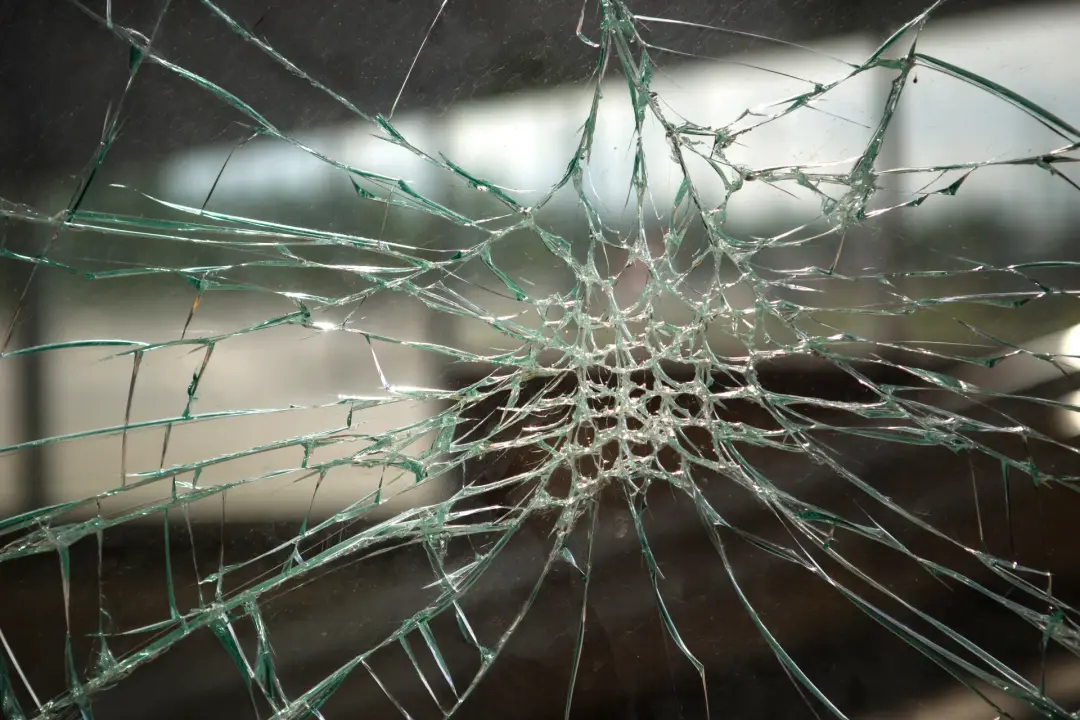
Toughened and laminated glass are both safety products, but they behave differently when damaged. Toughened glass is heat-treated to increase its strength and is designed to break into many small pieces rather than large sharp shards. Laminated glass bonds two or more sheets to an interlayer, which helps hold fragments in place after cracking and keeps a temporary barrier across the opening.
Toughened glass is often useful where accidental human impact is the main concern and rapid fragmentation is preferable to dangerous shards. It must be cut, drilled and edge-finished before the toughening process, so measurements and hardware details need to be correct when it is ordered. Any later attempt to alter the pane is likely to cause complete breakage.
Laminated glass is valuable when glass retention matters. The interlayer can slow access through a broken pane, reduce the risk of fragments falling and provide some filtering of ultraviolet light. Different interlayers and glass thicknesses offer different levels of performance, so the term laminated does not by itself define the security or acoustic capability of the finished product.
Selection should reflect the actual hazard and the full window design. Location, pane size, door movement, guarding needs and the possibility of falls all influence the specification. A professional assessment can determine whether one product is sufficient or whether a unit should combine toughened, laminated or coated panes to address more than one risk.
Improving Energy Efficiency With Low E Glass
Low-emissivity glass has a thin coating that reduces the amount of long-wave heat radiated through a window. In a double-glazed unit, the coating is normally positioned on a protected surface inside the sealed cavity. This placement allows daylight to enter while reflecting more room heat back towards the interior during colder weather.
The coating is only one part of an energy-efficient unit. Cavity width, gas fill, spacer design and the thermal performance of the second pane all affect the final result. A warm-edge spacer can reduce heat transfer around the perimeter, where the glass meets the frame, and may improve the internal edge temperature compared with a highly conductive spacer.
Orientation and solar exposure should inform the choice. Glass that welcomes useful solar warmth in one room may contribute to overheating in another with a large south- or west-facing elevation. In exposed positions, a combined low-emissivity and solar-control specification may offer a better balance between winter heat retention and summer comfort.
Replacing a failed unit also restores the dry sealed cavity that supports thermal performance. However, new glass cannot compensate for gaps around the sash, poorly insulated frames or unsuitable ventilation. The most useful assessment considers the pane alongside seals, trickle vents, frame condition and the way the room is heated and aired.
Balancing Security Style and Natural Light
Glass choice changes both how a window performs and how a room feels. Clear glass provides the strongest connection with the outside and makes the most of available daylight, but it may not offer enough privacy for bathrooms, entrance doors or windows facing a close boundary. Patterned, etched or obscured products can screen views while still admitting useful light.
Security requirements should be matched to the opening rather than applied uniformly throughout the property. Laminated glass can help retain a barrier after impact, but secure beads, sound locks and a well-fixed frame are also necessary. Strengthening the pane while leaving weak hardware or external glazing beads unaddressed can simply move the vulnerable point elsewhere.
Appearance depends on details that are easy to overlook during an urgent replacement. Tint, reflectivity, spacer colour and the position of decorative bars can differ noticeably from neighbouring units. Where a window forms part of a matched elevation, comparing samples and recording the existing construction helps avoid a replacement that performs well but looks out of place.
Natural light should be considered alongside glare and privacy at different times of day. A heavily tinted pane may solve one problem while making an interior unnecessarily dark, and an obscure pattern may provide less screening at night when lights are on. The best specification responds to how the room is used, where people stand and what can be seen from both sides.
Questions to Ask Before Ordering Replacement Glass
Begin by asking whether the frame and hardware are sound enough to justify glass-only replacement. A glazier should be able to explain any defects found in the beads, gaskets, hinges, locks, drainage paths or timber. Understanding that condition helps distinguish a contained glazing repair from a wider window problem that would remain after the new pane was fitted.
Confirm the complete glass specification rather than relying on a description such as double glazing or safety glass. Ask about pane types, overall unit depth, coatings, spacer, cavity and any obscure or decorative finish. A written description makes it easier to check that the proposed unit addresses the reason for replacement and matches nearby windows where appearance matters.
Discuss how the opening will be measured, made safe and protected between visits if the glass must be manufactured. Bespoke sealed units and processed safety glass are normally made to order. The installer should explain whether temporary boarding is necessary, how long the opening may remain protected and what access is required when the final unit is ready.
Finally, ask what is included in the work and what care the window will need afterwards. Removal of broken glass, disposal, replacement seals, minor frame preparation and cleaning may be treated differently by different providers. Clear expectations about the scope, price and any workmanship or product guarantees reduce the chance of disagreement once installation begins.
John’s Glass and Glazing provides professional glass replacement and emergency glazing services for homes and businesses. From selecting suitable glass for uPVC, timber and aluminium frames to securing damaged windows during an urgent call-out, we provide practical solutions tailored to each property. Our services help restore safety, security, weather protection, insulation and everyday comfort.