Glazing problems can affect comfort, energy use and even safety in your home. Whether it is your windows or doors, spotting each issue early can save time and reduce repair costs. This guide explores common glazing problems, what causes them and how to fix them properly.
Cracked or Broken Glass
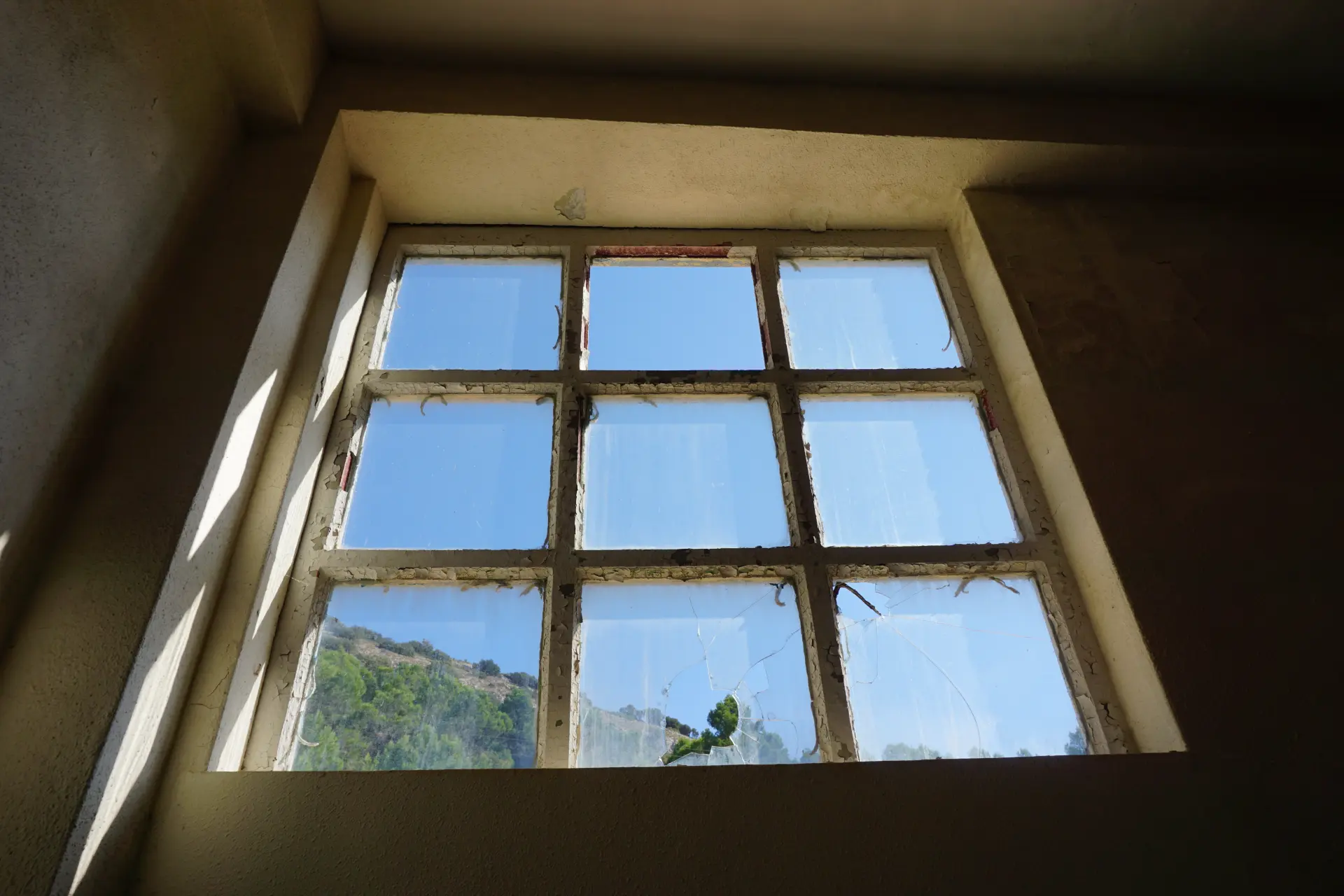
Cracked or broken glass is one of the most common glaze defects seen in windows. This problem is often caused by impact, ageing materials or sudden temperature changes. Even a small crack can grow over time and weaken the whole window.
When the glaze surface is damaged, moisture can enter the unit and affect the surrounding frame. This can lead to further problems such as condensation or draughts. In some cases, the glass may shatter if left untreated.
The best fix is to replace the damaged pane as soon as possible. Temporary fixes rarely last and can create safety risks. A professional can assess the damage and ensure the new glazing fits well within the frame.
Misted or Foggy Windows
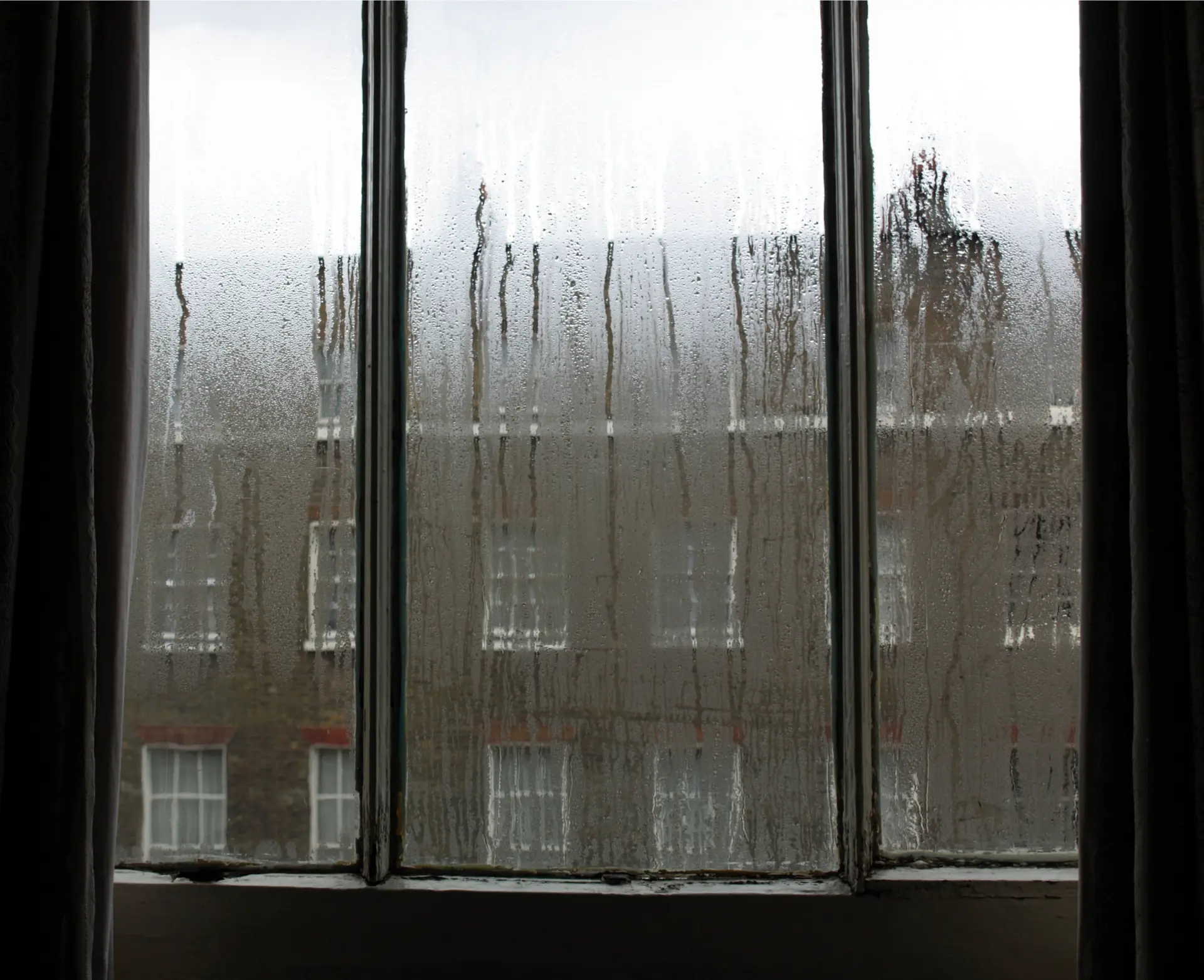
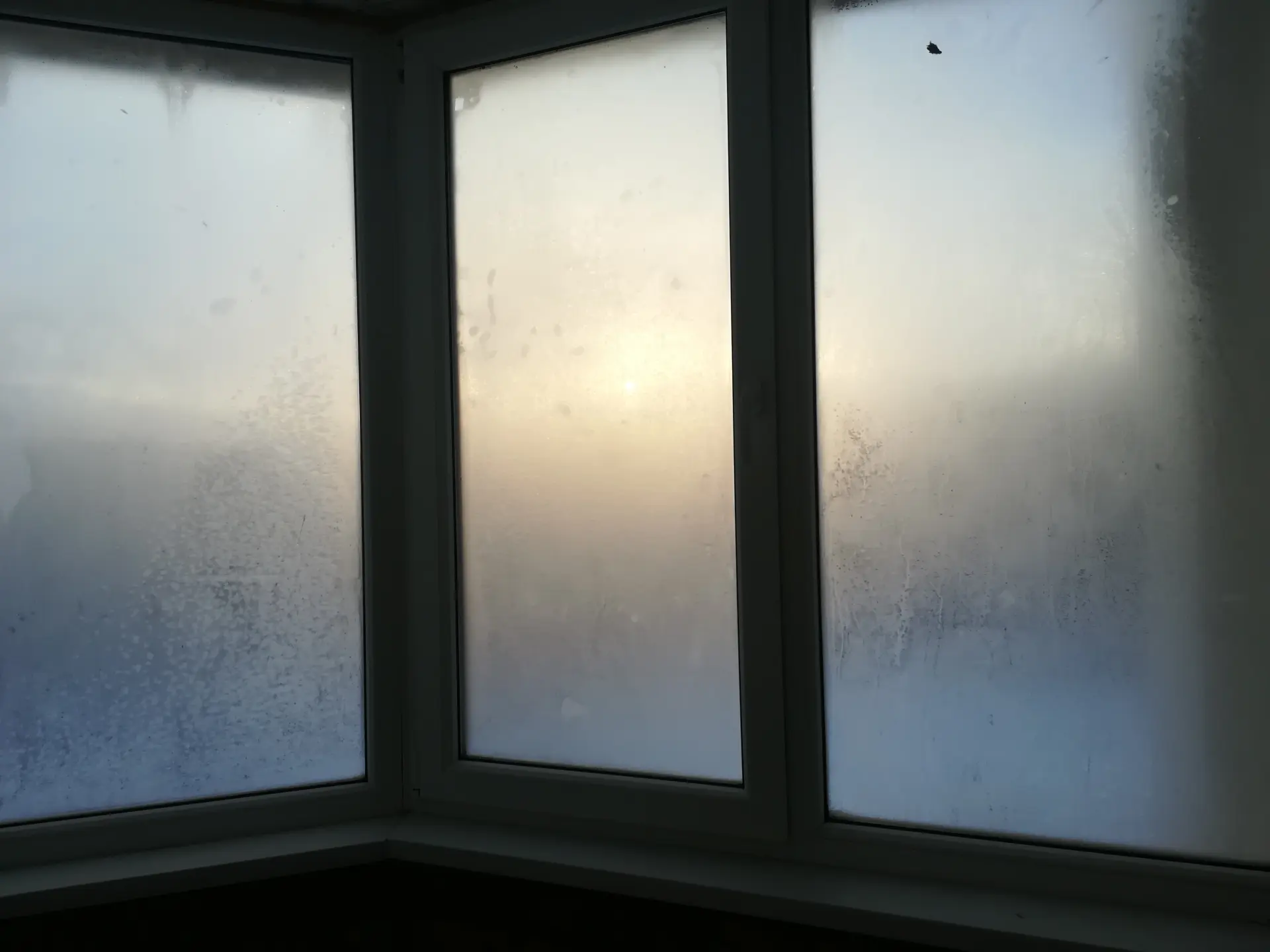
Misted double glazing is a common issue in many homes. It happens when the seal between the panes fails, allowing moisture to enter. This creates condensation that cannot be cleaned from either side.
This problem is often caused by wear over time or poor installation. Once the seal breaks, the insulating gas escapes, and the window loses its efficiency. As a result, your home may feel colder, and your energy bills may rise.
The only long-term fix is to replace the sealed unit. While the window may still open and close, the glazing no longer works as it should. A specialist can check the condition and recommend the right solution.
Draughts Around the Window Frame
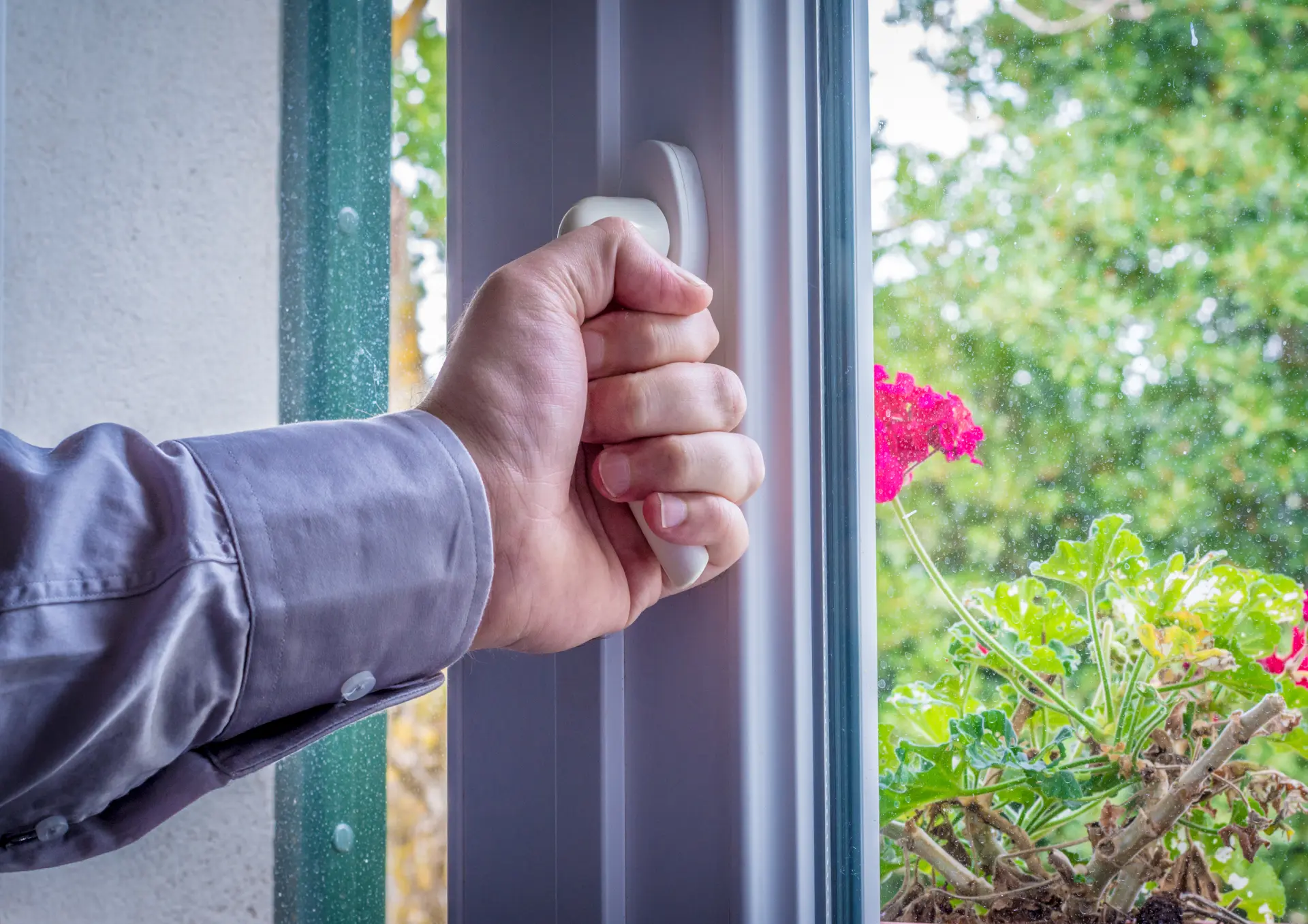
Draughts are a frequent problem, especially in older windows and doors. You may notice cold air entering around the edges of the frame or feel uneven temperatures in a room.
This issue is often caused by worn seals, gaps in the frame or poor installation. Over time, materials shrink or move, creating small openings that allow air through.
You can fix minor draughts at home using sealant or draught strips. However, if the frame is damaged or badly fitted, it may need replacing. Good practice is to check seals regularly to prevent the problem from getting worse.
Sticky or Jammed Windows
Windows that will not open or close properly can become a daily issue. This problem is often caused by a build-up of dirt, moisture in the frame or swelling of the material.
In some cases, paint or debris can block the tracks, making it hard for the window to move. Cleaning the tracks and applying a suitable lubricant can often fix the issue.
If the window still sticks, the frame may have shifted over time. This can affect how the window opens and locks, which may also impact security. A professional can check the alignment and suggest the best fix.
Condensation on Windows
Condensation on the inside of a window is another common glazing problem. It appears when warm air meets a cold surface, such as glass. This is common in kitchens, bathrooms and other areas with high moisture.
While some condensation is normal, too much can lead to mould growth and damage to the frame. It can also affect nearby surfaces and reduce air quality.
To fix this issue, improve ventilation in your home. Opening windows regularly, using extractor fans and keeping a steady indoor temperature can help reduce moisture. In some cases, upgrading to better double glazing can also make a big difference.
Glaze Surface Defects in Decorative or Ceramic Applications
Not all glazing problems relate to windows. In ceramic ware, glaze defects such as crazing, crawling, pinholes and shivering are also common problems.
Crazing appears as fine lines across the glaze surface. It is often caused by differences in thermal expansion between the glaze and the clay body. While it may look decorative, it can allow moisture and food particles to enter, which is not safe for items used to drink or serve food.
Crawling happens when the glaze pulls away during firing, leaving bare patches on the surface. This issue is often caused by poor application or dust on the clay before glazing.
Pinholes are small holes that appear after firing. They are usually caused by trapped gases escaping from the clay body or glaze at high kiln temperature.
Shivering is the opposite of crazing. In this case, the glaze is under too much tension and can flake off the edges of the ware. This can be sharp and unsafe.
Fixing these glaze defects requires careful control of the firing process, correct glaze type and proper surface preparation. Testing small samples and adjusting kiln temperature can help find the right balance.
Poor Installation and Alignment Issues
Another common glazing problem is poor installation. If windows or doors are not fitted correctly, they may not work as intended. You might notice gaps, uneven openings, or difficulty locking them.
Over time, these issues can lead to draughts, moisture problems and even damage to the frame. It can also reduce the lifespan of the glazing.
The best fix is to have the installation checked by a professional. They can adjust or refit the unit to ensure it works properly and provides a good seal.
When to Call a Glazing Professional
Some glazing problems can be fixed at home with basic tools. For example, cleaning tracks, sealing small gaps or improving ventilation are simple tasks.
However, more serious issues such as cracked glass, failed double glazing or repeated moisture problems require expert help. If you notice ongoing defects, it is best to contact a glazing specialist.
A professional can inspect the full window or door unit, including the frame, seals and glaze. They can find the root cause of the problem and recommend the most effective fix.
Addressing glazing problems early helps protect your home, improve comfort and reduce long-term costs.
John's Glass and Glazing provides fast, secure, and professional glazing repair services across Halifax, Huddersfield, Bradford and West Yorkshire. Whether it’s cracked panes, misted double glazing, or damaged glass, our expert team is available 24/7 to restore safety, insulation, and appearance to your home or business.