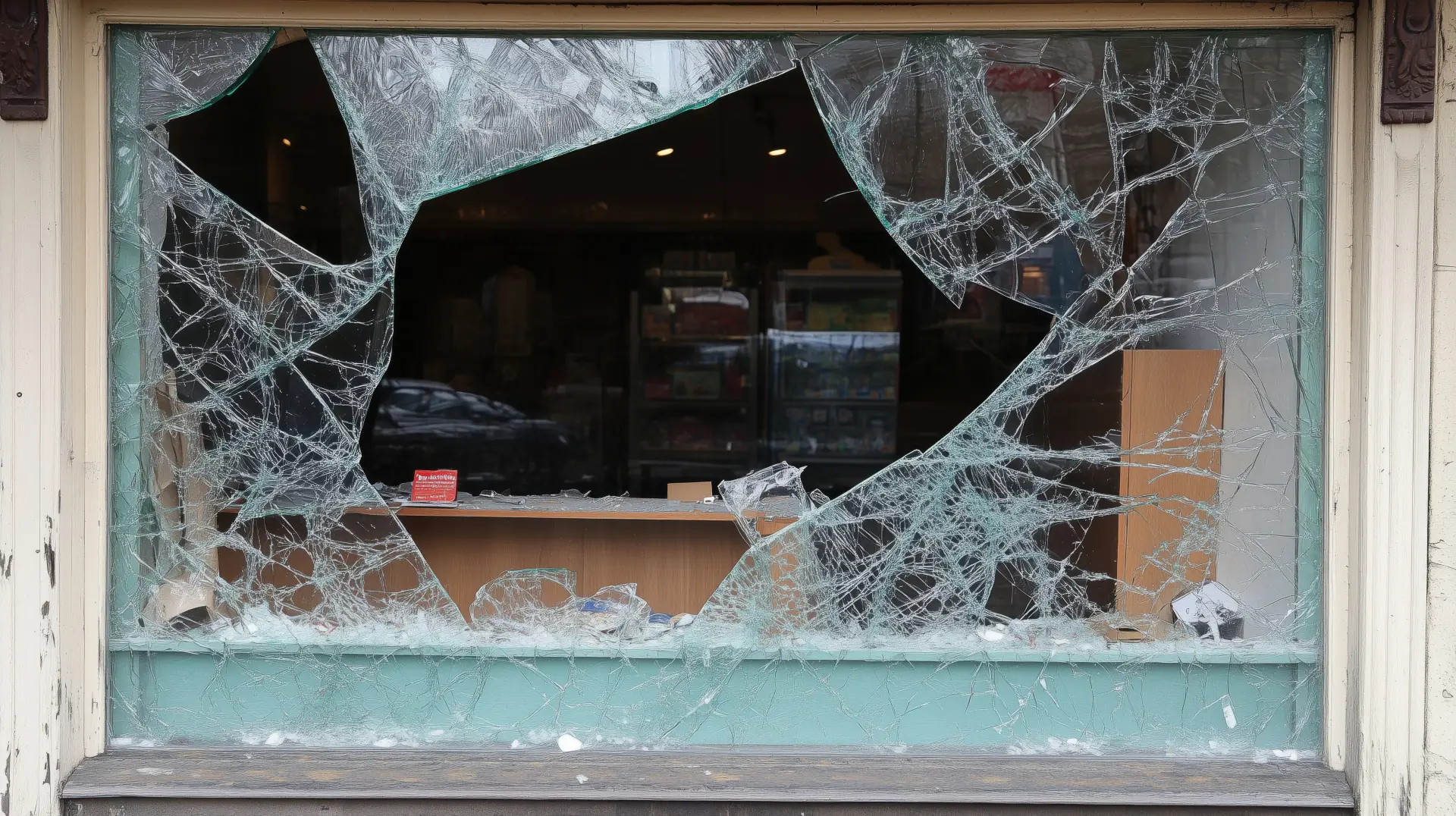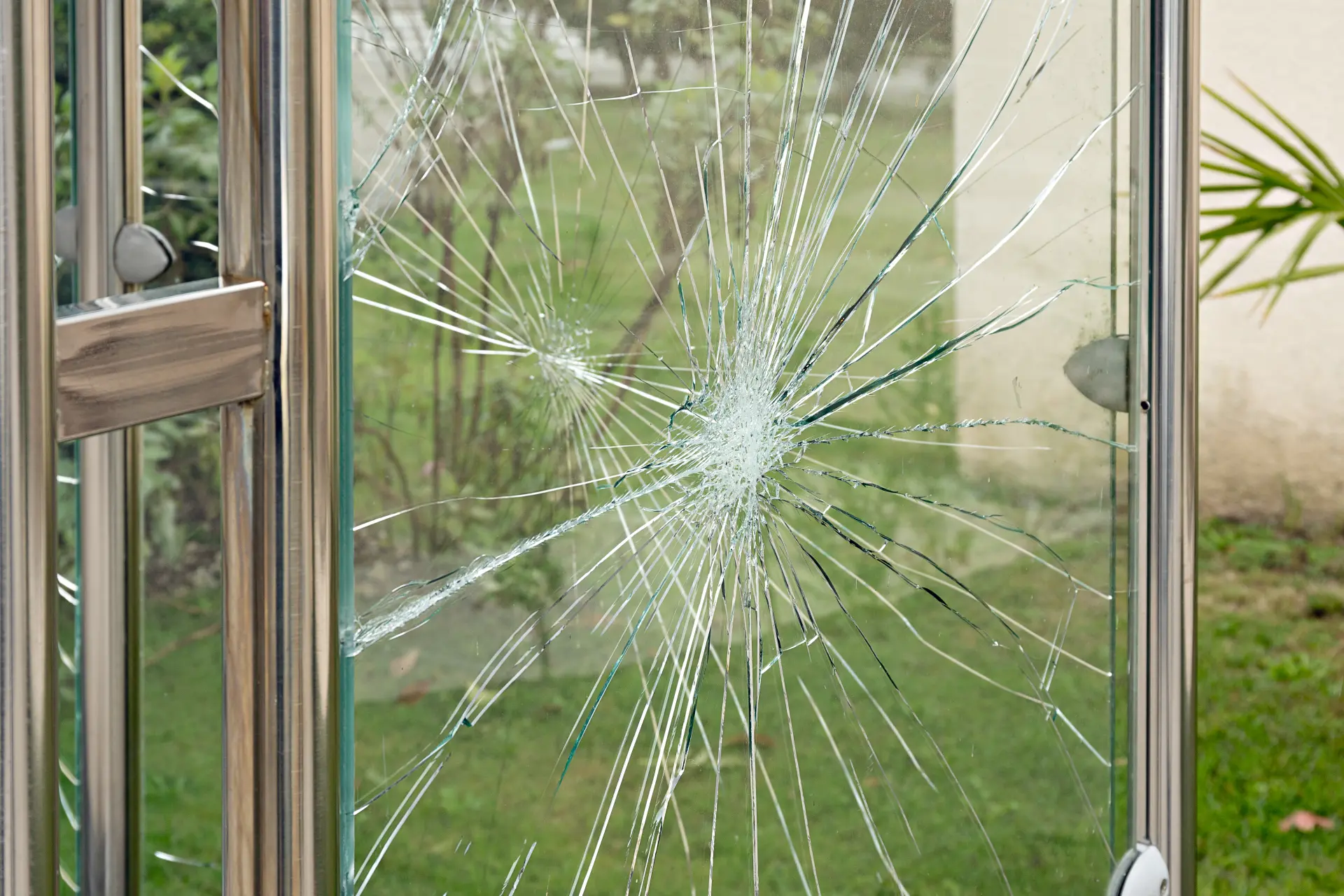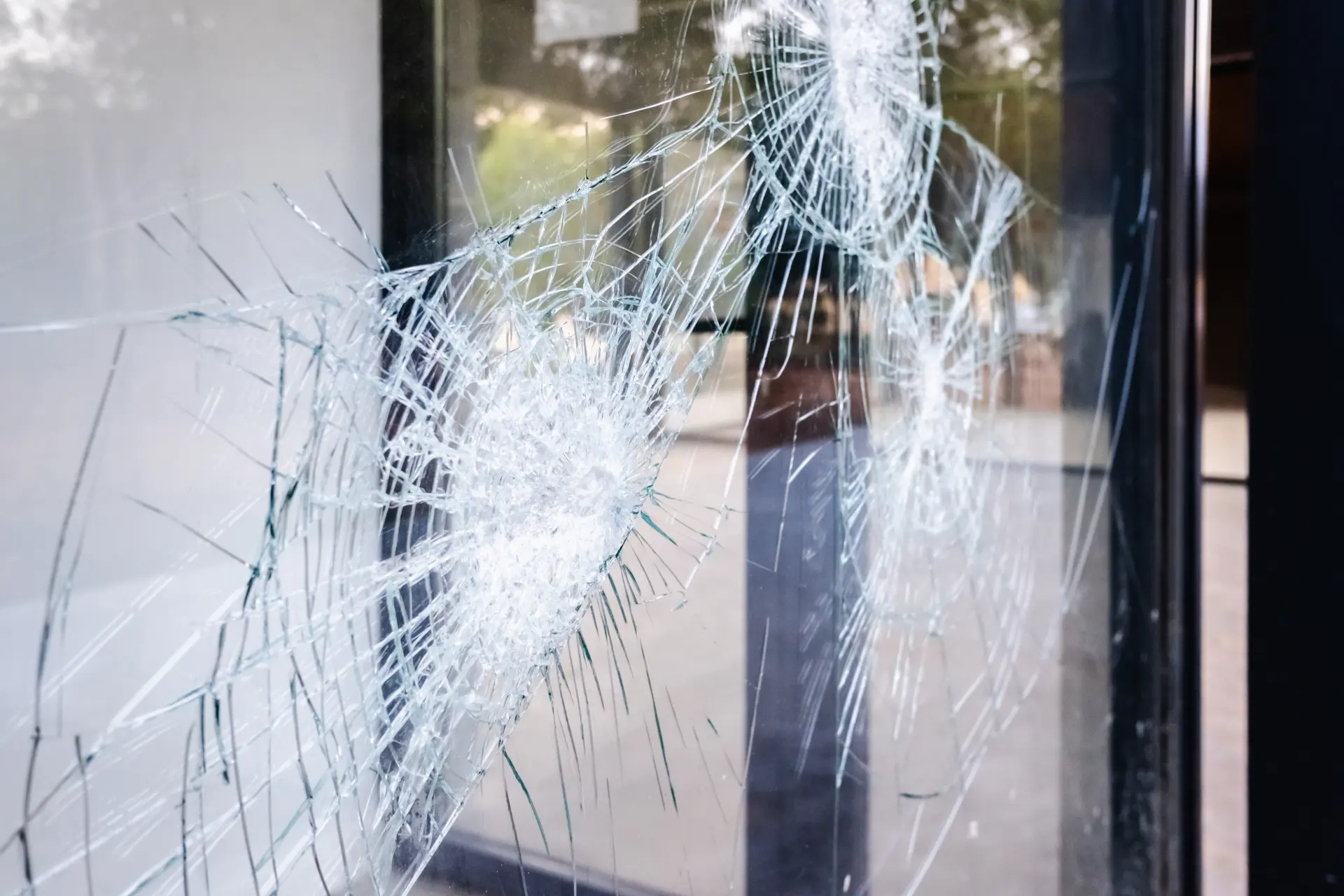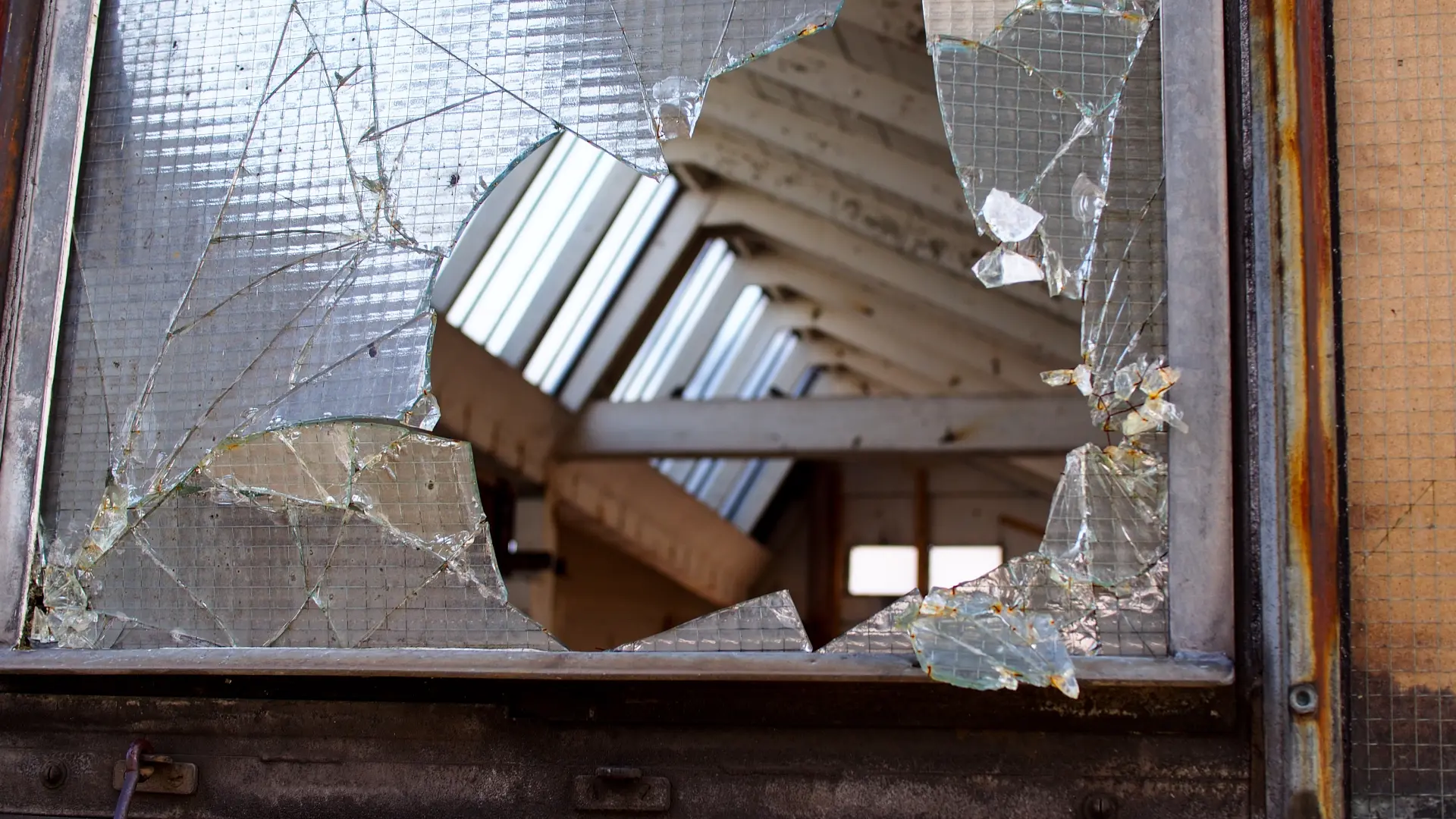
Boarding up a window after it breaks is more than just a quick fix. While the goal is to make the property safe and secure, mistakes made during the process can actually create new hazards or leave weaknesses behind. Understanding what to avoid helps ensure the job is carried out properly, keeping your home or business protected until permanent repairs are arranged.
Not Wearing Safety Gear
Safety should always come first, but many people attempt to board up a window without even the most basic protective equipment. Handling broken glass with bare hands is extremely dangerous. Even small fragments can cause deep cuts, and splinters can become embedded in skin or eyes in an instant. Protective gloves and goggles are essential, especially when removing sharp shards from the frame before boarding begins.
It is also sensible to wear sturdy footwear and long sleeves, as glass has a habit of scattering further than expected. Professionals treat protective clothing as standard because the risks of injury are simply too high without it. Taking the time to gear up may feel like a delay, but it is one of the simplest ways to ensure the process is carried out safely from start to finish.
Leaving Broken Glass Behind
Another mistake is trying to cover the damage without clearing the window opening first. Boarding directly over broken glass leaves hazards hidden beneath the timber. Loose shards can later fall to the ground, endangering anyone passing nearby, and sharp edges may cause injuries during the boarding process itself.
Beyond the safety risks, leftover glass prevents the board from sitting flush against the frame. This weakens the installation and creates gaps where draughts, rain, or even intruders can gain access. Removing all debris not only makes the space safer but also ensures the boarding is secure and effective. A quick sweep is rarely enough, every fragment should be cleared before work begins to guarantee the best result.
Professionals are careful to remove loose glass completely, often vacuuming small pieces from the sill or floor. This step is essential, as it transforms a dangerous opening into a clean, stable surface ready for proper boarding.

Using the Wrong Board Thickness
Choosing the wrong type of board is another common error. Thin boards may seem like a quick solution, but they can easily be forced open or damaged by weather conditions. On the other hand, boards that are too thick can be difficult to handle, may not fit tightly against the frame, and are often unnecessary for temporary protection.
Board type, thickness and fixings should suit the opening, exposure and supporting frame. No single thickness guarantees a secure installation on every property. Ask the specialist to explain the proposed material and how it will be supported.
Quality boarding is about more than just covering the glass. It should provide robust security and shield the property from the elements until permanent glazing is fitted. Using the right material ensures that once the board is in place, it stays there firmly and reliably.
Fixings Too Close to the Edges
Even with the right board, placement of the fixings makes all the difference. A frequent mistake is driving screws or nails too close to the edges of the timber. This weakens the material, often causing it to split. Once a split begins, the strength of the entire installation is compromised, making it far easier for the board to be prised off or broken away.
Correct boarding requires fixings that are evenly spaced and positioned slightly in from the edges, ensuring they grip firmly without weakening the board. Each fixing should be sunk deep enough into the frame to hold securely, but not so close that the wood is stressed. Professionals take the time to align fixings properly because they know that poorly placed screws can undo the entire job.
When done right, fixings lock the board into place in a way that resists tampering, weather, and daily movement. Getting this detail wrong is one of the easiest ways to create a weak point, so it is worth the extra care every time.
Choosing Fixings Without Checking the Frame
A board is only as secure as the material supporting it. Rotten timber, distorted frames or damaged surrounds may not hold a fixing reliably. Drilling blindly into uPVC or aluminium can damage drainage channels or hardware. Ask the specialist to assess the opening and select an appropriate fixing method.
Measure the whole opening rather than copying a surviving pane. Board thickness alone does not establish security: the support, exposure and fixing arrangement matter too. Large openings and damaged frames need individual assessment rather than a universal plywood specification.
Blocking Escape Routes and Ventilation
Tell the contractor if the window is used as an emergency escape route. Covering it changes how occupants can get out. Keep doors and agreed escape routes clear, and seek advice if the damaged window is the only practical alternative exit.
Do not cover purpose-made ventilation or seal every vent in the room. Explain any ventilation concerns before work starts. Temporary weather protection should keep rain out while allowing the room to be occupied safely.
Leaving Boarding in Place Without Follow-Up
The ONS July 2026 bulletin reports 223,456 police-recorded burglaries in England and Wales in the year ending March 2026, down 9% annually. This includes residential and non-residential premises; it does not measure boarding effectiveness.
Agree when permanent glazing will be measured and who will check the board meanwhile. Look from a safe position for movement, gaps or rain penetration after bad weather. Keep photographs and the invoice, and report a loose board promptly rather than trying to adjust it beside damaged glass.
We provide fast, reliable double-glazing repair services to restore clarity, warmth and security to your property. We can fix misted units, damaged seals, panes and more.