Double glazing vs triple glazing
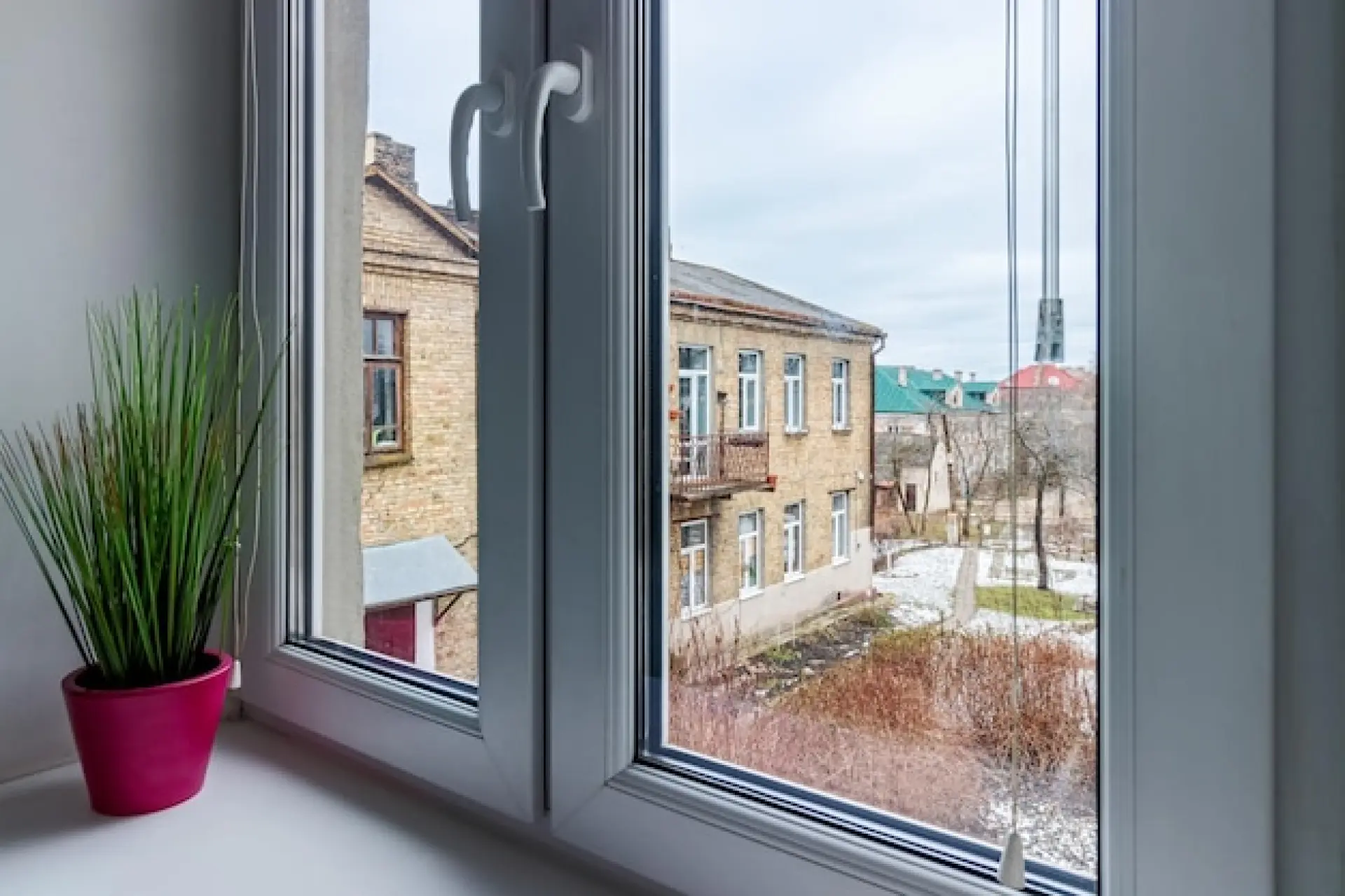
Double glazing is two panes of glass that have a small gap in between. This gap is typically filled with air or an inert gas like argon. The space acts like a barrier that slows down heat escaping from your home. Most of the homes in the UK now have double glazing installed as standard because it offers a good balance of cost and performance.
Triple glazing is three panes of glass with two gaps between them. This design gives even better insulation than double glazing. Because there are more layers for the heat to travel through, less warmth escapes. Triple glazing is particularly helpful in very cold parts of the country or in homes that aim to be very energy efficient.
However, triple glazing usually costs more than double glazing. The frames need to be stronger to support the extra weight, and the glass itself is more expensive. For some homes, the additional cost will pay off in energy savings, but for others, high-quality double glazing will be enough. It depends on where you live and how well the rest of your home is insulated.
Frame materials and their impact on heat loss
The frame that holds the glass is just as important as the glass itself. Different frame materials conduct heat in various ways. Some materials let heat pass through easily. Others help to stop heat escaping. The most common frame materials are uPVC, aluminium, and timber, and each one affects your home’s energy use.
uPVC frames are quite popular in modern homes. They are good insulators, which means they do not let heat travel through them easily. They are also low maintenance, as they do not need painting and are easy to clean. As uPVC is widely used throughout the country, it tends to be one of the more affordable choices, all while still offering strong energy performance.
Aluminium frames used to have a poor name for warmth because metal conducts heat easily. However, modern aluminium frames are much better. They now use a “thermal break” inside the frame. This is a layer of insulating material that is placed between the inside and outside parts of the frame. This design eliminates heat loss while still giving you a slim, modern-looking window with large areas of glass.
Timber frames are natural insulators and can be very energy efficient when they are made well. Wood has a warm feel and suits older buildings and traditional homes. However, timber frames need plenty of care, such as painting or treating, to protect them from the weather and rot. If they are not looked after, they can warp or let in draughts, which reduces their energy performance.
Understanding window energy ratings
Window energy ratings are a simple way to see how efficient a window is. These ratings are usually shown on a scale that runs through different bands, often using letters and colours. Windows with a better rating keep more heat inside in winter and can also help limit any unwanted heat coming into your property during the summer.
The rating takes several things into account. It looks closely at how much heat is lost through the glass and frame, how much sunlight passes through the glass to warm your home, and how airtight the window is. This gives you a clear picture of how that window will affect your heating use over a typical year. A higher-rated window should help you save more on your energy bills.
On many labels, you will also see figures such as the U-value. The U-value helps to measure how much heat passes through the window. A lower U-value means the window is better at keeping heat in. While this sounds technical, you can use it in a simple way. If you are comparing two similar windows, the one with the lower U-value will usually be more efficient.
How new windows can lower your heating bills
New windows reduce heat loss, which means your home stays warmer for longer when the heating is on. When less heat escapes through the glass and frames, your boiler or electric heater does not need to run as often. This can lower your gas or electricity use, which leads to smaller bills each month.
Modern windows are designed to be very airtight. Older windows usually have small gaps around the edges that allow draughts in. You may feel the cold air coming through, especially on more windy days. Draughts make rooms feel chilly even if the heating is on. New windows with proper seals and fittings can reduce these draughts, so your home feels much warmer at a lower thermostat setting.

Better windows can also help your heating system work more evenly across your home. In many houses with older windows, people avoid sitting near the window because it feels cold. The air next to the window cools quickly, which can create cold spots. With new, efficient windows, the glass surface will not feel as cold. This helps the temperature in the room stay more stable and comfortable.
As the months and years go by, the energy savings from installing new windows can be quite large. While the exact amount depends on your home, your current windows, and energy prices, many households notice a significant drop in their property heating bills after replacing very old or single-glazed windows. Along with lower bills, you may also enjoy less condensation on the glass and a quieter home, as modern windows reduce noise from outside.
Choosing the right windows for your home
Choosing the right windows starts with looking at your current ones. Think about how old they are, whether you feel draughts, and where your home loses most heat. Any rooms that feel cold, have misted-up glass between panes, or have frames in poor condition are strong candidates for replacement. Make a list of the problem areas so you can focus your budget where it will have the most impact.
Next, it's always good to think about glazing. Ask yourself if high-quality double glazing will meet your needs or if triple glazing would bring extra benefits. If you live in a busy or very cold area, or perhaps even near a main road, triple glazing might help with both warmth and noise reduction. If your budget is tighter, you might choose very efficient double glazing for the whole house or even start with the rooms you use most.
You should also consider frame materials and style. uPVC suits many modern homes and is often the most cost-effective choice. Aluminium can give a slim, stylish look, especially for large windows or patio doors. Timber may be best for period homes or where you want a natural appearance. Try to match the style of the window to the character of your home, so the new windows improve both energy efficiency and kerb appeal.
We provide fast, reliable double-glazing repair services to restore clarity, warmth and security to your property. We can fix misted units, damaged seals, panes and more to help you cut your heating bills down.