Learn how to fix drafts in double-glazed windows effectively. Discover simple DIY tips to seal gaps, replace seals, and improve your home's energy efficiency while helping to keep your home warm and comfortable.
Checking for Gaps Around the Window Frame
Checking for gaps around the window frame is one of the most effective ways to stop draughts in double-glazed windows. Even well-designed double glazing can allow cold air into your home if small gaps form around the edges of your window or where the frame meets the wall. These gaps often develop over time due to wear and tear or slight movement in the building.
An easy way to find the problem is to run your hand slowly around the frame, especially near hinges, locks, and the edges of your window. You may feel a slight chill where air is coming in. Another simple test is to hold a candle or flame near the frame. If the flame flickers, it is a clear sign of draughty windows. You can also close the window on a strip of paper. If you can pull it out easily, the seal is not tight enough.
Make sure you inspect both windows and doors in your home, as draughts can travel between spaces. Pay close attention to areas where light shows through or where the window does not close properly.
Inspecting the Window Seals and Gaskets
Seals play a key role in keeping double-glazed windows energy efficient. Over time, seals can wear, shrink, or become damaged, which allows air and moisture to pass through. This can lead to drafts, condensation between panes, and increased heat loss.
Check the seals closely by opening the window and inspecting the rubber around the frame. Look for signs of damage, such as cracks, flattening, or gaps. Worn seals will not create a tight seal when the window is closed, which reduces energy efficiency.
Cleaning the seals can also help. Dirt and debris can stop them from sealing properly. Use a soft cloth and mild soapy water to clean around the edges, then dry them fully before closing the window again.
If the seals are damaged, replacing them is often an easy and cost-effective option. Make sure you choose the correct type for your UPVC window or other frame type to ensure a proper fit.
Adjusting Hinges and Locks for a Better Fit
Sometimes the issue is not the seals but how the window sits in the frame. Hinges can become loose or misaligned over time, which means the window does not press firmly against the seals when closed.
You can adjust most hinges with a simple tool. Open the window and locate the adjustment screws, then make small changes to improve how the window closes. The goal is to ensure even pressure around the window frame so that no gaps are left.
Locks also play an important role. If the locks are not engaging properly, the window may not pull tight into the frame. Adjusting or replacing worn locks can help create a better seal and stop draughts effectively.
Sealing Gaps Around the Window
Sealing gaps around the window frame is another effective way to stop draughts. Small gaps can appear between the frame and the wall due to movement, ageing materials, or poor installation.
Applying a suitable sealant around the window frame can block cold air and prevent moisture from entering your home. Make sure the area is clean and dry before you start. Apply the sealant carefully along the edges of your window and smooth it out for a neat finish.
This simple repair can make a big difference to your heating efficiency and help reduce energy bills over time.
Dealing with Condensation and Moisture
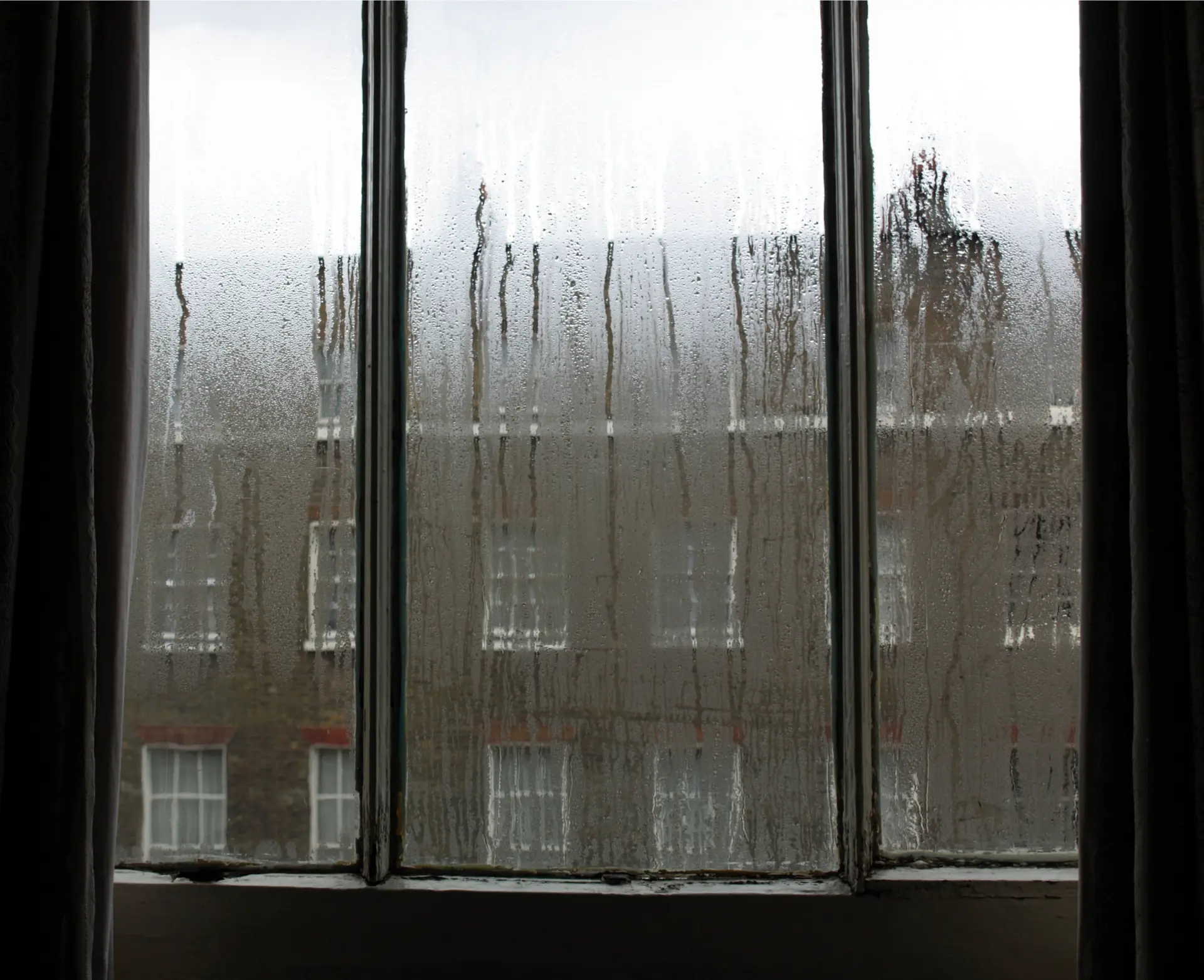
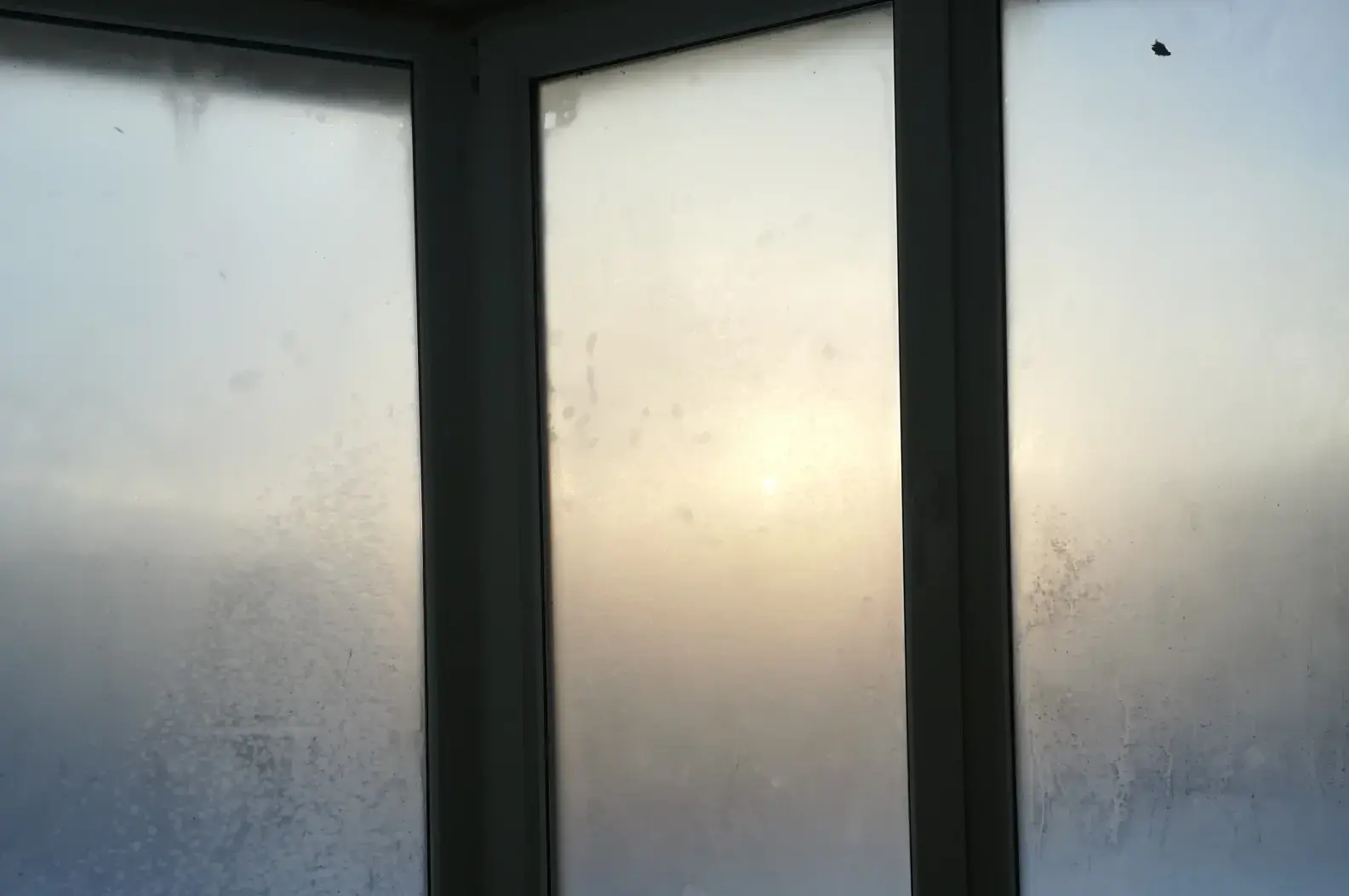
Condensation is a common issue with double-glazed windows and can be a sign of a deeper problem. If you notice moisture between the glass panes, it usually means the sealed unit has failed.
This type of problem cannot be fixed with a simple repair. The best option is to replace the glass unit. Modern replacement units are designed to be more energy efficient and can help reduce future heat loss.
If condensation is forming on the inside of the glass, improving ventilation in your home can help. Make sure rooms are well aired and consider using extractor fans where needed.
When to Consider Professional Repair or Replacement
If you have tried to fix drafts but still feel cold air coming through, it may be time to call a professional. Issues such as damaged frames, poor installation, or long-term wear and tear often need expert attention.
A professional can inspect your windows, find the exact cause of the draught, and recommend the best solution. This may include adjusting the frame, replacing seals, or fitting new windows if needed.
In some cases, replacing old windows with new double-glazed windows or modern UPVC windows can be a more cost-effective solution in the long term. New windows are designed to improve energy efficiency and keep your home warm.
If you are unsure, it is always a good idea to contact a trusted expert for advice. They can ensure the work is carried out correctly and help you avoid further issues.
Final Checks to Ensure a Draught-Free Home
After completing any repairs, take the time to check your work. Close the window and test for drafts again using your hand, paper, or a candle. Make sure there are no remaining gaps and that the window closes properly.
Regular checks throughout the year can help you spot early signs of wear and prevent larger problems. Keeping seals clean, checking hinges, and maintaining your windows will ensure they continue to perform well.
By taking these steps, you can stop draughts, reduce heat loss, and improve the comfort and energy efficiency of your home.
We provide fast, reliable double-glazing repair services in Halifax, Huddersfield, Bradford and West Yorkshire. We can fix misted units, damaged seals, panes and more.