Discover effective ways to stop condensation in double-glazed windows. Keep your glass clear and protect your home from damp, mould, and long-term damage.
Why condensation Occurs in double-glazed windows
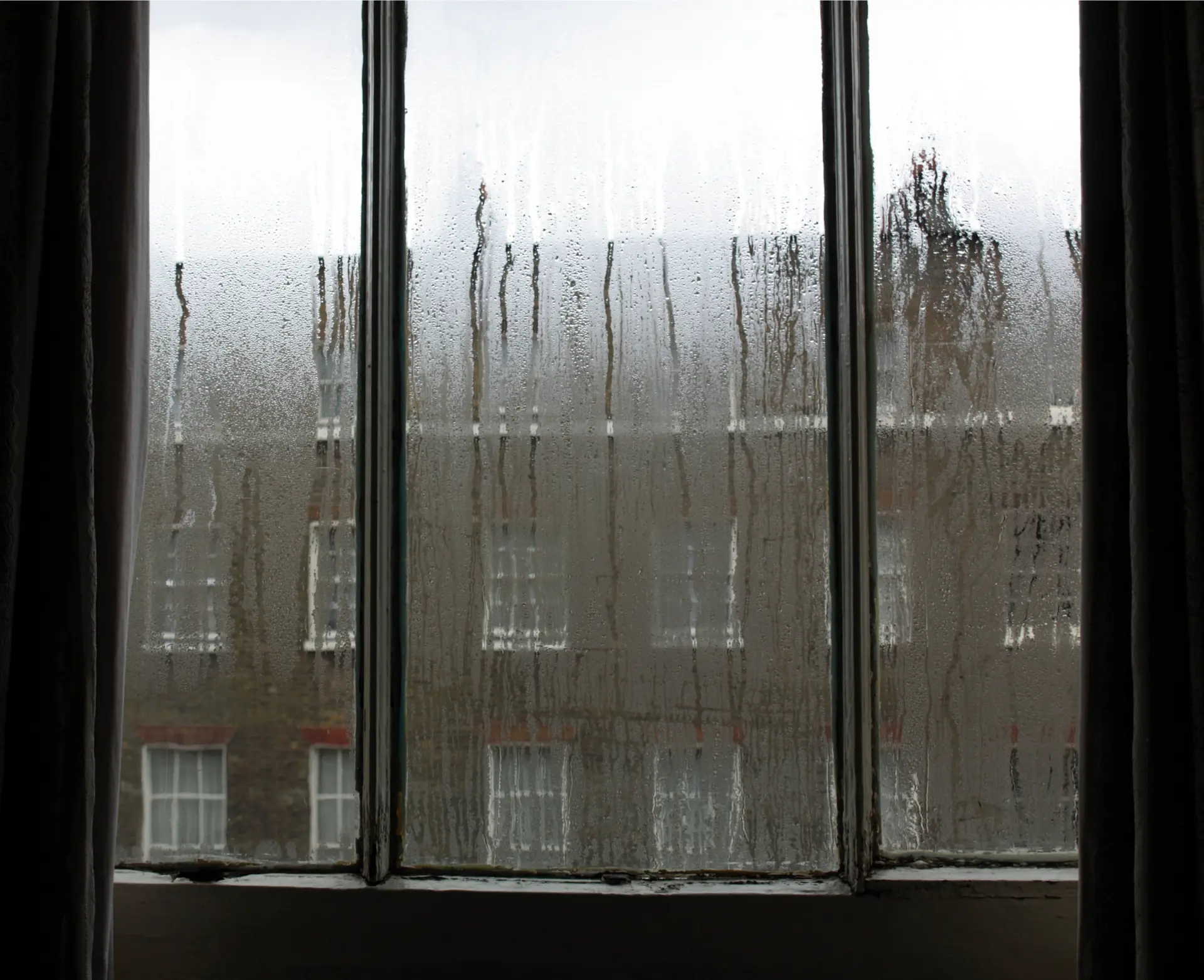
Condensation forms when warm, moist air meets a cold surface, such as the glass in your windows. The moisture in the air cools down and turns into water droplets. This is why condensation on windows is more common during the colder months, especially in winter when there is a big difference between indoor and outside temperatures.
Double-glazed windows are designed to reduce this problem. They use two panes of glass with a sealed unit between them, often filled with dry air or gas. This helps improve insulation and reduce heat loss. However, condensation can still form depending on humidity levels inside your home.
Activities such as cooking, showering, and even drying clothes indoors release water vapour into the air. If there is not enough ventilation, this moist air builds up and leads to condensation forming on a cold surface like window panes.
Understanding Where Condensation Appears
Condensation on your windows can appear in different places, and each one tells you something about the issue.
Condensation on the inside of the glass is usually caused by excess moisture in the air inside your home. This is the most common problem and often affects rooms like kitchens and bathrooms where warm, moist air is created.
Condensation on the outside of double-glazed windows may look worrying, but it is actually a sign of good energy efficiency. It shows that heat is staying inside your home and not escaping through the glass panes.
Condensation inside the sealed unit, between the panes of glass, is a more serious issue. This often means the seal has failed. When this happens, moist air gets trapped in the gap, leading to fogging that cannot be wiped away. In this case, the sealed unit will usually need replacing.
How Daily Habits Affect Condensation
Many everyday habits can increase moisture in the air without you noticing. Cooking without lids, long showers, and drying clothes indoors all add water vapour to the air inside your home. Over time, this can lead to ongoing condensation problems.
Simple changes can help reduce condensation. Keeping bathroom doors closed when showering, using extractor fans, and opening a window slightly can help remove moist air. Even wiping down wet surfaces and window frames each morning helps keep moisture levels under control.
Keeping a steady indoor temperature also helps. Sudden drops in temperature can make glass surfaces colder, which increases the chance of condensation forming.
The Role of Ventilation and Airflow
Good ventilation is essential to stop condensation on windows. Without proper airflow, moist air becomes trapped inside rooms and settles on cold surfaces.
Extractor fans in kitchens and bathrooms are one of the most effective ways to remove moisture from the air. Make sure they are working correctly and are used regularly. Trickle vents in window frames should also be kept open to allow a steady flow of fresh air.
Opening windows for short periods each day can make a big difference. This helps replace moist air inside with drier air from outside. Even in winter, a few minutes of fresh air can help reduce condensation without causing too much heat loss.
How to Reduce Condensation Long Term
To reduce condensation in the long term, it is important to manage both moisture levels and insulation in your home.
Improving your insulation helps keep the inner glass surface warmer. This reduces the chance of warm, moist air turning into water on contact. Upgrading to modern double glazing or even triple glazing can improve energy efficiency and reduce condensation issues.
If your windows are older, the seals may have worn out over time. A failed seal can lead to condensation inside the unit. In this case, replacing the sealed unit is often the best solution. While this may seem costly, it can save money in the long run by improving energy efficiency and lowering energy bills.
Dehumidifiers can also help by removing excess moisture from the air. They are especially useful in rooms where ventilation is limited.
Preventing Mould and Damage
Condensation is not just a cosmetic problem. If left unchecked, it can lead to mould growth and damage to window frames, walls, and surrounding areas. Damp conditions can also affect indoor air quality and lead to health issues.
To prevent this, it is important to clean and dry any condensation regularly. Pay attention to the corners of window frames where moisture can collect. Keeping these areas dry helps stop mould from forming.
Regular checks of seals and frames can also help you find problems early. If you notice cracks, gaps, or signs of wear, it is best to repair or replace them before the issue gets worse.
When to Replace or Repair Your Windows
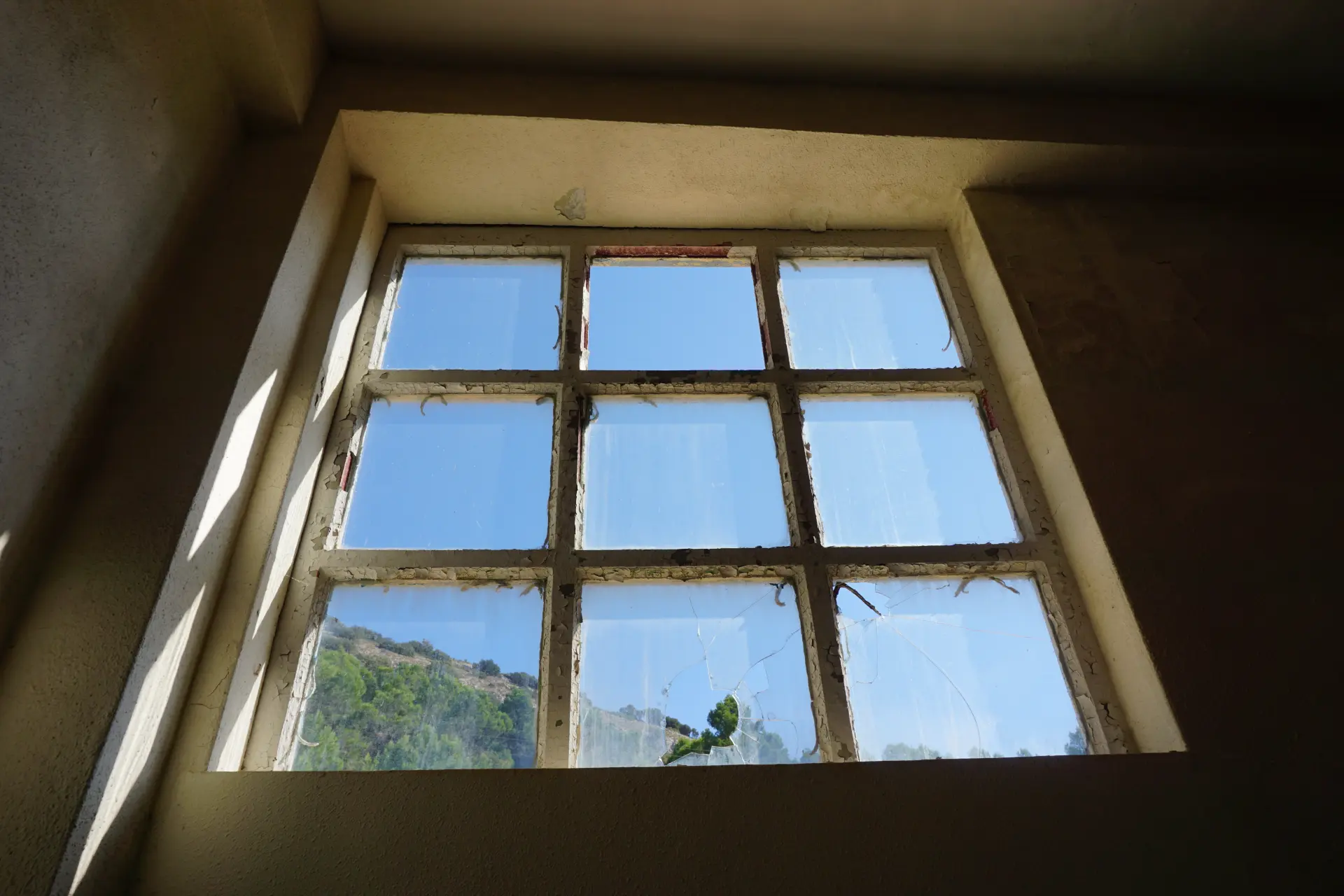
Sometimes condensation problems are a sign that your windows need attention. If you notice fogging between panes of glass, this usually means the sealed unit has failed. Unfortunately, this cannot be fixed with simple cleaning or ventilation.
In this situation, replacing the affected unit is the best option. A professional can assess the condition of your windows and advise whether repair or full replacement is needed. Modern double-glazed windows are designed to last, but like all parts of a home, they can wear out with age.
Stopping Condensation in Double-Glazed Windows: Final Thoughts
Condensation on double-glazed windows is a common issue in many homes, especially during colder months. By understanding the causes and taking simple steps to reduce moisture in the air, you can prevent condensation and protect your home.
Good ventilation, steady heating, and regular maintenance all play a key role. Whether it is wiping down glass each day, using extractor fans, or upgrading your windows, small changes can make a big difference over time.
We provide fast, reliable double-glazing repair services to restore clarity, warmth and security to your property. We can fix misted units, damaged seals, panes and more. Contact us today for glazing repairs in Halifax, Huddersfield, Bradford and West Yorkshire.