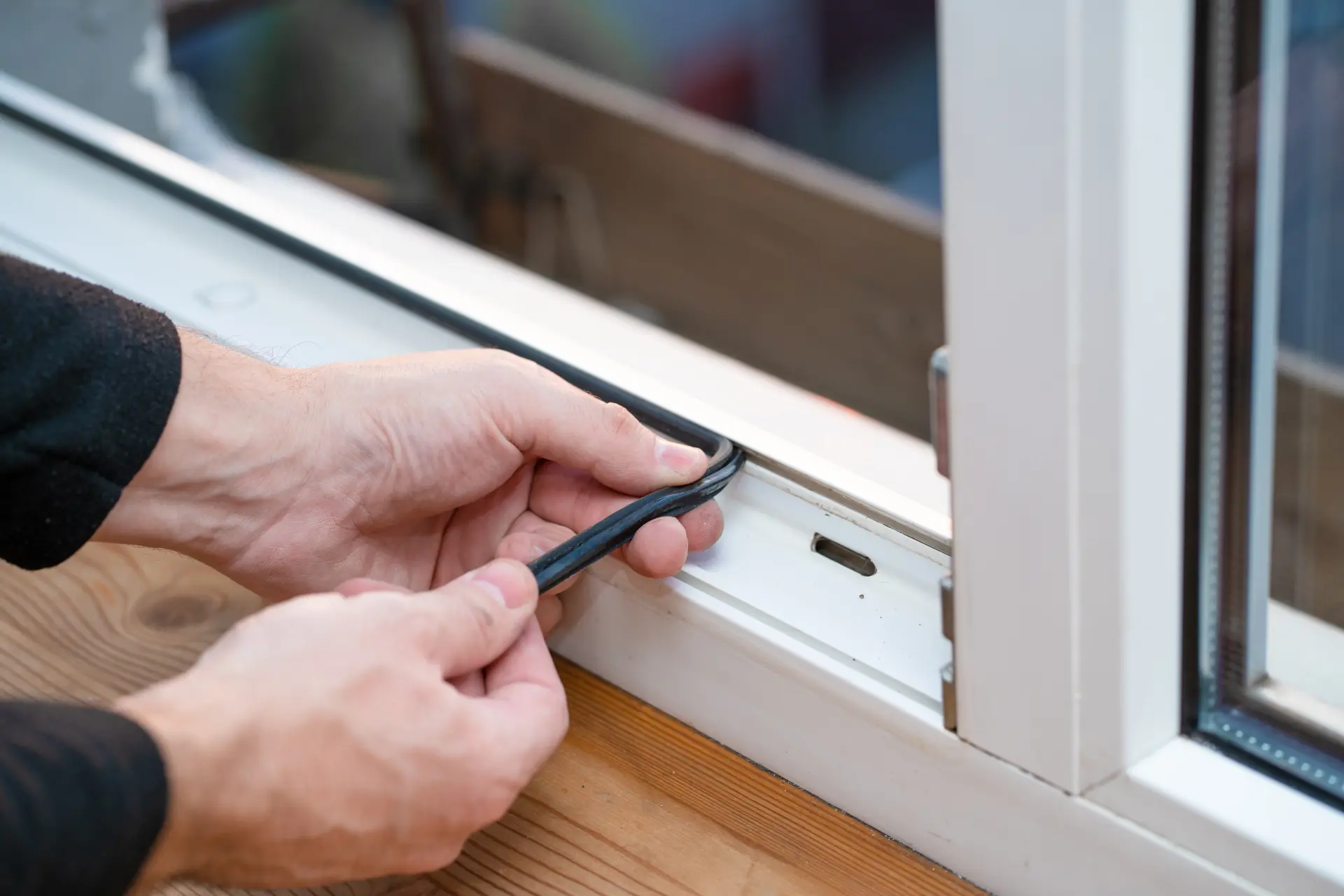
Windows play an important role in keeping your home warm, secure and comfortable. Over time, windows can become worn, damaged or less effective, which may lead to draughts, higher energy bills, poor insulation and reduced comfort. Knowing the signs that your windows need replacing can help you deal with problems early and improve the look, safety and performance of your property.
Replacing windows is not always something homeowners choose to do straight away. In most cases, people begin to think about window replacement when they have noticed a problem, such as condensation, leaks, noise, damaged seals or windows that are difficult to open. However, it is also important to understand when old windows are no longer worth keeping, even if they still seem to function.
New windows can make a huge difference to your home's comfort, energy efficiency, security and value. Modern windows are designed to reduce heat loss, improve sound insulation and help lower heating bills in the long run. Choosing replacement windows can also improve your home's appearance and make everyday use much easier, especially if your existing windows are stiff, drafty or in poor condition.
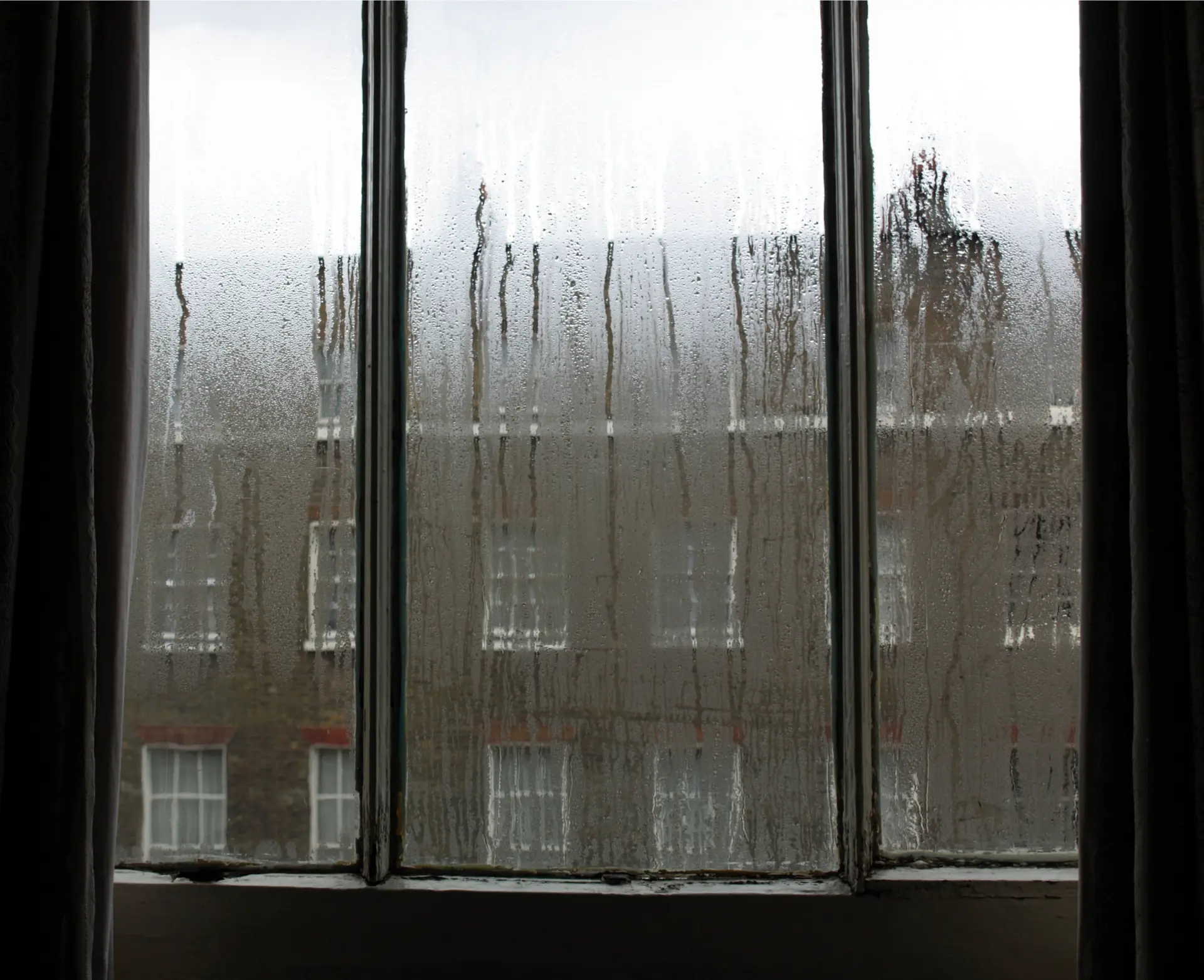
Condensation and misting between the panes
If you have double or triple glazing, you might sometimes see mist or fog trapped between the panes of glass. This is not the same as light condensation on the inside surface of the glass, which can happen in bathrooms, kitchens or any room with high humidity. Misting between the panes usually means that the seals around the unit have failed.
When the seals fail, the insulating gas or dry air that was keeping the unit energy efficient can escape. Moist air from outside can get inside the gap and form condensation between the panes. Once this happens, the glass often looks cloudy, streaky or permanently misted. Cleaning the inside or outside surface does not help because the problem is within the sealed unit itself.
This kind of condensation is a clear indication that the window is no longer performing as it should. The window glass will lose some of its insulating power, which means more heat can escape from your home. As time goes by, this can make the room feel colder and your central heating may need to work harder. This can lead to higher energy bills and make the window look tired and old.
If misting is affecting one or two units, you may be able to simply replace the glass without replacing the entire window. This can be a cost effective option if the frame is still in good condition. However, if many glazed windows are showing the same problem, or if the window frames are warped, rotten or damaged, replacing the complete unit may be the better choice.
Windows that are hard to open or close
Windows should open and close smoothly and safely. If you have to force a handle, lean your weight on the frame or slam the sash to get it shut, something is wrong. Stiff, sticking or jammed windows are not just a nuisance. They can be a sign that parts of the window are worn, damaged or out of alignment.
There can be several reasons for this. On older timber windows, the wood can swell, warp or rot, especially if the timber has not been maintained. On UPVC windows or aluminium windows, hinges and locking parts can wear over time, and screws may loosen, causing the sash to sag. Frames can also move slightly as the house settles, which can place strain on the moving parts.
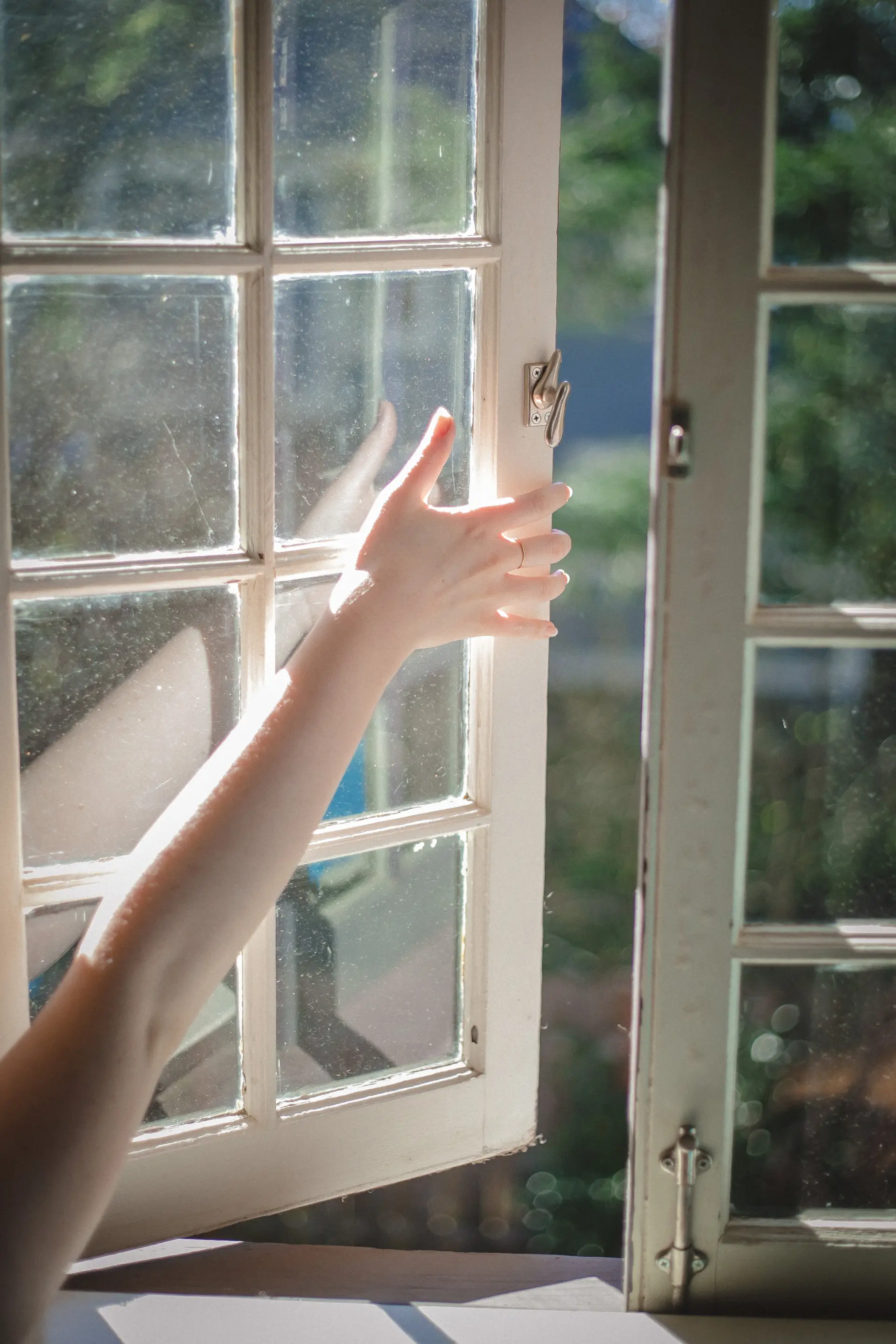
Windows that do not close properly can let in draughts, rain and noise. Small gaps around the seals make rooms feel colder and less comfortable.
If your windows draughty areas are close to where you sit or sleep, you may feel the problem more during winter or at night. In some cases, a repair may help. For example, lubricating hinges, fitting new seals or adjusting the sash may restore smooth movement.
However, if your windows are very old, broken, painted shut or difficult to open and close, it may be time to replace them. Struggling with stiff windows is more than a daily hassle. It can also be a safety risk in the event of a fire, especially if you cannot open them quickly to escape or let in fresh air. If you need to replace windows that no longer open safely, it is better to act sooner rather than later.
Rising energy bills and cold rooms
If your energy bills are going up and your home still feels cold, your windows could be part of the problem. Old windows, single glazed windows and single pane windows allow a lot of heat to escape. This means your boiler, heat pump or electric heater must run for longer to keep rooms at a comfortable temperature. Over a long period, this can increase your heating bills and place extra pressure on your budget.
You might notice certain rooms that never seem to warm up properly, even when the heating is on. You may feel cold air when you stand close to the window, or notice that the area around the glass feels much colder than the rest of the room. These are common signs that your windows are no longer doing a good job of keeping heat inside.
Simple checks can help you identify the issue. On a cold day, run your hand around the edges of the window frame and along the seals. If you feel air leaks, there may be gaps, faulty seals or poor insulation. You might also see light curtains move when the weather is windy outside. If you find yourself turning up the thermostat to compensate for cold rooms, replacing your windows could help reduce energy use.
Double glazing is often a good upgrade from single glazed windows because it uses two panes of glass with a gap between them. This gap may contain air or insulating gas, which helps slow heat transfer. Triple glazing adds another pane, giving three panes of glass and often better insulation. Double or triple glazing can support improved energy efficiency, reduce heating bills and make your home feel warmer.
Fading furniture and flooring from sun damage
If you notice that your sofa, curtains or wooden floor near your windows are beginning to fade, this might be a sign that your current glazing is not offering enough protection from the sun. Ultraviolet light can bleach fabrics, lighten wood and make colours look dull and worn.
Some fading is normal in very sunny rooms, especially during hot weather. However, modern windows often include special coatings that reduce the impact of the sun while still letting in plenty of natural light. Older windows may not have this technology, so your furniture, carpets and flooring take more wear over time.
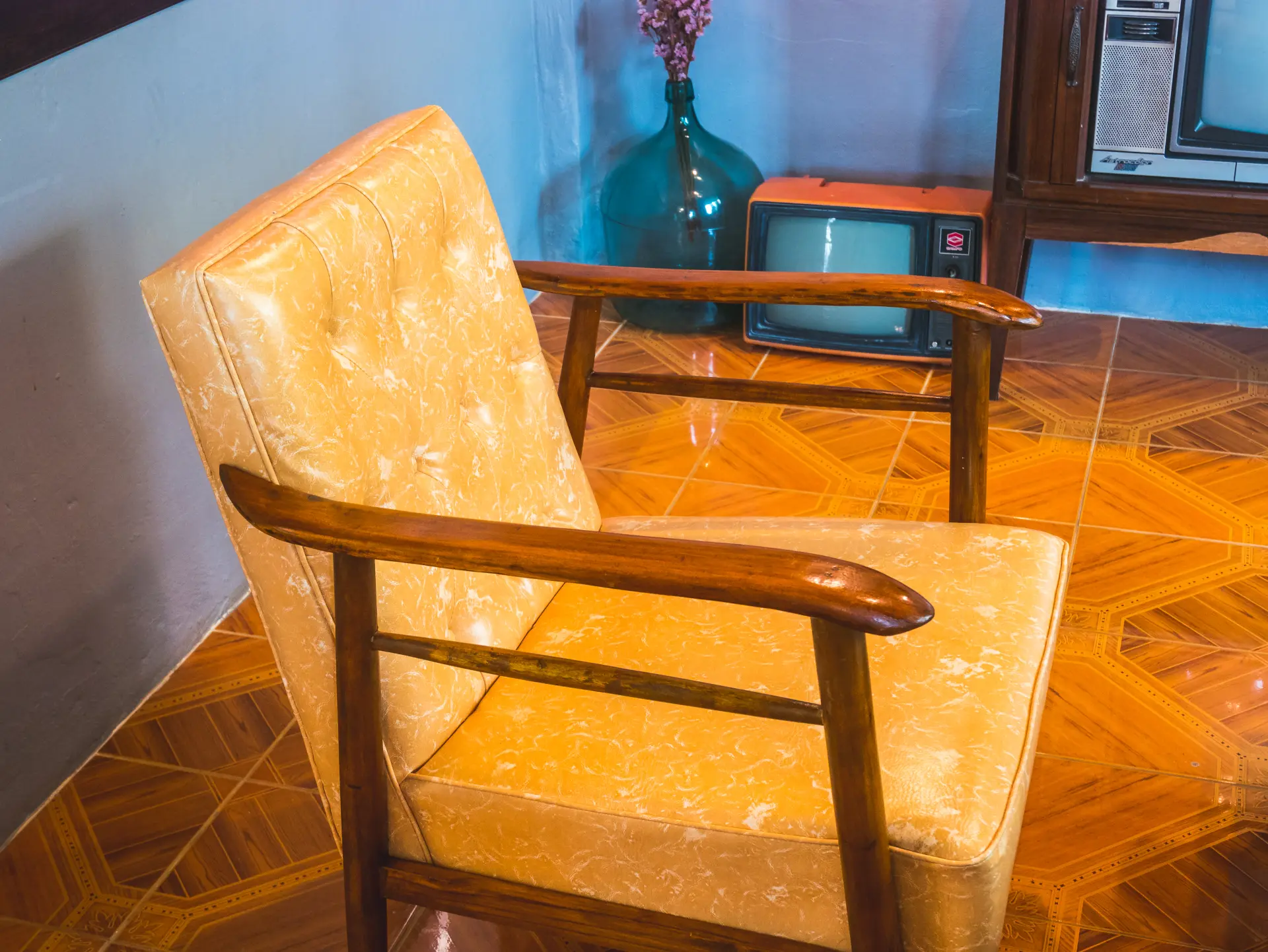
You might see a clear line where a rug has protected part of the floor, leaving the exposed area much lighter. You may also notice that curtains and blinds look patchy and faded near the glass. Replacing these items can be expensive, so it makes sense to deal with the cause as well as the result.
New windows with better glazing can help protect your belongings while keeping the room bright. They can also reduce glare and hot spots, making the space more comfortable throughout the day. This is one of the benefits of replacing old windows that is not always considered at first, but it can have a significant impact on how you enjoy your home.
Safety and security problems to watch for
Windows are an essential part of your home's security. If locks do not work properly, or if frames are weak or damaged, it can be easier for someone to break in. It is important to check that every window on the ground floor, and any window that is easy to reach from outside, can be locked securely.
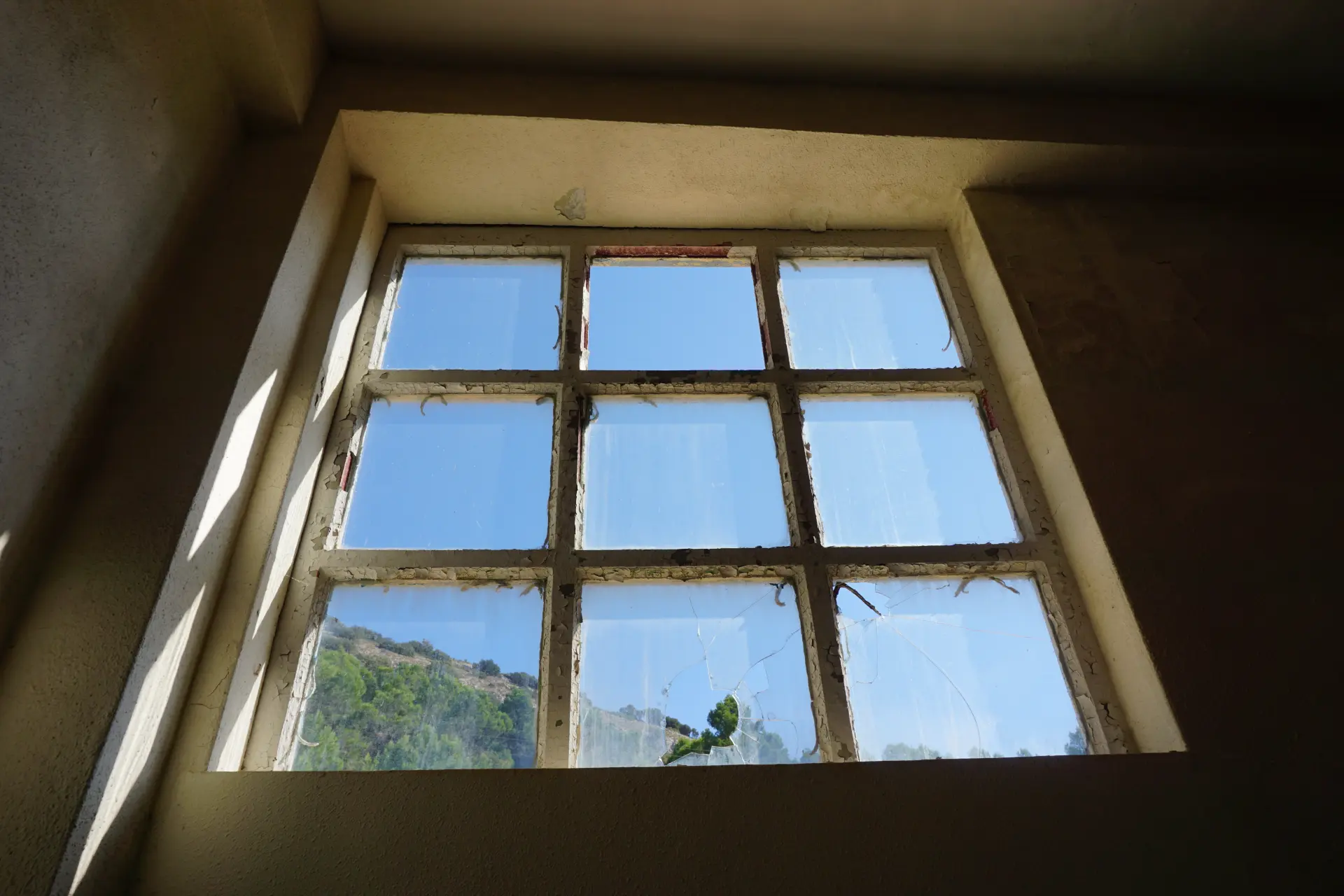
Look for signs of wear on handles, locks and hinges. If a key will not turn smoothly, or if the window can be pushed open even when locked, this is a serious concern. Rotten timber, cracked frames, loose panes or damaged glass can also make it easier to force a window open. Older windows were not always built with modern security in mind and may not offer the added peace of stronger locks and tougher glass.
Window safety is also about protecting those inside the home. Cracked, loose or rattling glass can pose a risk, especially in a home with children, pets or regular visitors. In an emergency, such as a fire, windows may need to be used as an escape route. If they are jammed, painted shut or too difficult to open, this could put lives at risk.
If you have any doubts about your window's safety or security, it is wise to get advice. Fitting new locks or safety catches may be enough in some cases. However, if the frame, seals and glass are in poor condition, full replacement is often the safest choice.
Damage to frames, seals and materials
The condition of the frame is just as important as the glass. Window frames help support the entire window and keep it sealed against the weather. If the frame is cracked, warped, rotten or pulling away from the wall, the window may no longer be protecting your home as intended.
Timber windows can last for many years if they are maintained, but timber can rot when paint breaks down and water gets inside. You may notice soft patches, flaking paint, holes, chips or areas where the wood has started to break apart. Once rot has spread, repair may only be a short-term answer.
UPVC windows usually need less maintenance than timber, but they can still fail. The seals can wear, the frame can become damaged, and the unit can lose its ability to insulate properly. Aluminium windows are strong and slim, but older aluminium units may not perform as well as modern designs. The right frame material will depend on your home's style, your budget, your maintenance plans and the level of insulation you need.
Faulty seals are another common issue. When seals around windows fail, draughts, leaks and noise can enter your home. Seals can also cause mist between panes if the sealed unit is failing. If a window has lost its seal, you may need a repair, but if the same problem has occurred across a number of windows, replacing them may be more sensible.
Noise from outside is getting worse
A good window should help keep your home quiet. If you live near a busy road, a school, shops, traffic lights or a noisy business, you may notice that older windows let in more sound than they used to. Noise can make it harder to sleep, work, read or relax.
Double glazing and triple glazing can both help with noise reduction. The gap between the panes of glass slows down sound, especially when the panes are different thicknesses or the unit has been designed for sound insulation. Double glazed windows are often a great choice for many homes, but triple glazing may be useful where outside noise is a constant issue.
If you can hear conversations, traffic or weather clearly through closed windows, this could be one way to tell that the windows are no longer performing well. New windows that are installed properly can make your home feel more peaceful and comfortable. They may not remove every sound, but they can reduce noise enough to make a noticeable difference.
Draughts, leaks and poor weather protection
Drafty windows are a clear sign that something is not right. If you can feel cold air around the frame, or if your curtains move when the window is shut, the seals may be failing. Draughts can make rooms uncomfortable and can lead to higher heating bills because warm air is escaping while cold air enters.
Water leaks are another warning sign. You may see damp patches, peeling paint, mould, swollen timber or marks on the inside wall. Leaks can be caused by poor installation, damaged seals, cracks in the frame or problems with the area around the window. Over time, water can cause damage that becomes more expensive to fix.
Poor insulation can also affect air quality. Damp and mould can make a room feel unpleasant and may cause concern for people who are sensitive to moisture. If you have noticed leaks, mould or a cold drafty area around your windows, it is important to check whether the problem can be fixed or whether window replacement is needed.
When repair is not enough
Not every problem means you need new windows. A single broken handle, a loose hinge or one failed glass unit can often be repaired. If the rest of the window is in good condition, repair may be the cheapest option and may extend the life span of the window.
However, repair is not always the best route. If the frame is damaged, the seals are failing, the glass is misted, the window is difficult to open, and the unit performs badly, the cost of repeated repairs can add up quickly. In that situation, replacing the window may offer better value.
As a guide, many homeowners start thinking about replacement after windows have been in place for 20 years, although this depends on the type of windows, the materials used, the weather they face and how well they have been maintained. Some windows may need replacing after 10 years if they were poor quality, badly installed or exposed to harsh conditions. Others may last longer if they are quality windows and have been well cared for.
Should you replace all windows at once?
You do not always need to replace all windows at the same time. If only one room has a problem, you may choose to replace your windows in that area first. This can help spread the cost and reduce disruption. However, there are advantages to replacing several windows together.
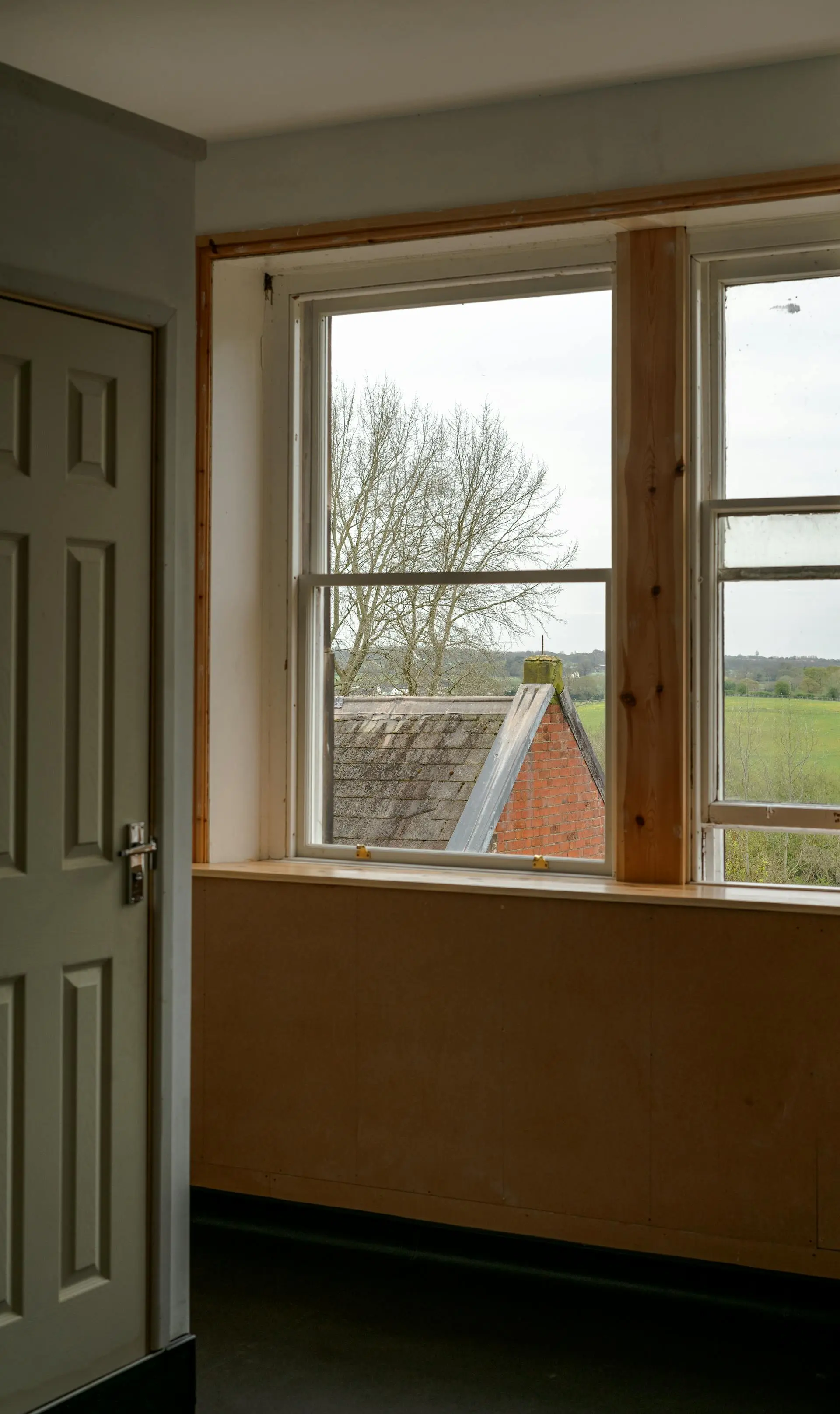
Replacing more windows at once can give your property a more consistent appearance. It can also help improve energy efficiency across the whole home, rather than only in one room. If scaffolding is needed, doing more of the work at once may also be more cost effective than arranging separate visits.
The answer depends on your budget, your home's condition and how urgent the problems are. A good installer should assess your existing windows, explain what needs to be done and help you choose a plan that suits your home. If you are unsure, ask whether any windows can be safely left for later and which ones should be replaced first.
Building regulations and proper installation
Window replacement must be done with care because building regulations can apply. In England, building regulations cover important matters such as safety glass, ventilation, fire escape routes, thermal performance and how the window is fitted. These rules are designed to protect homeowners and make sure the installation meets a minimum standard.
Building regulations are especially important if you are replacing windows in bedrooms, bathrooms, upper floors or areas close to doors. For example, some windows may need to provide a safe escape route in the event of a fire. Some glass may need to be safety glass if it is close to the floor or near doors. Ventilation also matters because windows help control moisture, humidity and air quality.
A qualified window fitter or installer should understand building regulations and ensure the work is completed properly. Poor installation can lead to draughts, leaks, misting, heat loss and security issues, even if the windows themselves are good products. This is why it is important to choose window installers with care.
When you compare window installation companies, look for clear information, warranties, good reviews and a proper measuring process. A trusted contractor should explain the installation process, the total cost, the expected time needed and whether the work will meet building regulations. You should also receive clear advice about the type of glazing, frame material and style that will best match your home.
Choosing between double glazing and triple glazing
Double glazing remains a popular option for many homes. Double glazed windows use two panes of glass, which helps keep heat inside and noise outside. For many homeowners, double glazing offers a good balance between price, comfort and performance.
Triple glazing includes three panes of glass and can offer stronger insulation in some situations. It may be considered if your home is in a colder area, near a busy road or if you want the highest level of sound and heat control. However, triple glazing is not always needed for every house, and the extra cost may not always provide the same level of benefit for every property.
Double or triple glazing should be chosen based on your home, your budget and your priorities. If reducing energy bills is your main concern, ask the installer to explain the energy rating of the windows and how much improvement you can reasonably expect. If noise is the main problem, ask about glazing designed for sound reduction.
Secondary glazing may also be an option in some homes, especially where original windows need to be kept for style or planning reasons. It involves adding another layer inside the existing window, which can improve insulation and reduce noise without replacing the original windows. This can be useful, but it may not solve every problem if the existing windows are in very poor condition.
Style, value and appearance
Windows affect the way your home looks from both inside and outside. Old windows can make a property look tired, especially if the frame is damaged, the glass is misted or the style no longer suits the house. New windows can improve appearance and may increase value, especially when they match the age and design of the home.
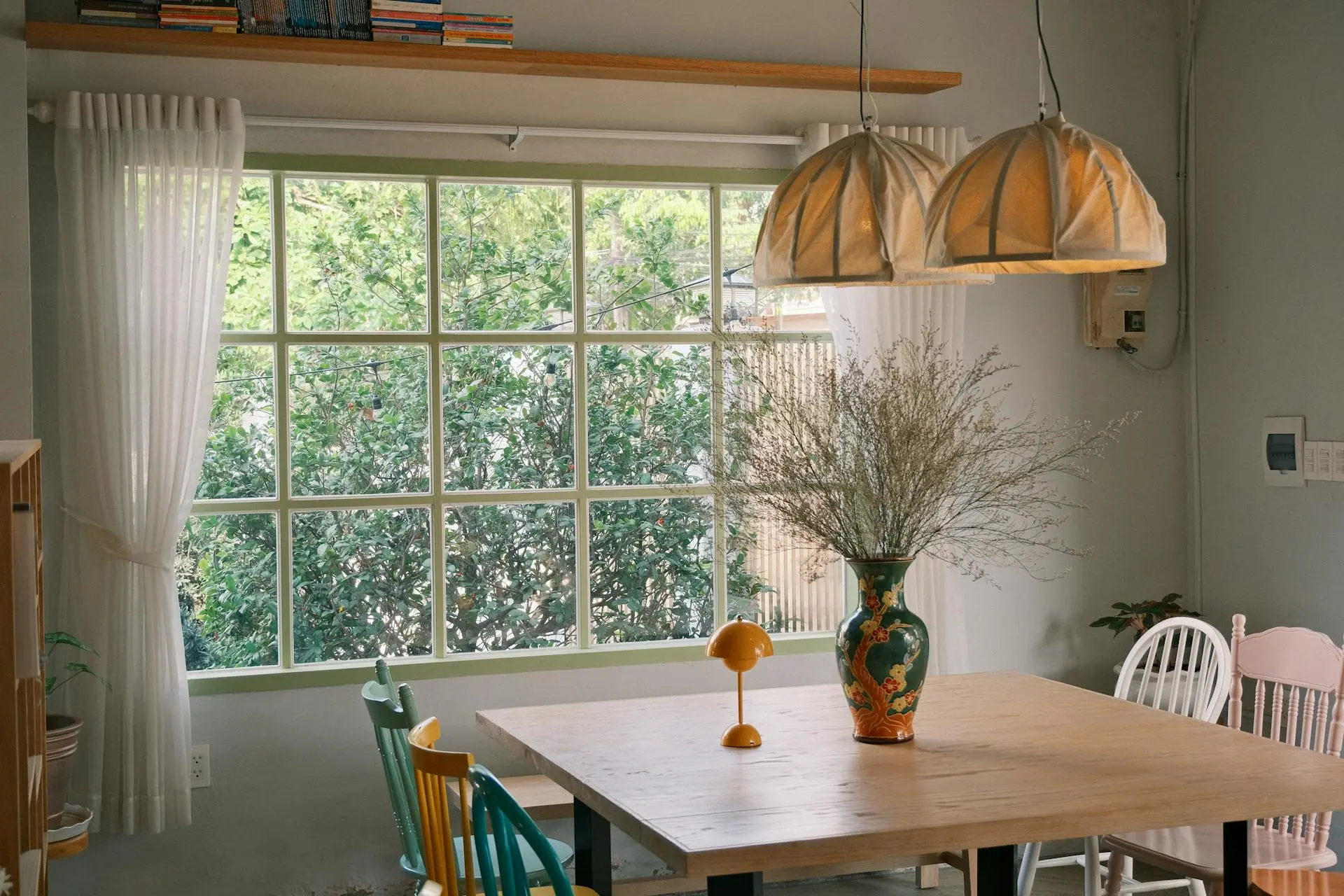
There is an extensive range of styles available, including casement windows, sash windows, tilt and turn windows, timber windows, UPVC windows and aluminium windows.
Some homeowners choose timber because it suits period homes. Others choose UPVC because it is usually lower maintenance. Aluminium can be a good choice for a clean, slim and modern look.
The style you choose should fit your home's character. It should also suit your lifestyle. For example, easy-clean designs may be useful for upper floors, while secure locking systems may be a priority for ground floor windows and doors. The best replacement windows are not just attractive. They should also perform well, be installed properly and be suitable for the way you live.
Cost, quotes and what affects the price
Window prices can vary a lot. The total cost depends on the number of windows, the size of each unit, the frame material, the type of glass, the glazing choice, the style, the property type and how difficult the installation will be. A large bay window will usually cost more than a small fixed window. Triple glazing will generally cost more than standard double glazing.
The cheapest option is not always the best value. Poor quality windows may cost less at first, but they may not last as long or perform as well. A low price can also mean corners are being cut during installation. In the long run, it is usually better to invest in quality, good workmanship and clear warranties.
It is a good idea to get more than one quote and compare what is included. Check whether measuring, removal of old windows, disposal, finishing, making good, doors, scaffolding and warranties are included in the price. Also check whether the installer will provide the information needed for building regulations. This helps you avoid extra charges later.
Some websites may ask you to agree to cookies before you can view window prices or request quotes. Cookies are commonly used on a website to remember choices, improve the user experience and help the business understand how visitors use the site. Before you add your email or contact details, read the information provided so you know what you are agreeing to.
How long windows should last
The lifespan of windows depends on the materials, installation quality, weather exposure and maintenance. Good double glazing can last for many years, but no window lasts forever. Over time, seals can fail, hinges can wear, handles can loosen and frames can become damaged.
Timber windows may have a long life if they are painted, sealed and maintained. However, if maintenance is left too long, water can get into the wood and cause rot. UPVC windows are generally easy to look after, but they can still suffer from worn seals, broken handles and failing glazed units. Aluminium windows can be strong and long lasting, but older units may not be as energy efficient as modern windows.
If your windows are over 20 years old and you have noticed several issues, it may be time to replace them. If your windows are closer to 10 years old but already failing, this may point to poor installation, low quality manufacturing or damage. Either way, the key is to look at how well the windows still perform, not just their age.
Signs you should not ignore
There are several signs that windows need attention. These include condensation between panes, draughts, leaks, broken locks, damaged frames, misted glass, higher energy bills, noise, difficulty opening, difficulty closing and poor security. If several of these signs happen at the same time, replacing the windows may be a worthwhile investment.

Another sign is when the home no longer feels comfortable. If a room is cold in winter, hot in summer, noisy during the day or hard to ventilate, the windows may not be doing their job. Windows and doors should help protect your home from the weather while still allowing fresh air, light and safe access when needed.
You should also be aware of small changes. A handle that is harder to turn, a slight gap, a small leak or a little mist inside the glass can all be early warnings. Acting early can stop the problem becoming more expensive. Waiting too long can lead to damage around the window, poor comfort and higher costs.
Do Your Windows Need Replacing?
Replacing windows is a big decision, but it can bring clear benefits. New windows can improve comfort, reduce draughts, lower noise, support energy efficiency and make your property more secure. They can also improve your home's appearance and help protect furniture, flooring and other items from sun damage.
The right choice depends on your home, your budget and the problems you want to solve. In some cases, a simple repair will be enough. In other cases, replacing the window is the safer and more cost effective option. If your windows are leaking, misted, hard to open, hard to close, drafty, broken or failing, it may be time to replace them.
Before making a decision, get clear advice from a trusted window fitter or installer. Ask about double glazing, triple glazing, double or triple glazing options, frame materials, building regulations, warranties and installation standards. Taking the time to choose well will help ensure your new windows perform properly and give you comfort, security and peace of mind for years to come.
We provide fast, reliable double-glazing repair services in Halifax, Huddersfield, Bradford and West Yorkshire to restore clarity, warmth and security to your property. We can fix misted units, damaged seals, panes and more to help you cut your heating bills down.