Signs your windows are no longer working well include draughts, condensation, and difficulty opening. Windows play an important role in keeping your property warm, secure and protected.
Over time, worn seals, damaged frames and failed glazing can reduce their performance. This article explains the common signs that your windows need to be replaced.
Draughts Around the Window Frames
A well-fitted window should have a strong seal between the frame, glass and the surrounding wall. When this seal weakens over time, outside air can enter the room through small gaps. Draughts can be caused by worn-out seals, damaged frames, loose fittings or poor installation, and older windows can also move over time, which creates spaces around the edges.
Wooden window frames can also swell, shrink or rot, while other frame materials can become damaged or misshapen. Cold air entering through the window can make your rooms feel uncomfortable, especially during winter. It can also cause your heating system to work harder in order to keep your property nice and warm. This can increase your energy usage and raise your heating bills.
Condensation Between the Glass Panes
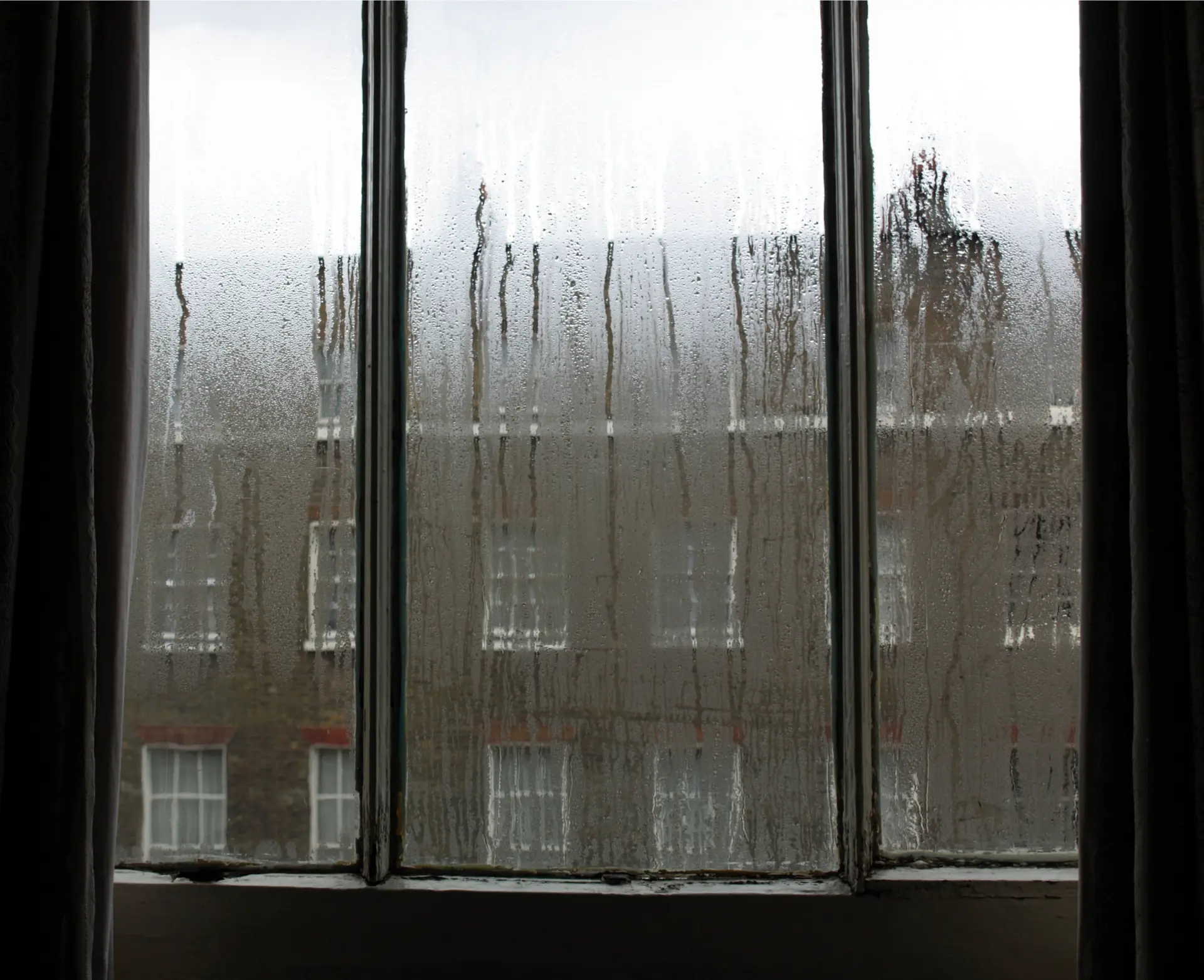
Condensation between the glass panes is a clear sign that your sealed window is no longer working properly. Double and triple glazing are designed with sealed spaces between the panes to help reduce heat loss and improve your insulation.
When the seal around the glass fails, moisture can enter the space between the panes. This moisture can appear as mist, droplets or a cloudy layer that can't be wiped away from either side of the window.
Condensation between the panes cannot be fixed by cleaning alone. Instead, the glass unit often needs to be fully replaced, and in some cases, the entire window may need to be replaced if the frame is also damaged.
Windows That Are Hard to Open or Close
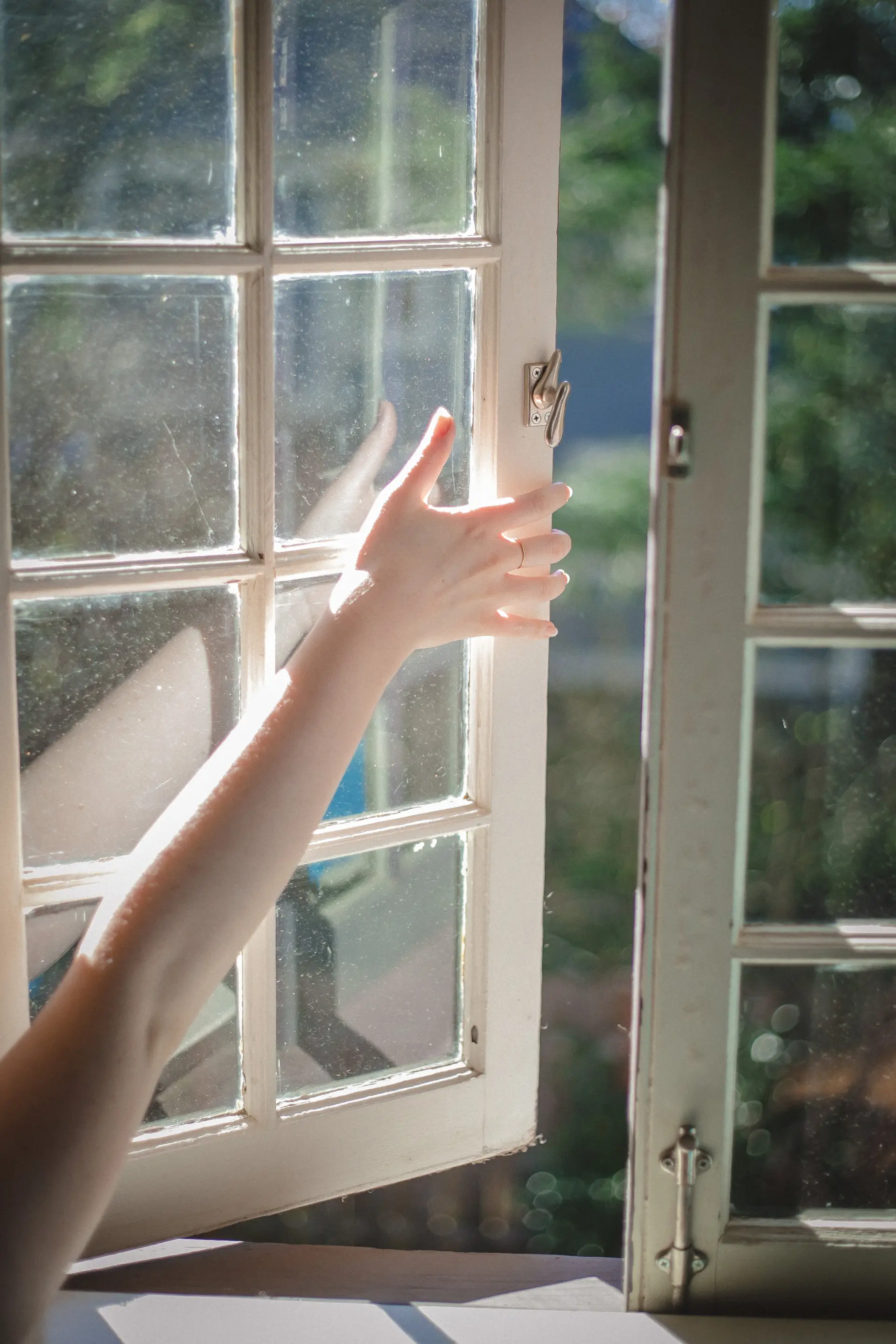
A window should open and close smoothly and firmly without needing excessive force. If you notice that your windows are hard to open, it may be due to swollen wooden frames, warped materials, damaged hinges or a build-up of dirt in the tracks.
In other cases, the window may have dropped within the frame, causing it to rub or catch. Faulty locks and handles can also make opening the window difficult, and a window that doesn't open or close properly can leave gaps around the frame.
These gaps can let draughts, rainwater and outside noise into the property, as well as reduce your security since the locking points may not engage fully.
Rising Energy Bills
Rising energy bills can be a big sign that your windows are no longer keeping heat inside your property. Well-fitted windows create a sealed barrier that reduces heat transfer between the inside and outside of your home. When the frames, seals or glass units become damaged, more heat can escape.
This heat loss may be caused by gaps around the frame, worn-out seals, cracked glass or poor double glazing, and as a result, your heating system may need to run for longer to maintain a comfortable indoor temperature. This increases your energy use and often leads to higher bills, especially during colder months.
Visible Cracks or Damage
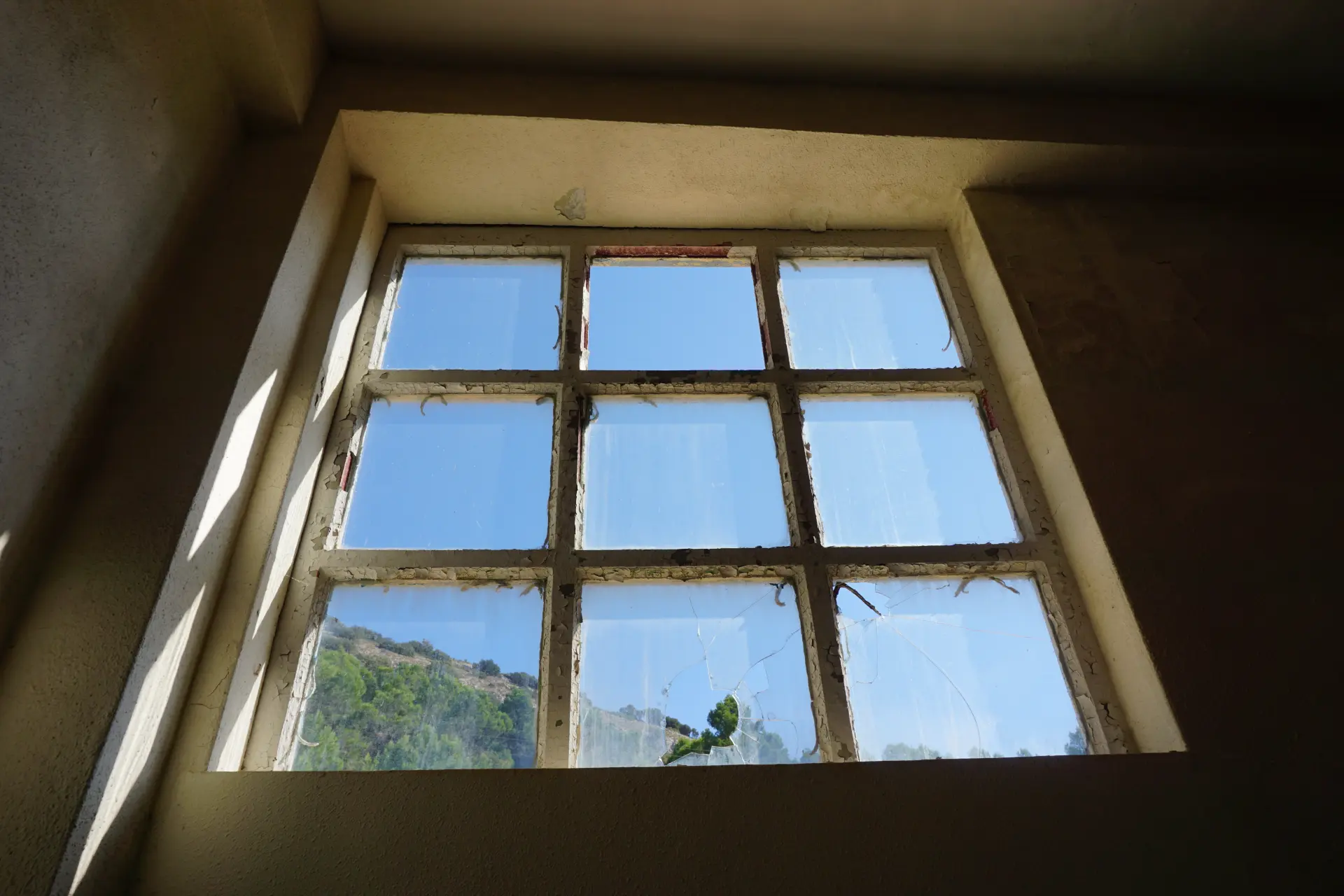
Cracks in the glass can weaken the window and spread over time, especially when the glass is exposed to changes in temperature or impact.
A damaged frame can also affect how well the window closes and seals, too. Warped, rotten or broken frames can create gaps that allow draughts, rainwater and outside noise to enter the property, and damaged seals can also reduce your insulation and cause condensation between the glass panes. Cracked glass can also become a safety risk since the sharp edges can become exposed if the damage worsens.
Water Leaks Around the Windows
Leaks around your windows are a clear sign that the window or its surrounding seal is no longer working properly. Leaks can be caused by cracked sealant, damaged frames, blocked drainage channels or a poor installation. Gaps between the window frame and the wall can also allow water to enter your home during heavy rain or strong winds.
Water around a window can damage the nearby plaster, paint, wallpaper and woodwork, and if the problem continues, damp patches and mould can begin to develop. Moisture can also weaken the timber frames and reduce the window’s ability to open, close and seal correctly.
Outside Noise Is More Noticeable
Windows are supposed to help reduce outside noise by creating a barrier between the inside and outside of your property. Double or triple glazing also uses separate panes and sealed spaces to limit the noise transfer, too.
If your seals become worn out, the frames become damaged, or gaps form around the window, more sound can enter the room.
Failed glazing units can also provide less noise reduction, and in this case, you may notice more traffic noise, voices, aeroplanes or other outdoor sounds, even when the windows are fully closed. This can make your rooms feel less comfortable, especially in the evening or at night.
Cold Spots Near the Windows
Cold areas near your window can be caused by worn seals, gaps around the frame, damaged glazing or a poor installation. Older single-glazed windows can also lose more heat than modern double or triple glazing, and if the sealed space between the glass panes fails, the window may provide less insulation.
In this case, you may notice that the air feels colder near the window, even when the heating is on. The nearby walls, curtains or furniture may also feel cooler than the rest of the room, which can make the space feel less comfortable and cause the heating system to work harder.
Faded Furniture or Flooring
Sunlight contains ultraviolet radiation and visible light, both of which can gradually break down dyes, fabrics, wood finishes and other surface materials over time. Modern glazing can include laminated glass, special coatings or films that are designed to reduce the amount of ultraviolet radiation entering a room. If these layers become damaged, your nearby items, furniture and floors can fade quicker.
Older windows can also provide less protection than newer glazing products, so you may notice uneven fading on your carpets, curtains, wooden floors, sofas or any artwork placed near the window. However, some fading can still happen even when your windows are working correctly, especially in rooms that are exposed to strong, direct sunlight.
Loose, Warped or Rotting Frames
Loose, warped or rotting frames are clear signs that your windows are no longer working properly. The frame is meant to support the glass, hold the window in place and create a secure seal around the opening. A loose frame can move when the window is opened or closed, which can affect the hinges, locks and seals, making the window harder to use.
Warped frames can also stop the window from closing evenly, which can leave gaps behind that let draughts, water and outside noise enter the home. Rot is the most common issue in wooden frames since it can soften the timber, weaken the structure and cause parts of the frame to break away. If the rot is left untreated, the damage can spread and affect the surrounding wall. Minor damage can sometimes be repaired, but serious warping, movement or rot can require the window to be fully replaced.
Locks and Handles No Longer Work Properly
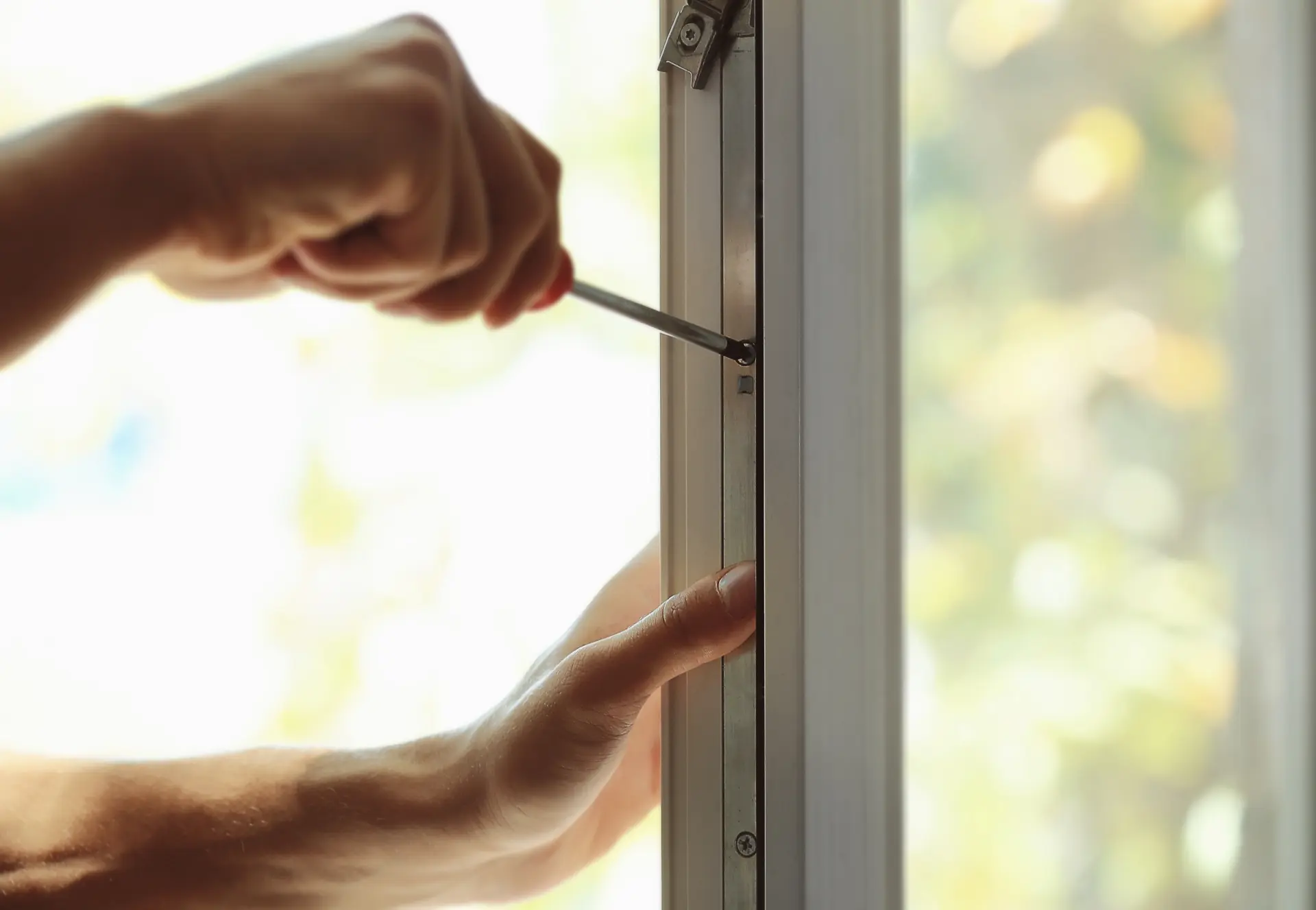
A working handle should move smoothly, while the lock should close fully and hold the window securely in place. Any problems with these features may be caused by loose screws, worn-out parts, damaged locking points or a window that has dropped within the frame.
Forcing a stiff handle open can damage the window and make it difficult to open or close, and a faulty lock can reduce your security since the window may not shut firmly. It can also leave small gaps around the frame, which can allow draughts, rainwater and outside noise to enter.
The Glass Feels Cold to the Touch
Glass that feels cold to the touch is often a sign that it's not providing enough insulation. Windows should help reduce the heat transfer between the warm air inside and the cold air outside your property. Single glazing often feels colder than double or triple glazing simply because it has less insulation. However, cold glass in a modern window may indicate there are issues like failed seals, damaged glazing or a poor installation.
If the sealed space between the panes is no longer effective, more heat can escape through the window. Cold glass can also make the area near the window feel uncomfortable and contribute to cold spots in the room. It can also increase the risk of condensation forming on the inside of the window, too. A professional inspection can confirm whether the glazing unit, seals or frame need repairing or replacing.
When to Consider Window Replacement
You should consider having a window replacement service done when repairs no longer fix the problem. The main signs it's better to replace the window, rather than repair it, are: draughts, condensation between the glass panes, water leaks, damaged frames, faulty locks and windows that are difficult to open or close.
A replacement service may also be suitable if the glass is cracked, the frames are badly warped or rotten, or if the windows provide poor insulation. New windows can improve your insulation, security, weather protection and ease of use, and they can reduce your exposure to outside noise and help keep your indoor temperatures stable.
John's Glass and Glazing provides window replacement services for homes and businesses. Our services include removing old or damaged windows and replacing them with secure, well-sealed versions. New windows can improve your insulation, weather protection, security and comfort.