What Is a Double-Glazed Window Seal and How Does It Work?
A double-glazed unit is a factory-made assembly rather than two unrelated panes placed in a frame. A spacer bar holds the glass sheets apart and creates a cavity of controlled width. The spacer commonly contains desiccant, a drying material that absorbs the small amount of residual moisture left during manufacture. Primary and secondary edge seals bond the assembly and limit gas and water-vapour movement.
The cavity may contain dry air or an insulating gas such as argon. Many modern units also use a low-emissivity coating that reflects long-wave heat while admitting daylight. These elements work together: the panes provide separation, the cavity reduces conduction and convection, and the coating limits radiant heat transfer. The perimeter seal is therefore essential to both moisture control and predictable thermal performance.
The sealed unit is supported inside a sash or fixed frame on setting blocks, with beads and gaskets or glazing sealants holding it in position. The frame manages wind loads and drains incidental water away from the glass edge. It does not create the hermetic cavity itself. This is why misting can occur while the frame still looks sound, and why a glass-unit replacement may solve the problem without removing the frame from the wall.
No edge seal is perfectly impermeable forever. Its job is to keep moisture ingress and gas loss within acceptable limits over a long service life while tolerating heat, cold, sunlight, pressure and movement. Good manufacture and installation protect the edge system from standing water and excessive strain. When that protection fails, the desiccant eventually saturates and visible condensation develops inside the space that should remain dry.
Common Causes of Double-Glazed Window Seal Failure
Age is a common contributor because sealants experience years of expansion and contraction. Sun heats the glass and cavity during the day; temperatures fall later, changing pressure within the unit. Repeated cycles slowly test the bond between glass, spacer and sealant. Strong ultraviolet exposure and high temperatures on sunny elevations can accelerate material ageing, although a well-made unit is designed to tolerate ordinary weather for many years.
Standing water at the glass edge can shorten service life. Blocked drainage slots, failed external gaskets, deteriorated glazing tape or incorrectly positioned setting blocks may leave the sealed unit sitting wet. Water does not need to flood the cavity immediately; prolonged exposure increases the demand on the secondary seal. Timber frames with neglected coatings and poorly sealed joints can create similar moisture pathways around the perimeter.
Mechanical stress also matters. A warped sash, dropped opener, building movement or unit fitted too tightly can pull or press against the edge seal. Incorrect packers may leave the glass unsupported, while overdriven beads can create local pressure. Wind loading is more demanding on large panes. If several replacement units fail in the same position, the frame, drainage and installation method should be investigated instead of treating each failure as unrelated bad luck.
Damage during manufacture, transport or fitting may create a weakness that emerges later. A scratched edge, contaminated sealing surface or mismatched components can reduce durability. Drilling holes as a mist-removal treatment deliberately breaches the original construction, and unsuitable aftermarket film can increase temperature stress. The visible seal failure may therefore be the final stage of a longer process involving materials, environment, support and maintenance.
Warning Signs That a Window Seal Has Failed
Condensation, mist or droplets between the panes are the clearest signs because the surfaces inside a sealed cavity cannot be wiped from either side. The appearance may come and go with weather conditions: a unit can look clear on a warm afternoon and fog again during a cool morning. Intermittent misting still indicates moisture inside; it does not mean the seal has repaired itself.
As failure progresses, a cloudy film or mineral-like deposits may remain after the droplets disappear. Moisture repeatedly evaporates and dries on the inaccessible glass faces, leaving contamination that reduces clarity. Decorative bars may appear discoloured and metal spacers can show staining. In some units, the spacer may move or the panes may show unusual distortion, although visual distortion alone can also result from normal pressure and temperature changes.

Comfort and performance clues are less conclusive but still useful. The inside surface may feel colder, downdraughts may become more noticeable, or the area beside the window may be harder to heat. A draught at the opening joint, however, often points to gaskets, hinges or sash adjustment rather than the sealed unit. Surface condensation on the room-facing pane may reflect indoor humidity and ventilation, not seal failure.
Confirm where the moisture sits before arranging work. Clean and dry both accessible faces, then observe whether the haze remains trapped within the unit. Photograph it when most visible and note which windows, elevations and times are affected. A glazier can inspect the edge, frame drainage and neighbouring units. Early diagnosis helps distinguish one failed component from a repeated installation problem or a wider condensation issue within the home.
Why Condensation Appears Between the Glass Panes
Air always contains some water vapour. In a functioning sealed unit, the cavity begins dry and the desiccant captures residual moisture. If the perimeter seal allows humid air to enter, the desiccant absorbs more vapour until its capacity is exhausted. Moisture then remains available inside the cavity. The defect may be tiny, but repeated pressure and temperature changes can draw in enough humid air over time.
Condensation forms when an internal glass surface cools below the dew point of that trapped air. Overnight temperatures, shaded elevations and cold weather often make misting more visible. Sunlight may warm the unit and evaporate the droplets later, so the window appears to clear. The water has not necessarily left; it has simply returned to vapour and can condense again when conditions change.
This mechanism differs from condensation on the room side. Indoor droplets can be wiped away and are influenced by cooking, bathing, drying clothes, heating and ventilation. Exterior condensation can occur on high-performing glass because the outer pane stays cold, and it is not automatically a defect. Moisture between the panes is distinctive precisely because neither accessible surface is wet when the internal haze is visible.
Drilling vents or inserting drying material may reduce the appearance temporarily, but it does not recreate a factory-sealed, gas-controlled cavity. Internal deposits can remain, and the thermal specification is not reliably restored. The durable solution is normally a new sealed unit, accompanied by correction of any blocked drainage, failed gasket or support problem that contributed to the original seal’s deterioration.
How a Failed Seal Affects Your Home’s Energy Efficiency
Seal failure changes the carefully controlled conditions inside the glazing cavity. Insulating gas can diffuse or escape while ordinary humid air enters. Moisture and altered gas composition can increase heat transfer, and internal convection may change as the unit’s temperature and pressure behaviour becomes less predictable. The window does not instantly become a single sheet of glass, but it can no longer be assumed to meet its original declared performance.
Low-emissivity coatings usually remain physically present on the glass, yet the overall system depends on more than the coating. Spacer design, cavity width, gas fill and dry internal surfaces all contribute to the unit’s U-value. Condensation and deposits also reduce light quality, potentially leading occupants to use artificial lighting more often. The practical effect varies with unit size, weather exposure and the severity and duration of failure.
One misted pane may have a modest effect on whole-house energy consumption, so exaggerated savings claims should be treated cautiously. Nevertheless, multiple failed units increase unwanted heat loss and can create cold zones that reduce comfort. People often compensate by heating rooms more aggressively. Cold internal surfaces may also raise the risk of room-side condensation at edges when indoor humidity is high, creating a separate moisture-management concern.
When replacing the unit, compare specifications rather than relying on labels such as “energy glass.” Ask about low-emissivity coating, gas fill, spacer type and the performance value appropriate to the product. Ensure the new build-up fits the existing frame and does not obstruct drainage. Combining a correctly specified unit with sound gaskets, aligned sashes and sensible ventilation restores comfort more reliably than treating mist alone.
Can a Failed Double-Glazing Seal Be Repaired?
The original perimeter seal is part of a factory-built assembly and is not normally restored by applying sealant around the visible frame. The failed pathway may be hidden beneath beads or within the unit edge, the desiccant may be saturated and insulating gas may already be lost. Smearing new sealant externally can interfere with drainage without drying the cavity or rebuilding the bonded edge system.
So-called defogging services may drill small holes, circulate air or cleaning solution and fit vents. They can improve appearance in selected cases, but homeowners should understand the limitation: the process does not usually return the unit to its original sealed and gas-filled thermal specification. Guarantees should state clearly whether they cover only visibility or also moisture recurrence and energy performance. A cosmetic treatment is not equivalent to remanufacturing.
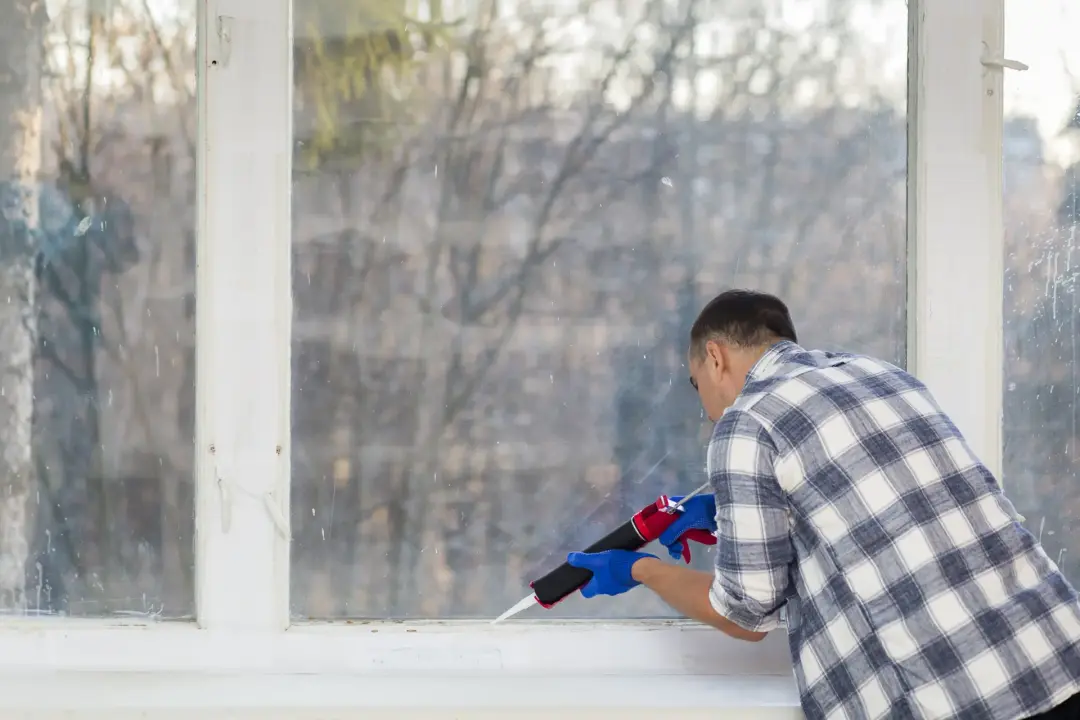
The standard durable repair to the window is replacement of the failed sealed unit. A manufacturer builds new panes, spacer, desiccant and edge seals to the measured size; the glazier installs that component in the existing sash. Calling this a repair is reasonable because the rest of the window remains. It is also why homeowners should be wary of quotations that jump straight from misting to complete frame replacement.
Before ordering glass, the fitter should check why the seal failed. Clearing drainage slots, renewing a damaged gasket, correcting packers or realigning a sash can protect the new unit. If the frame traps water or continues to distort the glass, component replacement alone may repeat the problem. The best repair therefore combines a new sealed unit with whatever limited remedial work is needed around its supporting system.
When Should the Sealed Glass Unit Be Replaced?
Replacement is appropriate when condensation is confirmed between the panes and is persistent, recurring or obstructing the view. Once moisture has entered and the desiccant is saturated, the unit cannot be relied upon to recover. A failed unit should also be renewed when internal deposits, corrosion, spacer movement or reduced comfort have become unacceptable, even if mist only appears during particular weather.
Cracks, chips reaching the edge and loose internal components create stronger reasons to act promptly. A pane with structural damage presents a safety issue in addition to seal failure. Units in bedrooms, escape windows, doors, low-level glazing or areas above public routes may deserve higher priority because safe operation and impact risk matter. A professional can advise whether temporary protection is required while made-to-measure glass is produced.
Timing can also be influenced by warranty, access and planned maintenance. Report early failure before disturbing the window, since the installer or manufacturer may need photographs, date records or an inspection. If scaffolding is already planned for roofing or decoration, grouping high-level unit replacements may reduce access costs. Several failed panes of similar age can be surveyed together without assuming every clear unit needs premature replacement.
Do not wait solely for winter if the cavity is visibly wet or glass is deteriorating, but avoid panic over a faint, occasional haze that has not yet been confirmed as internal. Clean the accessible surfaces and obtain a diagnosis. The decision should balance safety, visibility, comfort, performance, guarantee status and likelihood of further damage. Replacement is preventive maintenance when the sealed component has demonstrably reached the end of useful service.
Is It Necessary to Replace the Entire Window?
Usually not. The sealed glass unit is removable from many uPVC, timber and aluminium systems, while the wall-fixed frame and opening sash remain in place. If the frame is square, secure, well drained and in good condition, fitting new glass is less disruptive and normally less expensive. It also avoids discarding serviceable hardware and frame material merely because one bonded glass component has failed.
Complete-window replacement is justified when problems extend beyond the glass. Rotten timber, fractured uPVC, extensive aluminium corrosion, failed corner joints, persistent water penetration or severe distortion can prevent a new unit from being supported and sealed correctly. Obsolete hardware, poor security, unusable ventilation or an opening that no longer meets the household’s needs may strengthen the case, particularly when several components require work at once.
Energy improvement needs careful evaluation. A modern sealed unit can improve glass performance, but an old uninsulated frame or leaky opening may still limit the whole window. Conversely, replacing the frame may deliver little value if it is already airtight and thermally competent. Ask suppliers to explain which measured defects the full replacement solves, what performance is promised and whether a glass-only option has been assessed.
Planning and building-control considerations can differ for full windows, especially in listed buildings, conservation areas or where escape, ventilation and safety-glazing provisions apply. In England and Wales, competent-person installers can self-certify qualifying replacement work; rules differ elsewhere in the UK. A like-for-like sealed-unit swap may be treated differently from changing the full window, so confirm local requirements rather than relying on a sales assumption.
What Does Repairing a Failed Window Seal Cost?
For most homeowners, the relevant price is the cost of replacing the sealed unit, because simply resealing the visible perimeter does not restore the component. Indicative UK guides published in 2026 commonly show roughly £75 to £300 for a standard fitted unit, depending on size and local minimum charges. Treat that as a broad planning range: an on-site survey and exact specification are required for a reliable figure.
Specialist glass moves the price upward. Toughened and laminated safety products, acoustic builds, solar-control coatings, privacy patterns, decorative lead, internal Georgian bars and shaped panes all add material or manufacturing cost. Large or thick units are heavier and may need extra labour. Scaffolding, difficult parking, restricted rear access or work above a conservatory can cost more than the glass itself on a small job.
Defogging may be advertised at a lower price, but compare the outcome and guarantee rather than the invoice alone. Ask whether the process restores a sealed gas cavity, removes internal staining and carries a meaningful recurrence warranty. A cheap cosmetic clearing that leaves degraded thermal performance is not directly comparable with a new manufactured unit. Full-frame replacement, meanwhile, usually starts in the hundreds and can exceed £1,000 for larger or complex windows.
Request itemised quotations showing glass specification, labour, access, VAT, waste disposal and any gasket or drainage repairs. Confirm whether the price includes a second visit after measurement and whether multiple units attract a reduced call-out cost. Check warranties before commissioning work. The best-value quotation is the one that addresses the cause, supplies the correct unit and gives clear responsibility if misting returns.
How to Protect Double-Glazed Window Seals from Future Damage
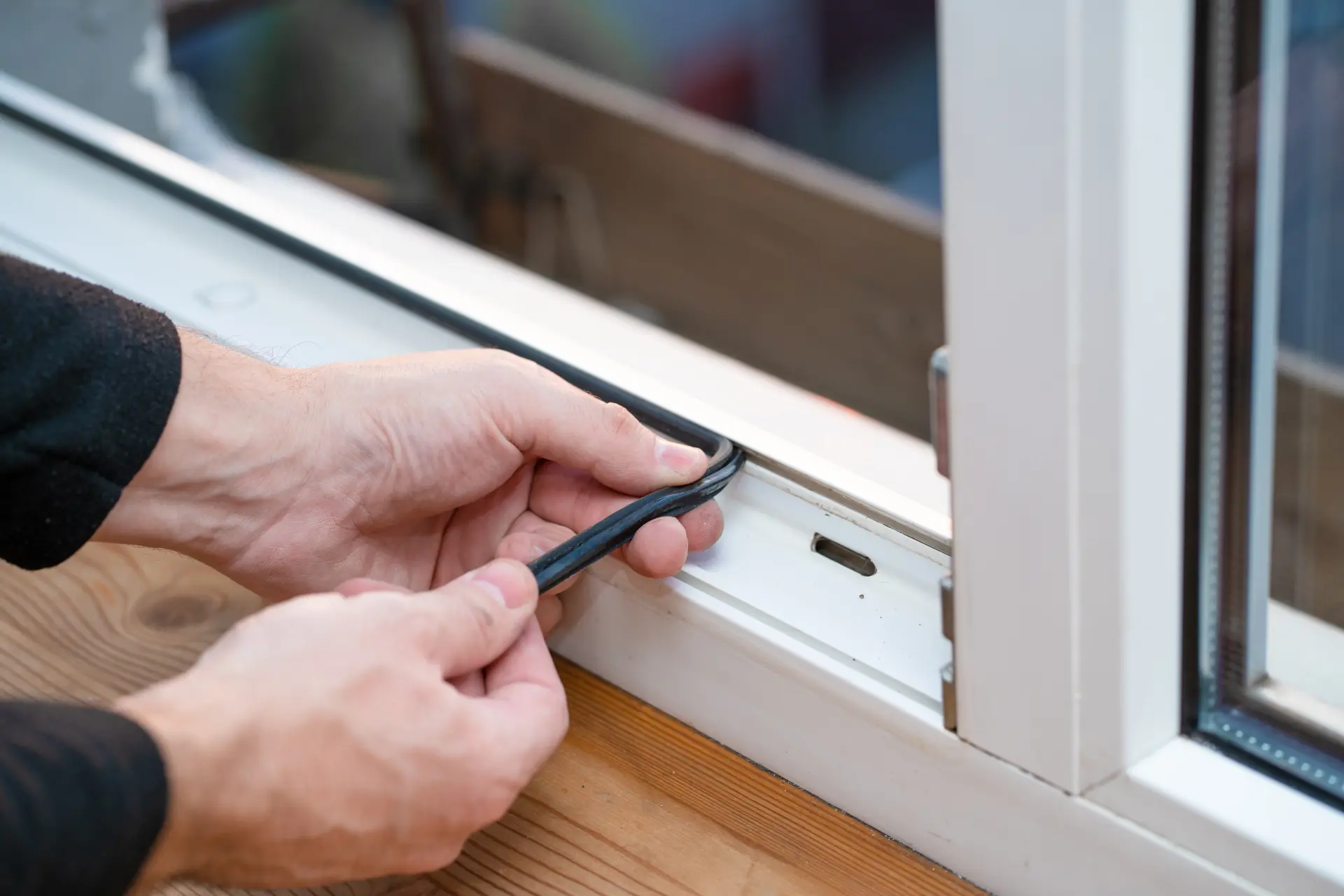
Keep the frame’s water-management features working. Clear drainage slots and weep holes gently, remove leaves and debris from sills, and investigate water that sits persistently against the glazing edge. Do not block designed outlets with paint, filler or silicone. Timber frames need sound coatings and joints so rain is directed away rather than absorbed around the rebate. Follow the manufacturer’s maintenance guidance for the particular window system.
Operate windows carefully and correct mechanical faults early. A sash that drops, catches or needs force can twist the sealed unit and strain its perimeter. Service hinges, handles and locking points, and have packers checked if alignment repeatedly changes. Avoid pressure washing close to gaskets and do not use sharp tools or aggressive solvents during cleaning. Gentle care protects both weather seals and the concealed insulated-glass edge.
Control avoidable heat stress. Check compatibility before applying solar film, reflective foil or large dark stickers, particularly to south- and west-facing glass. Leave ventilation space behind blinds and bulky furniture so one region of the pane does not remain much hotter than another. External shading designed for the building can be safer than attaching heat-absorbing material directly to the glass.
When a unit is replaced, insist on correct measurement, edge support and drainage rather than choosing on price alone. Ask for the new glass specification and guarantee in writing, then retain the installer’s details. Monitor repeated misting patterns: failures clustered on one elevation or in one opening may reveal a frame or installation defect. Early investigation prevents a new sealed unit from inheriting the same damaging conditions.
John's Glass and Glazing provides window replacement and repair services for homes and businesses. Our services include removing old or damaged windows and replacing or repairing them with secure, well-sealed versions. New windows can improve your insulation, weather protection, security and comfort.