When to Call an Emergency Glazier
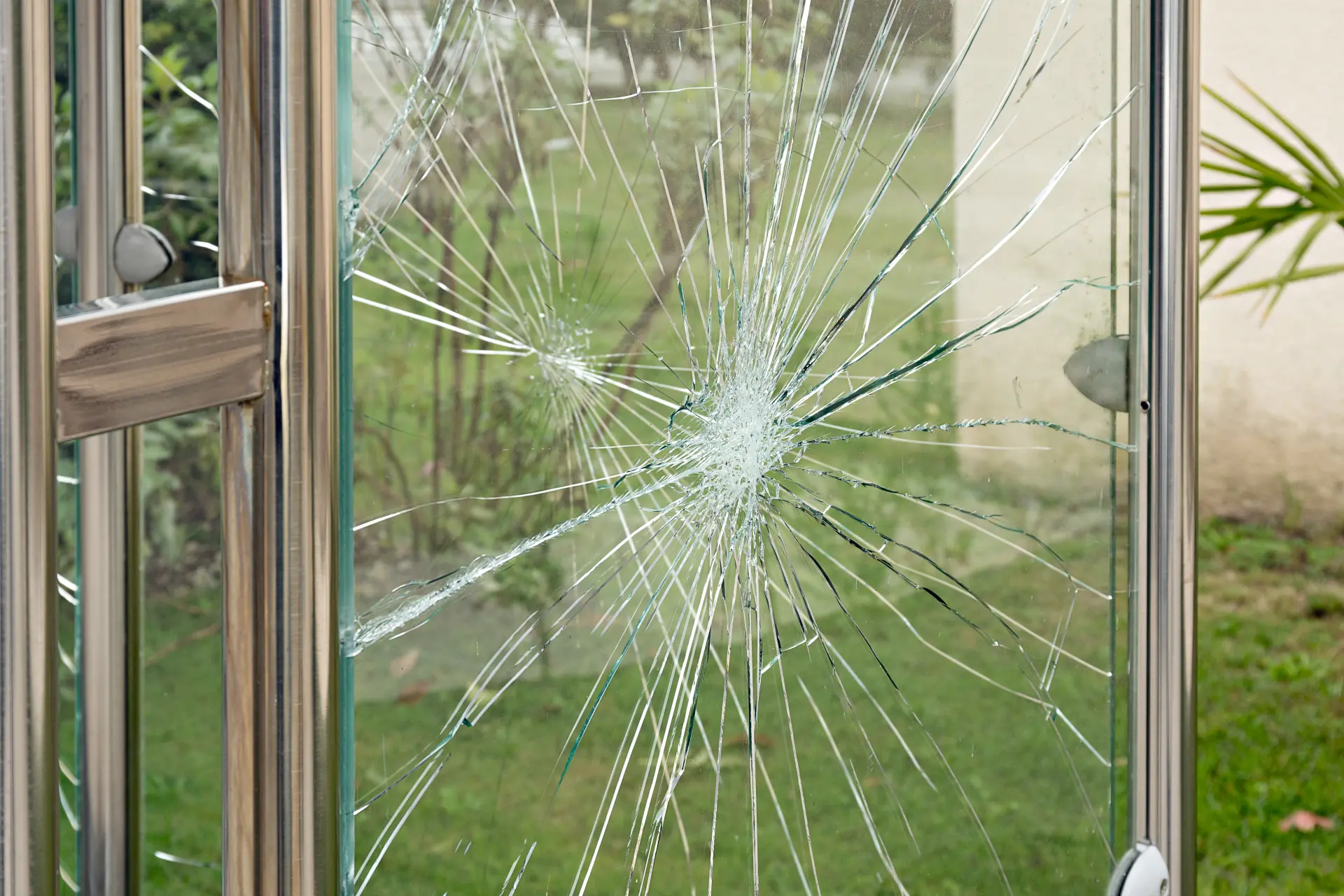
Call an emergency glazier when broken or unstable glass creates an immediate safety or security problem. A shattered ground-floor pane, a damaged glazed door or a large crack spreading across an exposed window can place occupants and passers-by at risk. Prompt action is especially important when the opening can be reached from outside or cannot be isolated safely from people inside.
Weather exposure can also make a call-out urgent. Wind may loosen remaining fragments, while rain can damage floors, stock, furnishings and electrical equipment near the opening. If the property cannot be made weather-resistant with a simple measure taken from a safe position, professional boarding can limit further loss until permanent glazing is available.
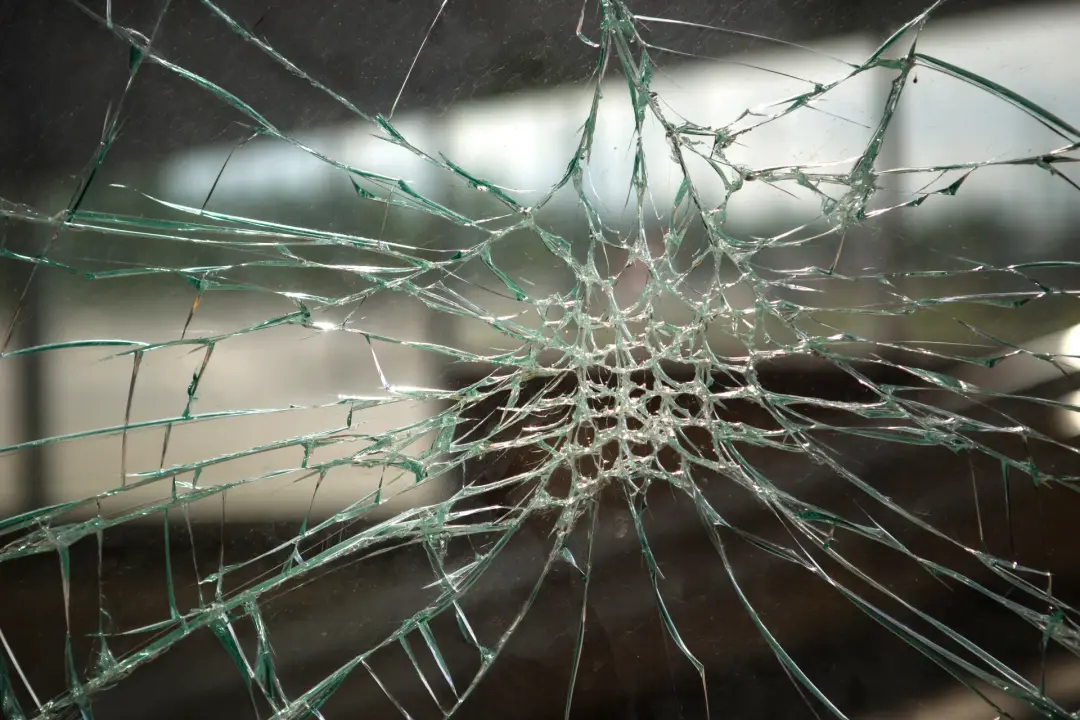
Some damage appears stable but should still be assessed quickly. An impact can weaken a pane without dislodging it, and a cracked unit may fail when the door moves or the temperature changes. Avoid pressing, taping or attempting to remove uncertain glass, particularly overhead panes, door panels and large shopfront sections.
Not every fault needs an out-of-hours response. Internal condensation, a misted sealed unit or a stiff window may require repair but may not present an immediate hazard. Describing the symptoms clearly during the call allows the glazier to judge the priority and advise whether the area should be isolated while a planned visit is arranged.
What Happens During the Initial Phone Call
The first conversation is used to establish what has happened and whether anyone remains at risk. Be ready to give the property address, a contact number and a simple account of the damage. State whether the glass is cracked, shattered or missing, and mention loose pieces, exposed edges or debris in an area used by children, customers, staff or pets.
The glazier will usually need to know the type and position of the opening. A photo taken from a safe distance can help distinguish a domestic window, glazed door, shopfront or roof-level pane. Approximate width and height are useful, but nobody should climb, lean across broken glass or remove covers simply to obtain a measurement during the call.
Access and security details help the responder prepare. Explain whether the damaged area is inside a locked building, above ground level, obstructed by furniture or facing a busy pavement. Parking restrictions, entry codes and the presence of an alarm may affect how the glazier reaches and works at the opening.
Before ending the call, confirm the expected attendance arrangement and the immediate precautions to take. This is also the time to ask how call-out charges are structured and which payment methods are accepted. An estimate given before inspection may remain provisional because the full glass specification and frame condition cannot always be identified remotely.
How Emergency Response Times Are Determined
A 24-hour service means calls can be received outside normal working hours; it does not guarantee the same arrival time for every incident. Distance, traffic, weather and the number of active emergencies all affect attendance. A clear description helps the glazier prioritise situations involving unsafe glass, unsecured premises or significant exposure to the elements.
The location of the responder and the materials required also influence timing. Standard boarding sheets and fixings may be carried in a vehicle, while specialist access equipment or more than one operative may need to be arranged for large or high-level glazing. Providing photographs early can prevent an avoidable return journey for equipment that could have been identified in advance.
Police, fire or building-management restrictions can change when work starts even after the glazier arrives. A cordon, active investigation or unsafe structure may prevent immediate access to the frame. In those cases, the glazing team must wait for the responsible authority to release the area rather than entering a space that has not been declared safe.
Ask for updates if circumstances change while help is on the way. New cracking, water ingress or loss of access may alter the plan. Keep the nominated contact available by phone and make sure someone authorised to approve the work can attend, particularly at a rented or commercial property.
Making the Area Safe Before Help Arrives
Keep people and animals away from the damaged opening. Close an internal door if this can be done without approaching loose glass, or use furniture and clear verbal warnings to create distance. In a workplace or shop, redirect foot traffic and prevent staff or customers from using a damaged glazed door.
Do not pull shards from the frame or sweep directly beneath glass that is still hanging above. Disturbing one fragment can release others without warning. Wear sturdy footwear if you must move through a nearby area, and leave fine fragments for a controlled clean-up unless they can be reached without entering the fall zone.
If weather is entering, move vulnerable belongings from the room only when the route is safe. Switch off and isolate electrical items that have become wet if this can be done without contact with water or damaged wiring. Avoid attaching plastic sheets to unstable glass because wind loading on the covering may pull more material from the frame.
Preserve evidence when the breakage may relate to crime or an insurance claim. Take photographs from safe positions and avoid unnecessary handling of the frame or surrounding surfaces. Follow any instructions from the police or insurer, but do not delay essential steps needed to protect people from immediate harm.
How the Glazier Assesses the Damage
On arrival, the glazier will first examine the immediate hazards. This includes loose fragments, unstable panes, sharp edges and debris extending beyond the visible opening. The working area may need to be isolated with a clear safety boundary before measurements are taken or the remaining glass is removed.
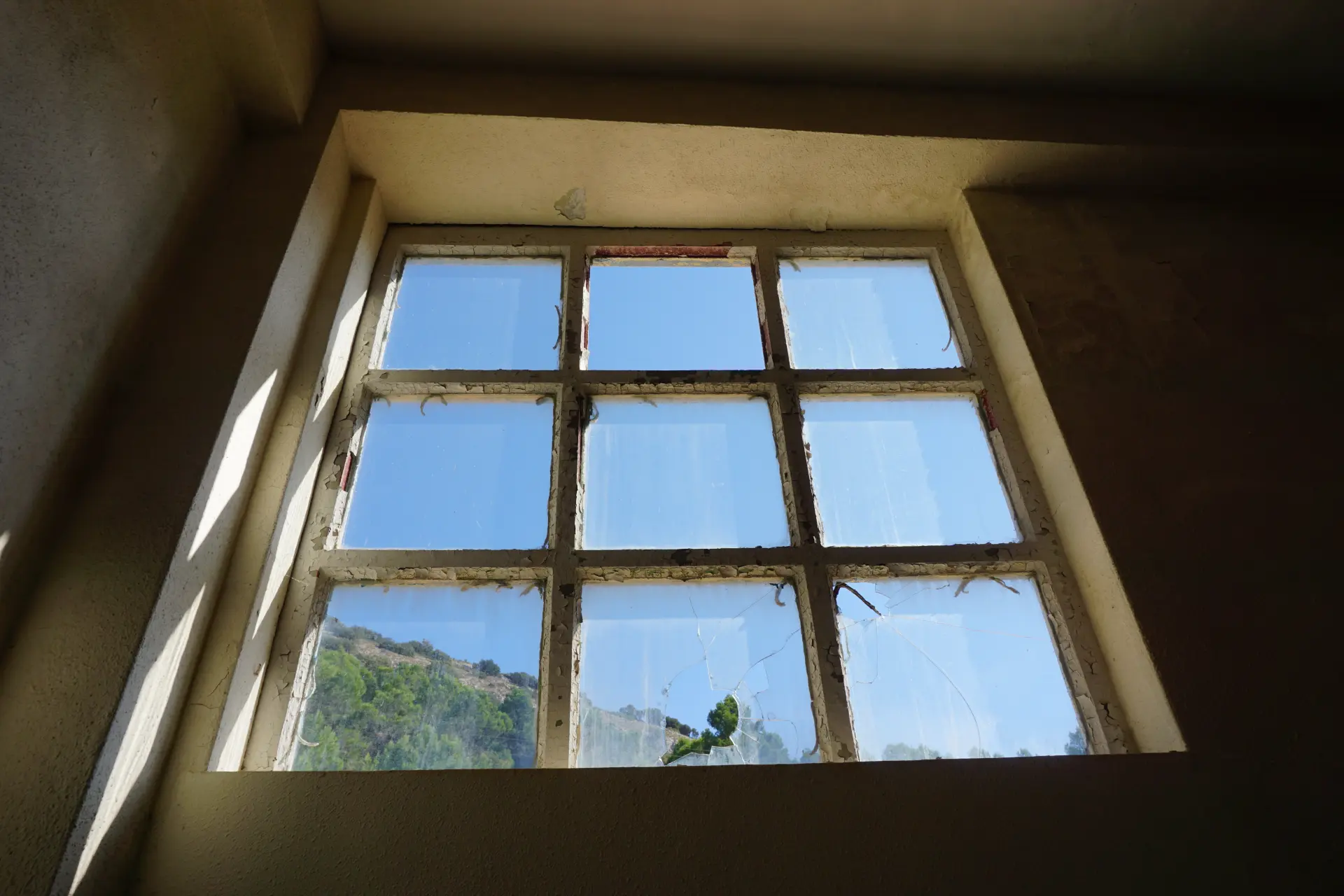
The frame is then checked to see whether it can hold a temporary board or replacement pane. Impact can bend aluminium, split timber, distort uPVC or damage beads and gaskets. A glass-only repair is unlikely to remain secure if the surrounding structure no longer provides firm and even support.
The assessment also identifies the original glazing type. Pane thickness, sealed-unit depth, safety markings, coatings, patterns and decorative features can affect the replacement. In double glazing, the glazier will measure the complete unit and visible area while allowing for the portion concealed within the frame.
Finally, the glazier considers access and the safest repair sequence. Large panes, upper-storey windows and glass above public areas may require additional people or equipment. The proposed plan should explain what can be achieved during the current visit, what materials must be ordered and how the property will be left secure in the meantime.
Emergency Boarding or Immediate Replacement
Immediate replacement may be possible when the opening uses a readily available glass type, the frame is undamaged and safe access is straightforward. Even then, the pane must be the correct size, thickness and safety classification. Installing an approximate piece simply to avoid boarding can create a poor seal or introduce a new hazard.
Boarding is used when a permanent unit cannot be supplied safely during the first visit. Bespoke double-glazed units, processed safety glass, patterned panes and unusual sizes generally need to be manufactured after accurate measurement. Boarding closes the opening while allowing time for the correct product to be made.
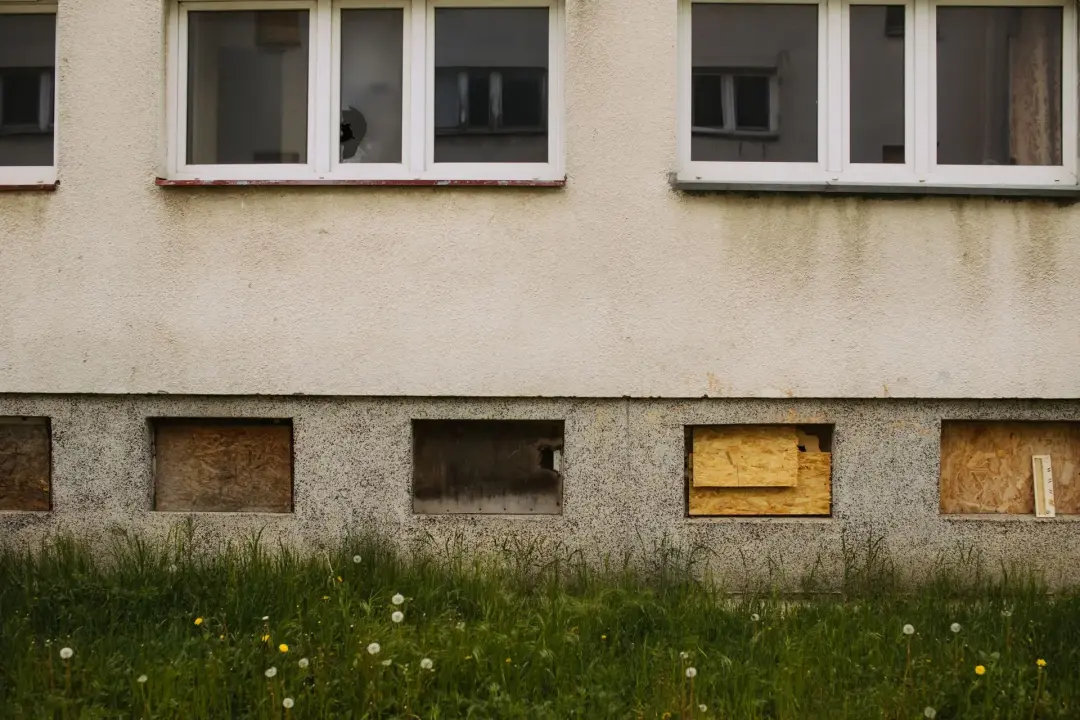
A suitable board should resist casual access and expected weather without causing unnecessary damage to the frame or surrounding finish. The fixing method will depend on whether the opening is timber, masonry, metal or uPVC and whether it must later accept a measured unit. The aim is secure temporary protection, not a cosmetic imitation of a finished window.
The glazier should explain the reason for the chosen approach. If boarding is recommended, ask how it will be fixed, whether the room can be used and what will happen next. If replacement is offered immediately, confirm that the new pane meets the needs of the location rather than serving as a temporary material presented as a permanent repair.
What Can Be Completed on the First Visit
The first visit should at least leave the immediate area safer than it was on arrival. Loose glass can be removed in a controlled way, exposed edges can be dealt with and the main debris can be collected. The extent of clean-up will depend on access and surface conditions because tiny fragments can remain hidden in carpets, joints and outdoor ground coverings.
A standard single pane may sometimes be cut and fitted during the call-out if the correct glass is carried and the opening permits on-site preparation. Doors, low-level panes and other safety-critical locations may require factory-processed glass instead. The glazier should not substitute ordinary glass where the position calls for a safety product.
When permanent glazing is unavailable, secure boarding can normally be measured and fitted during the attendance. The glazier may also record the dimensions and construction needed for the replacement unit. Clear photographs and notes taken at this stage reduce the risk of ordering the wrong pattern, coating or spacer detail.
Frame repair may be limited during an emergency visit. Minor preparation might be completed, but distorted profiles, rotten timber or damaged hardware can require separate materials and more time. The property owner should receive a clear account of outstanding work so a temporary board is not mistaken for the end of the repair.
Preparing for Glass Measurement and Replacement
Make the area around the window accessible before the follow-up appointment. Move fragile items, curtains and furniture where practical, and arrange access to both sides of the opening if required. Tell the installer in advance about restricted parking, locked communal areas, pets or business hours that could affect the work.
Measurements should normally be taken by the company responsible for fitting the glass. The required manufacturing size includes allowances that are not visible from a simple tape measurement across the opening. The glazier also needs to confirm unit thickness, edge cover, squareness and the depth available behind the beads.
Use the ordering stage to approve appearance as well as technical performance. Pattern direction, tint, decorative bars and spacer colour should be recorded, particularly when the new unit sits beside existing panes. Exact visual matching may be difficult with older glass, so any likely difference should be discussed before manufacture.
On installation day, keep the working area clear until the new pane has been fitted and checked. The glazier should confirm that opening sashes move freely, beads and gaskets are seated, and the surrounding area has been cleared of significant debris. Any care instructions for sealants or painted timber should be followed before cleaning or operating the window heavily.
Understanding Emergency Glazing Costs
Emergency glazing costs usually contain more than the price of the glass. Out-of-hours attendance, travel, labour, safe removal, boarding materials, access equipment and disposal may all contribute. A later manufactured unit and return visit can be charged separately from the work needed to secure the property initially.
Pane size and specification have a direct effect on the final figure. Laminated, toughened, coated, patterned and insulated units involve different materials and production processes. Large or heavy panes may require additional installers or lifting equipment, while difficult access can extend the time needed to complete the job safely.

Ask what the quoted amount covers before authorising work. A useful breakdown distinguishes the call-out, temporary boarding, permanent glass, frame repairs and any follow-up fitting charge. If the full condition cannot be seen until loose glass is removed, the glazier should explain which parts remain provisional and seek approval before expanding the scope.
Keep invoices, photographs and a description of the incident if an insurance claim may be made. Policy terms differ, and the insurer may require prompt notification or particular evidence. Emergency work should still be authorised by a person entitled to approve it, because the possibility of reimbursement does not remove responsibility for the contractor's invoice.
What Happens After the Emergency Call Out
Before the glazier leaves, inspect the secured opening from a safe position and ask for an explanation of the work completed. Confirm whether the board or repair is temporary, what limitations apply and whether the room can be used normally. Report any remaining draught, movement or exposed edge immediately so it can be assessed before the visit ends.
If new glass must be made, obtain the proposed specification and the next step in writing. The order should identify the pane or sealed unit, safety treatment, coating and visible finish where relevant. Manufacturing and fitting time can vary with the product, so rely on the agreed update process rather than assuming a standard interval.
Monitor temporary boarding until the permanent repair is completed. Contact the glazier if fixings loosen, water enters or the surrounding frame changes shape. Do not drill, paint, remove or load the board without advice because alterations may reduce its security or damage the frame needed for the final installation.
After replacement, check the complete window rather than the glass alone. Opening lights should operate smoothly, locks should engage and seals should make even contact. Keep the paperwork for the work and address any wider frame, drainage or security defects identified during the emergency assessment so the same opening is not left vulnerable.
John’s Glass and Glazing provides professional glass replacement and emergency glazing services for homes and businesses. From selecting suitable glass for uPVC, timber and aluminium frames to securing damaged windows during an urgent call-out, we provide practical solutions tailored to each property. Our services help restore safety, security, weather protection, insulation and everyday comfort.